


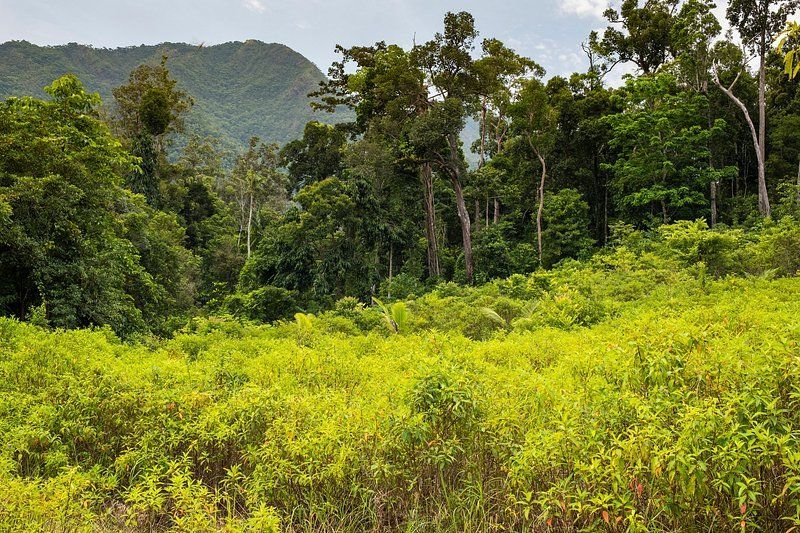
June 29 – Tropics Day: The world’s tropical regions are often described as the planet’s ecological heartbeat, supporting an extraordinary diversity of life while providing food, clean water, climate regulation, and livelihoods for billions of people. Yet these same landscapes are disappearing faster than almost any other ecosystems on Earth, raising concerns among scientists, conservationists, and policymakers.
As Tropics Day is observed, global attention is turning toward the growing environmental challenges facing tropical forests, wetlands, coral reefs, mangroves, and rainforests. These ecosystems are increasingly threatened by large-scale deforestation, accelerating climate change, expanding urban development, pollution, and unsustainable use of natural resources.
Why the Tropics Matter
Stretching across regions surrounding the Equator, the tropics encompass parts of South America, Africa, Asia, Oceania, and Central America. Although they occupy less than half of Earth’s surface, these regions support most of the planet’s biodiversity.
Tropical forests alone shelter millions of plant and animal species, many of which exist nowhere else on Earth. They also play a critical role in absorbing carbon dioxide, producing oxygen, regulating rainfall, and maintaining global weather systems.
The tropics are equally important for humanity. More than three billion people depend directly or indirectly on tropical ecosystems for agriculture, fisheries, medicine, clean drinking water, energy, and employment.
Deforestation Continues to Transform Landscapes
One of the greatest threats facing tropical ecosystems is deforestation. Forests are being cleared for agriculture, cattle ranching, mining, logging, road construction, and expanding cities. While development provides economic opportunities, poorly managed land conversion often results in permanent habitat destruction.
As forests disappear, wildlife populations decline, soil fertility weakens, rivers become polluted, and the natural ability of ecosystems to store carbon is significantly reduced. This creates a cycle in which environmental degradation contributes to further climate instability.
Climate Change Is Intensifying the Crisis
The climate crisis is amplifying existing environmental pressures across tropical regions. Rising global temperatures have increased the frequency of heatwaves, droughts, floods, and powerful storms.
Coral reefs are suffering repeated bleaching events as ocean temperatures rise. Mangrove forests face coastal erosion and sea-level rise, while prolonged dry seasons make tropical forests more vulnerable to devastating wildfires.
Scientists warn that if these ecosystems reach critical tipping points, their ability to regulate the global climate could decline dramatically.
Urbanization Brings New Challenges
Rapid population growth has accelerated urban expansion throughout many tropical countries. New housing developments, transportation networks, and industrial projects often replace forests, wetlands, and natural habitats.
Without sustainable planning, urbanization can fragment ecosystems, increase pollution, reduce biodiversity, and place additional pressure on freshwater resources. Green infrastructure and environmentally responsible city planning are becoming increasingly important to balance development with conservation.
Biodiversity at Risk
The tropics are home to countless species of birds, mammals, reptiles, amphibians, insects, and plants. Many remain undiscovered, while others are already facing extinction due to habitat loss.
Every disappearing ecosystem represents not only the loss of wildlife but also the loss of genetic diversity that could contribute to future medical discoveries, agricultural innovation, and scientific research.
Protecting biodiversity is essential for maintaining healthy ecosystems capable of adapting to changing environmental conditions.
Indigenous Communities and Traditional Knowledge
Many Indigenous Peoples and local communities have lived sustainably within tropical environments for generations. Their traditional knowledge has helped preserve forests, rivers, and wildlife while maintaining cultural identities deeply connected to nature.
Conservation experts increasingly recognize that supporting Indigenous land rights and community-led environmental management is among the most effective ways to protect tropical ecosystems.
Small Actions Can Create Global Impact
Protecting the tropics requires action at every level—from governments implementing stronger environmental policies to businesses adopting sustainable supply chains and individuals making environmentally responsible choices.
People can contribute by reducing waste, supporting sustainably sourced products, planting native trees, conserving energy, minimizing plastic pollution, and encouraging responsible tourism. Public awareness campaigns also play an important role in inspiring collective action.
Investing in Nature Is Investing in the Future
Healthy tropical ecosystems strengthen food security, improve water availability, reduce disaster risks, support economic development, and help stabilize the global climate. Investments in conservation, ecosystem restoration, and sustainable development offer long-term benefits that extend far beyond national borders.
Environmental experts emphasize that protecting nature should be viewed not as a cost but as an investment in humanity’s future resilience.
Looking Ahead
The challenges facing the tropics are significant, but they are not irreversible. Scientific research, innovative conservation methods, international cooperation, and community participation continue to demonstrate that ecosystem restoration is possible when supported by long-term commitment.
As the world marks Tropics Day, the message is clear: safeguarding tropical ecosystems is essential for protecting biodiversity, combating climate change, strengthening economies, and ensuring a healthier planet for future generations. Every forest preserved, every wetland restored, and every sustainable decision made today contributes to securing one of Earth’s most valuable natural assets for tomorrow.