


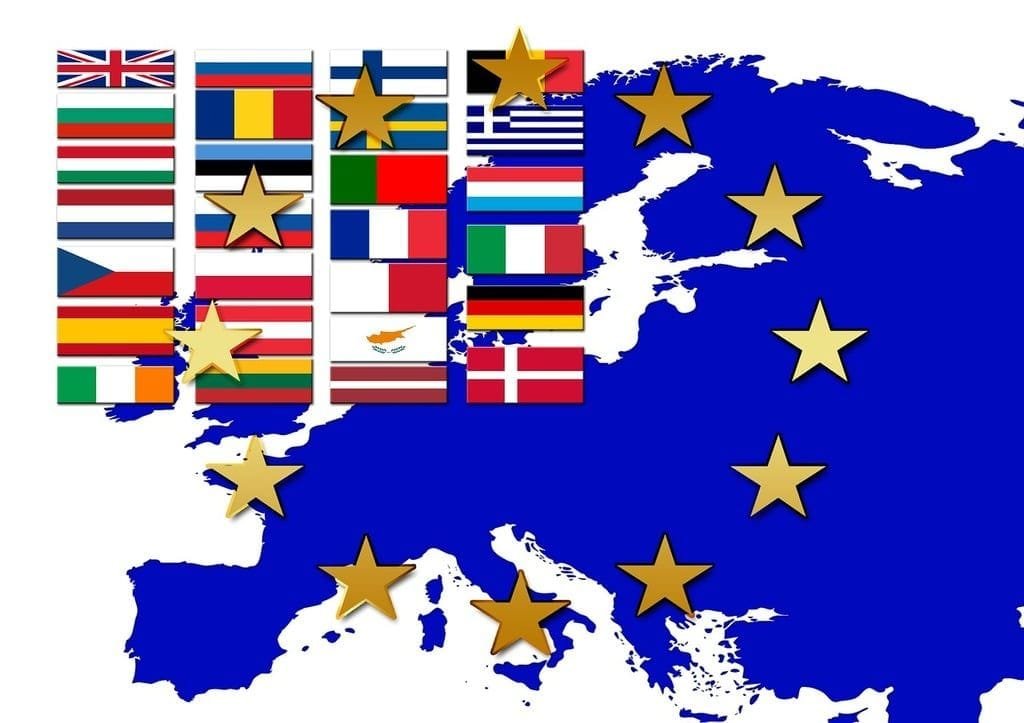
As the CY2026EU Presidency officially comes to an end, European leaders are reflecting on a period marked by intensified cooperation, policy coordination, and efforts to strengthen the European Union’s global position.
The outgoing presidency, led by Cyprus under President Nikos Christodoulides, has been acknowledged across EU institutions for its focus on delivering practical outcomes in a complex geopolitical and economic environment.
🇪🇺 A Presidency Focused on Results
The rotating presidency of the Council of the European Union plays a central role in setting priorities, coordinating negotiations, and building consensus among member states.
During the CY2026EU term, the presidency concentrated on three core priorities:
- Strengthening European security and defense coordination
- Supporting economic resilience and long-term competitiveness
- Advancing social and energy policy alignment across member states
These goals reflected the EU’s broader challenge of balancing internal reform with external pressures, including global economic uncertainty and ongoing geopolitical tensions.
🔐 Security and Stability at the Center
One of the defining themes of the presidency was a renewed emphasis on European security.
Member states worked more closely on:
- Defense cooperation frameworks
- Border management and migration coordination
- Cybersecurity preparedness
- Strategic autonomy discussions
The presidency helped keep these issues at the forefront of EU decision-making, reinforcing the idea that security in Europe is increasingly interconnected across all member states.
📈 Economic Strength and Competitiveness
Economic resilience was another major focus, with efforts aimed at improving the EU’s ability to compete globally.
Key discussions included:
- Industrial policy modernization
- Support for innovation and digital transformation
- Energy affordability and supply stability
- Investment in green technologies
These initiatives were designed to strengthen the EU’s long-term growth while supporting households and businesses facing ongoing cost pressures.
🌱 Energy and Sustainability Progress
Energy policy remained a central pillar throughout the six months.
The presidency supported continued progress in:
- Renewable energy expansion
- Energy market integration
- Reduction of dependence on external fossil fuel sources
- Cross-border energy infrastructure planning
These efforts align with the EU’s broader climate neutrality targets and its commitment to long-term sustainability.
🤝 A Message of Appreciation and Cooperation
In his closing remarks, President Nikos Christodoulides expressed gratitude for the collective work achieved during the term, highlighting the importance of unity and shared responsibility among EU member states.
The message emphasized that meaningful progress is only possible when institutions and countries work together with a common purpose.
The informal acknowledgment—“Ευχαριστώ” (Thank you)—symbolized both appreciation and the spirit of European cooperation that underpinned the presidency.
🇪🇺 Looking Ahead
As one presidency concludes, the EU’s rotating system ensures continuity as the next member state takes over leadership responsibilities.
The achievements of the CY2026EU Presidency are expected to feed into ongoing discussions on:
- EU enlargement and neighborhood policy
- Defense and strategic autonomy
- Economic competitiveness in a changing global order
- Climate and energy transformation
While challenges remain, the six-month period has reinforced the EU’s capacity to adapt and act collectively in a rapidly changing world.
✨ Conclusion
The end of the CY2026EU Presidency marks not just a transition of leadership, but a continuation of Europe’s broader effort to strengthen unity, security, and prosperity.
With coordinated action and sustained political will, the foundations laid over the past six months are expected to support the EU’s long-term strategic goals in the years ahead.