


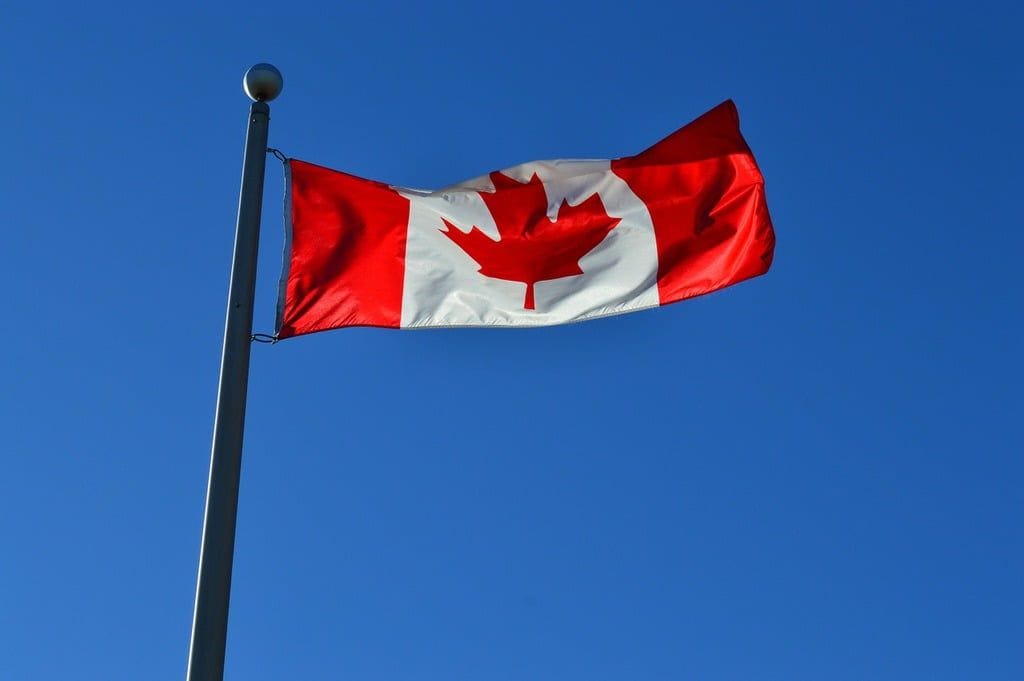
1 July 1867 marks one of the most significant milestones in North American history. On this day, the Dominion of Canada was officially created through Confederation, bringing together several British colonies under a single federal government. The event laid the foundation for the modern nation of Canada and is celebrated every year as Canada Day.
Canadian Confederation
Canada
The Need for Confederation
During the mid-19th century, British North American colonies faced several challenges. Political disagreements, economic concerns, and security issues made many leaders believe that closer cooperation was essential.
Among the key reasons for Confederation were:
- Improving political stability through a unified government.
- Promoting economic growth by creating a larger internal market.
- Strengthening defense amid changing international circumstances.
- Building transportation links between the colonies.
These goals encouraged colonial leaders to work toward forming a single nation.
The Formation of the Dominion
On 1 July 1867, the British North America Act came into effect, officially creating the Dominion of Canada. The four founding provinces were:
- Ontario
- Quebec
- Nova Scotia
- New Brunswick
The new federal system allowed the national government and provincial governments to share responsibilities, creating a structure that continues to guide Canada today.
The First Government
John A. Macdonald became Canada’s first Prime Minister and played a leading role in shaping the new nation.
Under his leadership, the government focused on expanding transportation, strengthening national institutions, and encouraging additional provinces and territories to join the Confederation.
Expansion of the Country
Following Confederation, Canada continued to grow. Over the following decades, additional provinces and territories became part of the federation, gradually extending the country from the Atlantic Ocean to the Pacific and eventually to the Arctic.
This peaceful expansion helped establish Canada as one of the world’s largest countries by land area.
Canada Day
Every year on 1 July, Canadians celebrate Canada Day with national ceremonies, concerts, fireworks, cultural events, and community gatherings. The occasion honors the country’s history, democratic institutions, cultural diversity, and achievements while reflecting on its continuing journey as a modern nation.
Conclusion
The Confederation of 1867 transformed a collection of British colonies into a unified federal nation. It established the political and constitutional framework that has guided Canada for more than a century and a half. Today, the anniversary of Confederation remains a symbol of unity, democratic governance, and national identity for Canadians around the world.