


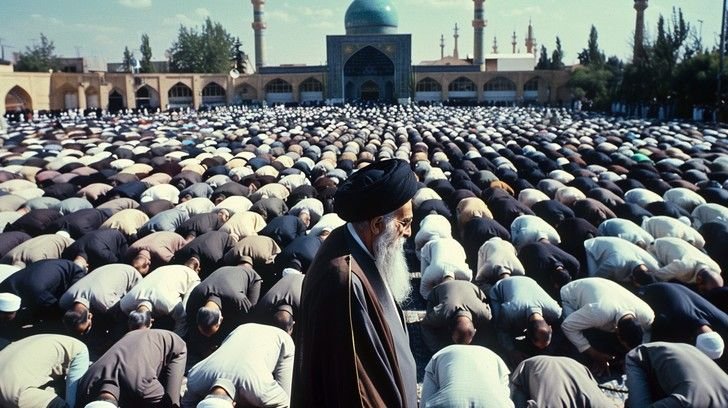
The global demographic landscape is changing rapidly, and one of the most discussed topics in population studies is the projected growth of the Muslim population by the year 2050. These projections are based on fertility rates, age structure, migration patterns, and regional demographic trends.
This article presents a clear, original, and analytical overview of how the Muslim population percentage is expected to evolve globally by 2050.
🌍 Global Muslim Population Growth Outlook
According to widely referenced demographic research trends, the global Muslim population is expected to grow significantly over the coming decades.
- In the early 21st century, Muslims make up roughly 24% of the world population.
- By 2050, this share is projected to rise to approximately 29% to 30% of the global population.
This increase is mainly driven by:
- Higher average fertility rates in Muslim-majority regions
- Younger population structure (median age lower than global average)
- Gradual population stabilization in other religious groups
📊 Projected Muslim Population Share by Region (2050)
1. Middle East & North Africa (MENA)
- Already majority Muslim region
- Expected to remain nearly 95%+ Muslim population
- Growth will be moderate but stable
2. South Asia
- Includes India, Pakistan, Bangladesh, Afghanistan
- Major driver of global Muslim population growth
- Expected Muslim share in the region: 30%–35%+ overall population mix depending on country
3. Sub-Saharan Africa
- One of the fastest-growing Muslim population regions
- Expected Muslim share: 30%–35% of regional population
4. Europe
- Muslim population currently around 5–6%
- Projected to rise to 7%–10% by 2050, depending on migration trends
5. North America
- Expected to grow from ~1% today to around 2.5%–3.5% by 2050
6. Asia-Pacific
- Home to the largest Muslim population globally (Indonesia, Pakistan, India, Bangladesh)
- Expected to continue holding the majority share of global Muslims
📈 Key Factors Behind Population Increase
1. Fertility Rate Differences
Muslim-majority regions historically show higher fertility rates compared to global averages. Even a small difference over decades leads to major demographic shifts.
2. Youthful Population Structure
A larger proportion of young people leads to:
- Higher birth potential
- Slower aging compared to other populations
3. Declining Fertility in Other Regions
Many non-Muslim-majority countries are experiencing:
- Low birth rates
- Aging populations
- Population stagnation or decline
4. Migration Patterns
Migration also influences regional distribution, especially in:
- Europe
- North America
⚖️ Important Analytical Perspective
It is important to understand that demographic projections:
- Are estimates, not certainties
- Can change due to economic, political, or environmental shifts
- Depend heavily on future policy, education, and development trends
Therefore, numbers such as “30% by 2050” represent statistical modeling, not fixed outcomes.
🌐 Global Impact of Demographic Shift
If current trends continue, by 2050:
- Muslim population will form a larger share of global youth
- Increased cultural diversity in Western nations
- Greater representation in global workforce
- Expansion of Muslim-majority economies in Asia and Africa
🧠 Conclusion
The Muslim population is projected to grow steadily and may reach nearly one-third of the world population by 2050. This shift is driven primarily by demographic structure, fertility differences, and regional growth patterns rather than sudden changes.
Understanding these projections helps policymakers, researchers, and global institutions prepare for future economic, social, and cultural transformations.
- 📊 Country-wise Muslim population chart till 2050
- 🗺️ Region-wise comparison infographic article
- 📰 Top 10 demographic trends shaping 2050 world
- 🔥 SEO-optimized news version for your website (HitAndHotNews style)