


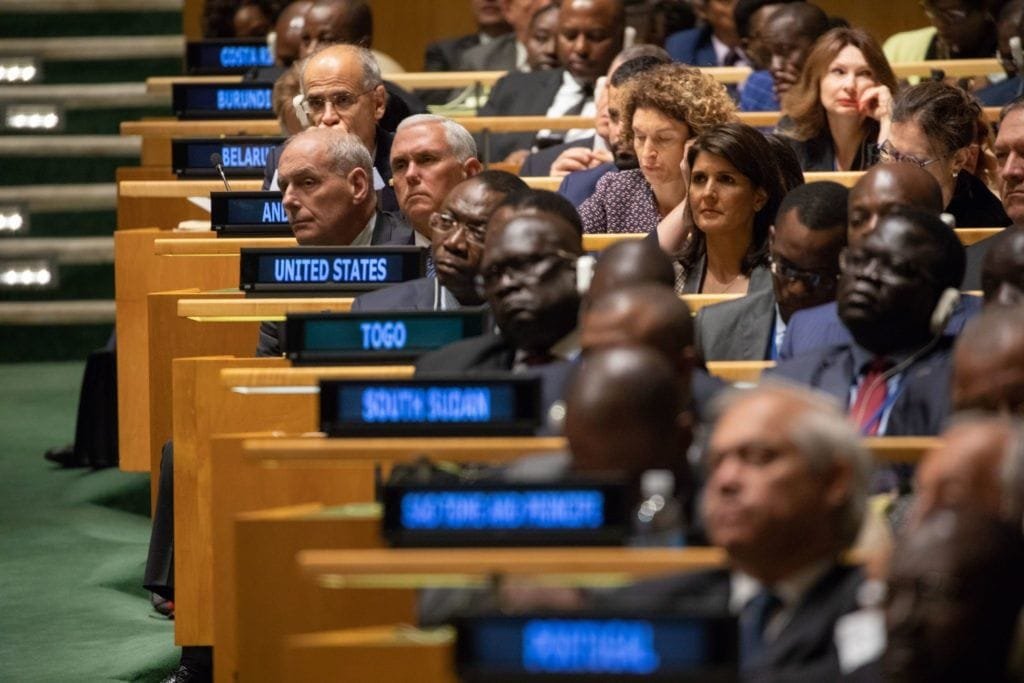
Concerns over cultural freedoms in Belarus have once again been highlighted at the international level, as the United Nations Human Rights Council received a briefing warning that participation in cultural life in the country is being significantly restricted.
The UN Special Rapporteur on the situation of human rights in Belarus stated that access to cultural expression is not only limited but also affected by what he described as repeated patterns of discrimination. According to the briefing presented at the session of the United Nations Human Rights Council, such restrictions appear to be influenced by both political views and linguistic identity.
The rapporteur, Nils Muižnieks, emphasized that cultural participation—often considered a basic human right under international law—has become increasingly conditional in Belarus. He indicated that individuals and groups may face obstacles when engaging in cultural activities if their political stance or choice of language does not align with dominant state expectations.
Concerns Over Cultural and Linguistic Exclusion
The report presented to the council suggests that cultural expression in Belarus is not uniformly accessible. Instead, it is shaped by a climate where certain voices may be marginalized. This includes concerns about the use of language in public life, artistic expression, and participation in cultural institutions.
Observers note that cultural rights are closely linked to broader civil and political freedoms. Limitations in this area often reflect wider restrictions on expression and association.
International Attention and Ongoing Debate
The discussion at the UN body reflects continued international attention on human rights conditions in Belarus, particularly following political tensions in recent years. The Human Rights Council has repeatedly examined allegations related to freedom of expression, assembly, and cultural participation in the country.
While Belarusian authorities have in the past rejected some international criticisms, arguing that domestic policies are aimed at maintaining stability, human rights monitors continue to raise concerns about the space available for independent cultural and civic life.
Broader Human Rights Context
Cultural rights are protected under international human rights frameworks, which emphasize the importance of equal participation in cultural life without discrimination. Restrictions based on political opinion or language are considered incompatible with these standards by many international legal experts.
The latest remarks add to an ongoing global debate about how cultural identity, political control, and human rights intersect in contemporary governance systems.
As discussions continue within the UN framework, the situation in Belarus remains under close observation by international human rights institutions and advocacy groups.