


July 10, 2026
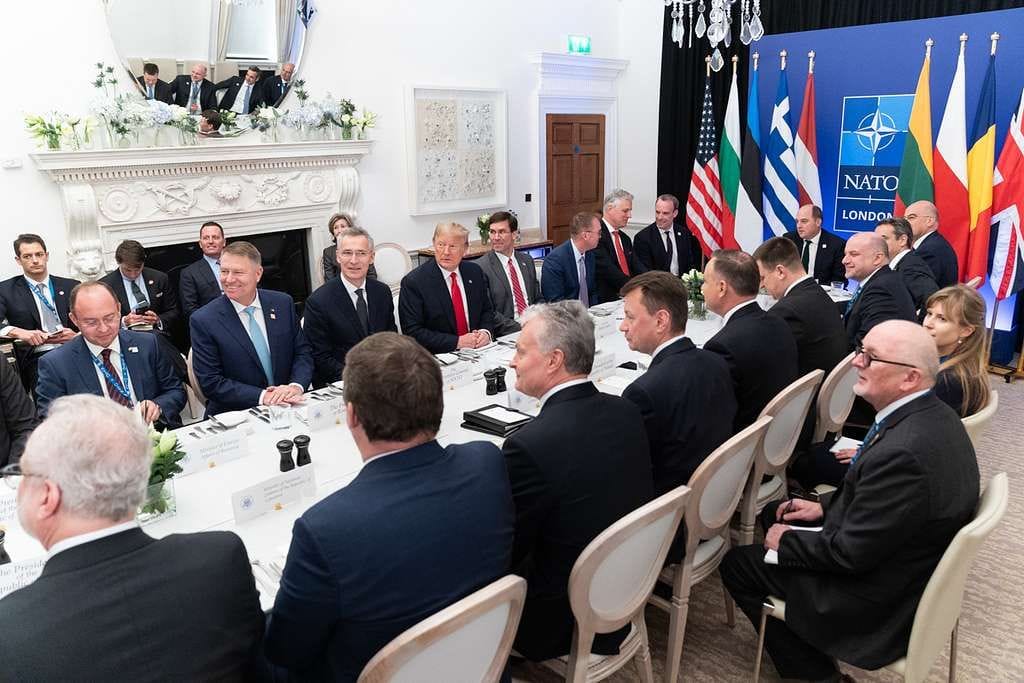
Member nations of the North Atlantic Treaty Organization (NATO) have reaffirmed their commitment to strengthening collective defence and enhancing regional security cooperation as global security challenges continue to evolve. Senior officials from allied countries met to discuss defence preparedness, military coordination, and long-term strategic priorities.
The discussions focused on improving the alliance’s ability to respond to emerging threats, including cyberattacks, hybrid warfare, terrorism, and regional instability. NATO leaders emphasized that close cooperation among member states remains essential for maintaining peace and security across the Euro-Atlantic region.
Another key topic was the modernization of defence capabilities. Several member nations outlined plans to increase investment in advanced military technology, intelligence sharing, air defence systems, and joint training exercises. Officials said these efforts are intended to strengthen the alliance’s readiness and improve coordination during potential crises.
Support for partner nations facing security challenges also featured prominently during the discussions. NATO representatives stressed the importance of continued diplomatic engagement alongside defence cooperation, noting that military preparedness and political dialogue should work together to promote long-term stability.
The alliance also reviewed progress on expanding cooperation in areas such as cybersecurity, space security, and protection of critical infrastructure. Experts highlighted that modern security threats increasingly extend beyond traditional battlefields, requiring coordinated international responses.
World leaders participating in the consultations reiterated their commitment to international law and peaceful conflict resolution. While emphasizing the need for strong defence capabilities, they also called for continued diplomatic efforts to reduce tensions and prevent conflicts from escalating.
As the global security environment continues to change, NATO members pledged to maintain close coordination and strengthen partnerships with allied countries. Analysts believe the outcomes of these discussions will play an important role in shaping the alliance’s future defence strategy and its response to emerging international security challenges.