


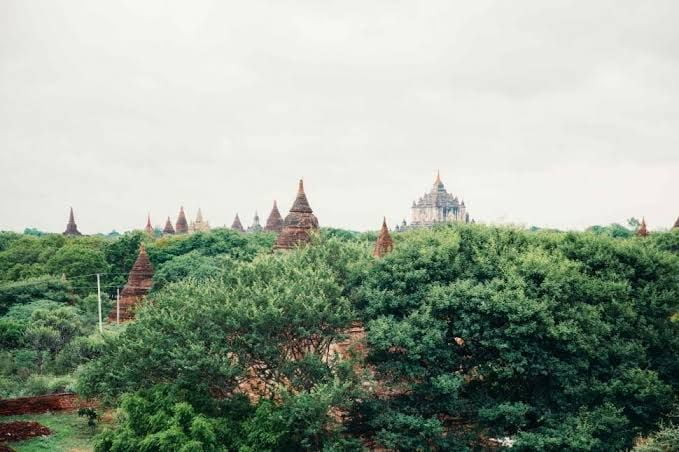
1. Historical Context
Bagan, once the capital of the mighty Pagan Kingdom, flourished from the 9th to the 13th century. During its golden age, thousands of temples were constructed as a testament to both religious devotion and architectural prowess. Here’s why Bagan is so special:
- Pagan Kingdom: Bagan’s 250-year rule over the Irrawaddy valley laid the foundation for Burmese language, culture, and the growth of Theravada Buddhism in Southeast Asia .
- Architectural Marvels: The temples of Bagan represent the pinnacle of Myanmar’s artistic achievements during this era. They showcase intricate carvings, graceful spires, and timeless beauty.
- Spiritual Significance: Bagan’s temples served as centers of worship, meditation, and enlightenment. Each structure embodies devotion, echoing the spiritual quest of countless pilgrims.
2. The Temple Landscape
- Over 2,000 Temples: Situated on the banks of the legendary Irrawaddy River, Bagan boasts over 2,000 magnificent temples and pagodas. These awe-inspiring structures were built between the 11th and 13th centuries, reflecting the height of the Pagan Kingdom’s influence .
- Architectural Diversity: From the grand Ananda Temple to the serene Shwezigon Pagoda, Bagan’s temples vary in size, shape, and style. Some are massive, while others are intimate sanctuaries tucked amidst lush greenery.
- Sunrise and Sunset: Witnessing sunrise or sunset from a temple’s terrace is a magical experience. The sun bathes the ancient stupas in golden hues, creating an ethereal atmosphere.
3. Cultural Legacy
- Theravada Buddhism: Bagan adopted Theravada Buddhism, shaping Burmese culture profoundly. Monks, scholars, and artisans contributed to the flourishing of Buddhist art and literature .
- Inscriptions and Clues: Pagoda builders inscribed details—names, titles, and land information—on temple walls. These inscriptions provide valuable clues about Bagan society and its people.
- Cultural Exchange: Bagan’s influence extended beyond its borders. Maritime intercourse with the Mon people spread advanced Indian cultures, introducing Buddhism and scriptures .
4. Challenges and Conservation
- Dynastic Decline: By the 13th century, dynastic dynamics waned. Excessive pagoda construction weakened the kingdom, and war with the Yuan dynasty dealt a decisive blow .
- Modern Preservation: Today, Bagan remains a UNESCO World Heritage site. Efforts continue to conserve these ancient treasures, balancing tourism with preservation.
Bagan stands as a testament to human creativity, spirituality, and endurance. Its temples touch the sky, bridging the past and present—a sacred landscape that continues to inspire awe and reverence.