


By: Science & Environment Desk | Date: June 18, 2025
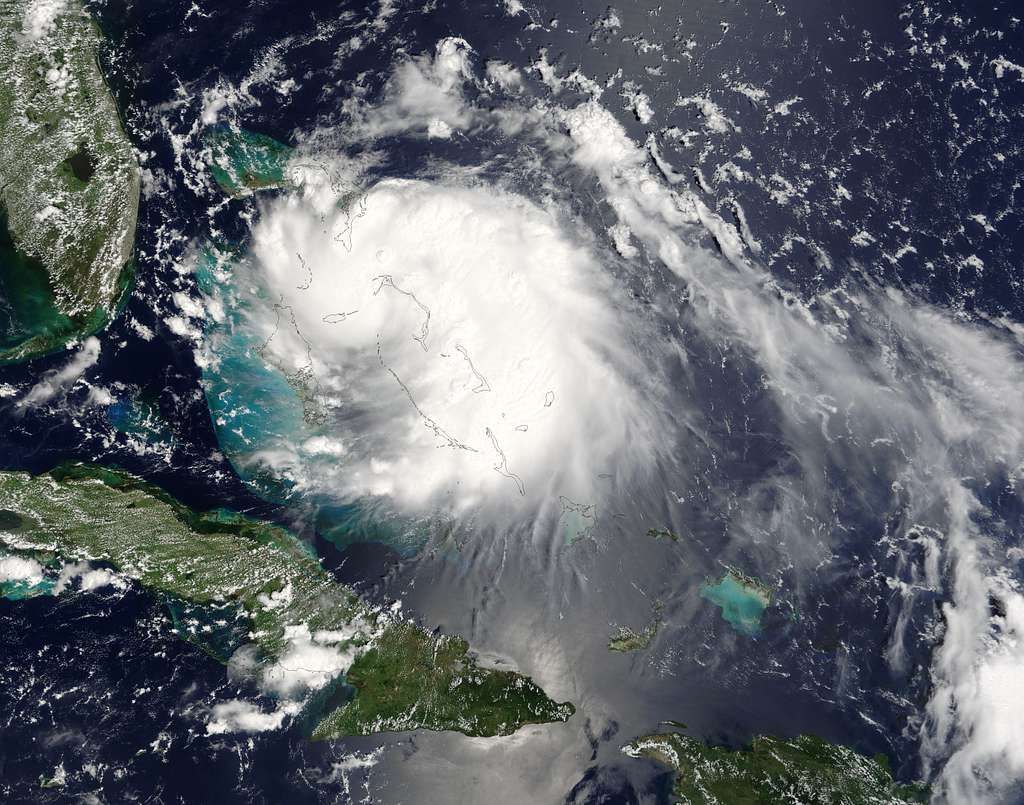
As hurricane season intensifies across the Atlantic and Pacific coasts, the National Aeronautics and Space Administration (NASA) has reaffirmed its vital role in supporting disaster preparedness and emergency response. Through a sophisticated blend of satellite technology and earth science research, NASA provides crucial real-time data to both state and federal agencies tasked with safeguarding lives and infrastructure.
Advanced Support for Emergency Response Agencies
NASA’s Earth-observing systems now deliver timely and high-resolution flood mapping, detailed power outage analytics, and landslide risk assessments. These resources are made accessible to government bodies involved in planning evacuations, deploying emergency services, and managing recovery operations.
By leveraging data from platforms like the Earth Observing System (EOS), Landsat, and NASA’s Disasters Program, experts are able to track water movement, detect terrain instability, and monitor weather patterns with remarkable accuracy. The information is relayed to agencies such as FEMA, NOAA, and local state authorities to enhance coordination before, during, and after storm events.
Climate Factors Behind Hurricane Intensity
Beyond tracking active storm systems, NASA’s research delves into the environmental conditions that contribute to hurricane development and intensity. This includes monitoring changes in ocean surface temperatures, wind shear, atmospheric moisture, and other factors that influence the scale and strength of hurricanes.
One of the most critical indicators is ocean heat content. Warmer waters provide more energy to forming storms, potentially fueling them into more destructive systems. NASA satellites equipped with infrared sensors and microwave radiometers capture these sea surface changes, offering forecasters early warnings of intensifying storms.
AI and Satellite Innovation at the Forefront
In recent years, NASA has integrated artificial intelligence and machine learning into its climate data systems. These tools rapidly analyze vast datasets to identify patterns and predict storm behavior, improving the accuracy of hurricane forecasts. The agency’s collaboration with other federal partners ensures that this cutting-edge analysis translates into real-world applications, from emergency planning to infrastructure protection.
Empowering Communities Through Data
While NASA does not directly manage disaster response, its scientific contributions remain indispensable. By supplying actionable data, the agency empowers decision-makers to act swiftly and effectively. Communities in hurricane-prone regions benefit from early warnings, risk mapping, and resource planning tools derived from NASA’s continuous monitoring efforts.
Looking Ahead
As climate change continues to influence weather extremes, NASA’s role in hurricane monitoring is more vital than ever. Through innovation in satellite technology, data modeling, and international cooperation, the agency stands at the frontline of earth science — not only exploring space, but also protecting our planet from the ground up.