


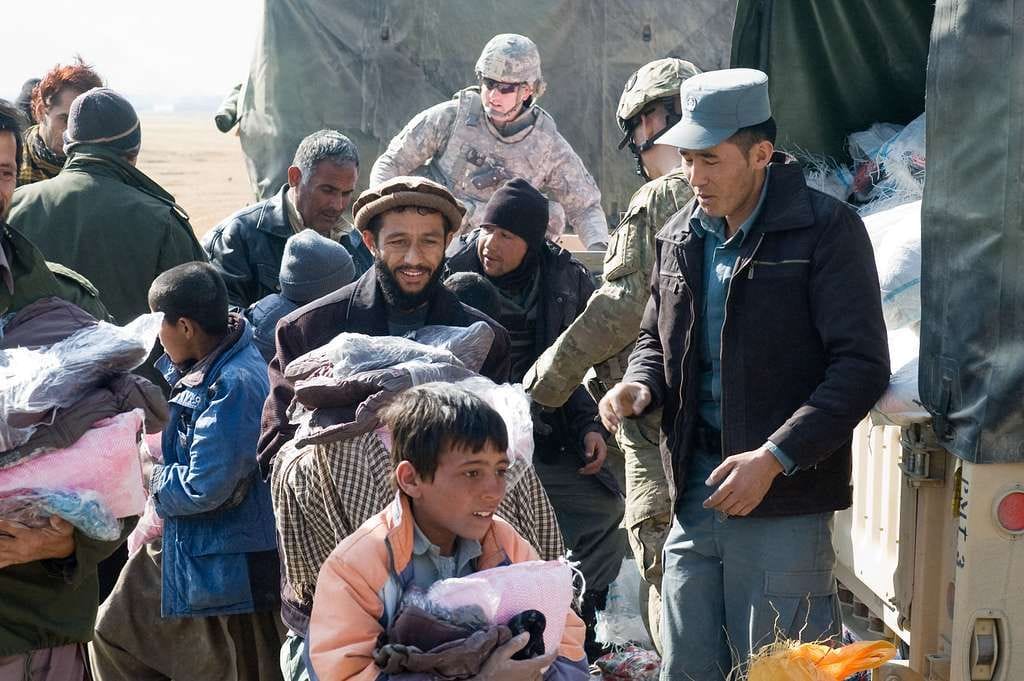
Humanitarian relief operations across the globe are under immense strain as funding shortages begin to take a heavy toll, according to the United Nations Office for the Coordination of Humanitarian Affairs (UNOCHA). These financial setbacks are leading to drastic reductions in aid, putting millions of lives in serious jeopardy.
One of the most immediate and distressing outcomes is the sharp reduction in food assistance. Vulnerable communities are now receiving fewer food rations, endangering their health and survival. In parallel, critical healthcare services are being discontinued, stripping people of access to basic medical care, routine vaccinations, and vital emergency treatments. Particularly troubling is the halt of specialized nutrition programs for children, which are essential in preventing and treating malnutrition—an issue that could have long-term consequences for an entire generation.
Field workers face heart-wrenching decisions as they determine who receives limited aid. With resources dwindling, they are left with the burden of prioritizing some lives over others—a decision no humanitarian should be forced to make.
This worsening scenario calls for immediate global attention and renewed financial commitments. Without urgent funding support, the scale of human suffering will continue to rise, deepening existing crises and triggering new humanitarian emergencies.