


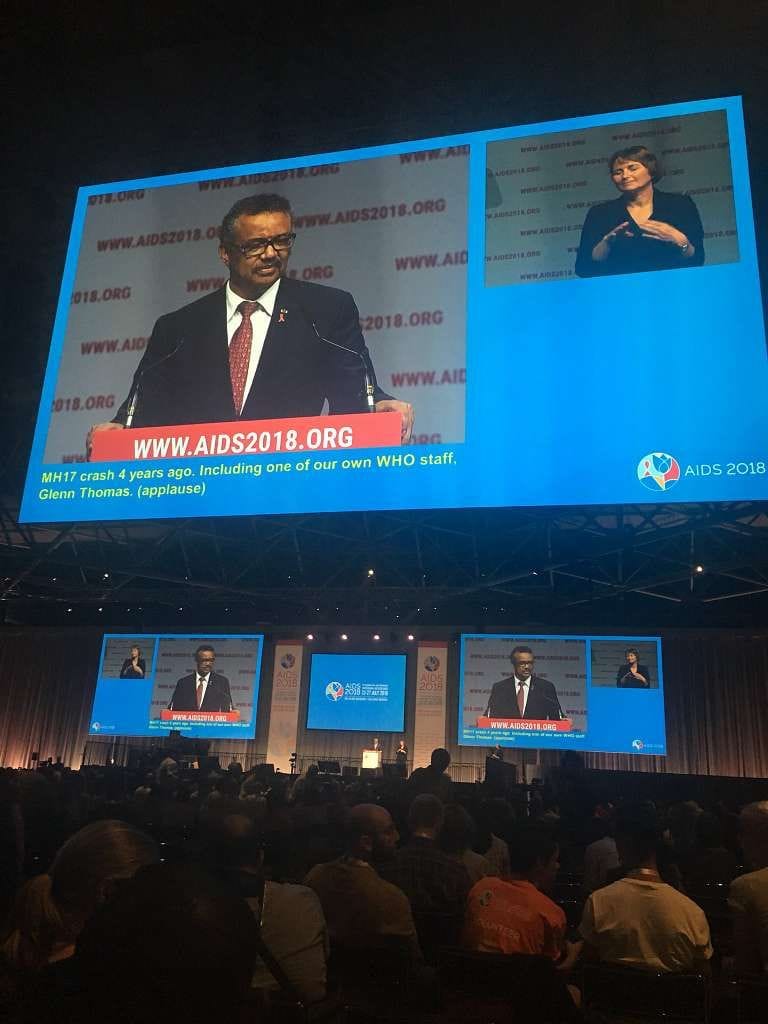
Substance-related harm, responsible for more than 3 million deaths every year, remains one of the most pressing public health challenges worldwide. Dr. Tedros Adhanom Ghebreyesus, Director-General of the World Health Organization (WHO), recently emphasized the urgent need for a stronger, unified global effort to combat the deadly consequences of alcohol and drug misuse.
In response to this growing crisis, the WHO brought together international health experts, policymakers, and partner organizations at a high-level forum focused on strengthening global coordination in addressing substance abuse. Central to the agenda was a comprehensive review of the Global Alcohol Action Plan — a roadmap developed to reduce the negative impact of alcohol consumption through evidence-based policies and interventions.
The forum also spotlighted the WHO’s SAFER initiative, which outlines five priority strategies aimed at curbing alcohol-related harm. These include regulating alcohol availability, implementing pricing policies, reducing drink-driving, increasing access to treatment, and enforcing bans on alcohol marketing.
Importantly, the dialogue extended beyond alcohol, tackling the broader spectrum of substance abuse — including illicit drugs and behavioral addictions. The holistic nature of the discussions reflected a growing recognition that addressing one form of substance harm in isolation is insufficient. Instead, integrated solutions and multi-sector collaboration are essential.
This renewed emphasis on global cooperation signifies a clear intention to expand and reinforce current health interventions. By fostering shared learning, aligning global resources, and encouraging policy innovation, WHO and its partners aim to build more resilient systems capable of preventing and managing substance-related disorders effectively.
Dr. Tedros’s call to action serves as a timely reminder that preventing millions of premature deaths hinges on continued commitment, strategic planning, and global solidarity. The path forward lies in collective resolve and smart, science-driven responses that prioritize public health over stigma and neglect.