


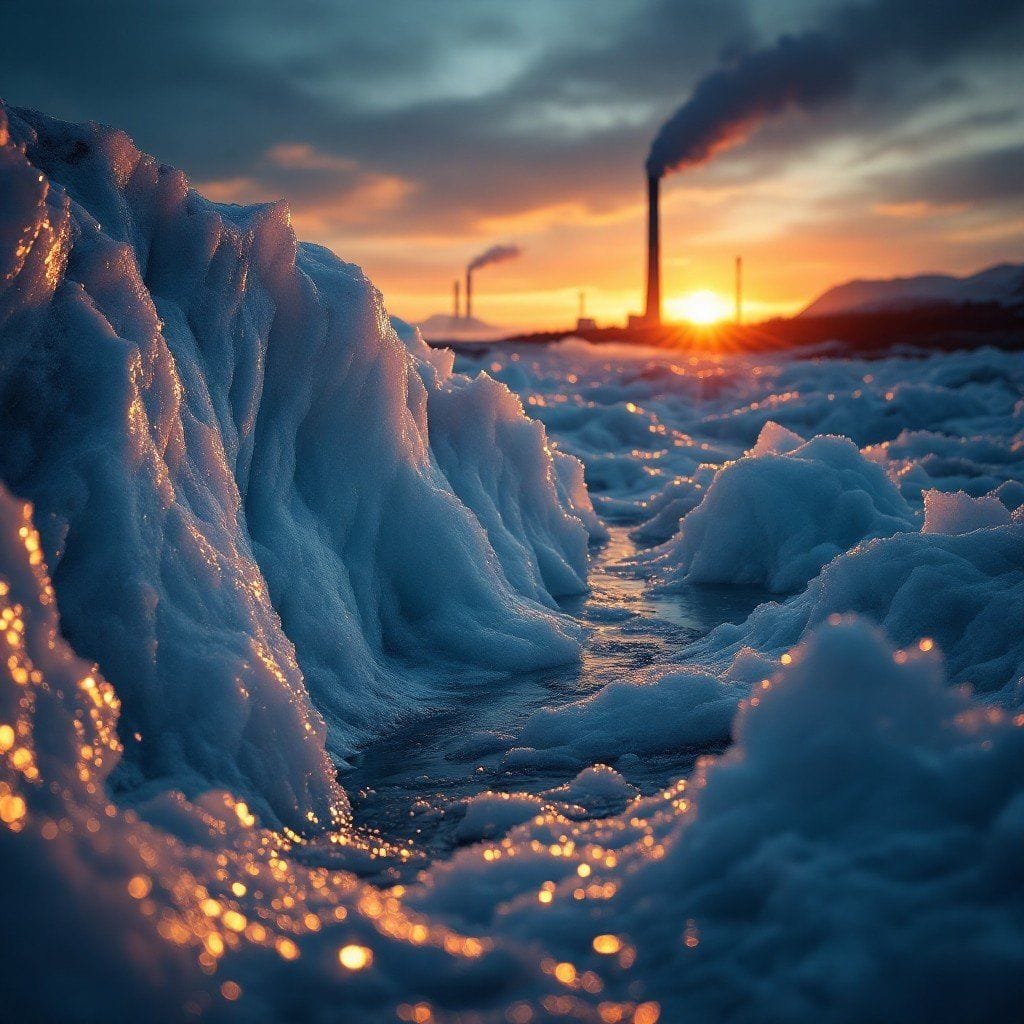
The United Nations Environment Programme (UNEP) has released a sobering new report exposing the intensifying dangers of climate change. From deadly heatwaves to ancient microbes and toxic floodwaters, the report outlines a cascade of threats that demand urgent global attention and immediate shifts in how cities are designed and how societies respond to environmental stress.
Among the most alarming revelations is the dramatic spike in heat-related mortality. Since the 1990s, deaths caused by extreme heat among people aged 65 and older have soared by 85%. This sharp uptick reflects how vulnerable elderly populations are becoming as heatwaves grow more frequent, intense, and prolonged due to climate change. The findings highlight the need for governments and health systems to implement targeted protection plans for at-risk communities.
But the dangers extend beyond high temperatures. UNEP warns of an unsettling possibility—melting glaciers could unleash long-dormant pathogens. Frozen for thousands of years, these ancient bacteria and viruses could reemerge as the ice recedes, potentially leading to unknown infectious diseases. This chilling prospect adds a new dimension to the climate crisis—one involving biological risks that science is only beginning to understand.
The report also underscores the rising threat of toxic floods. As global temperatures drive more frequent and severe flooding, contaminated sites such as landfills, factories, and agricultural zones may release harmful chemicals into the environment. Floodwaters can transport these toxins into rivers, soil, and drinking water supplies, posing long-term risks to both ecosystems and human health.
In response to these intertwined challenges, UNEP is calling for a bold transformation of urban landscapes. The report urges the development of clean, green, and resilient cities—spaces filled with trees, green infrastructure, and accessible public areas. Urban vegetation not only reduces heat but also absorbs pollutants, manages stormwater, and improves mental well-being.
With climate threats accelerating, the UNEP report is a clarion call for policymakers, city planners, and communities to act decisively. Building climate-resilient urban areas is no longer optional—it is essential. The choices made today will determine whether humanity can thrive in a rapidly warming world or be overwhelmed by the cascading consequences of inaction.