


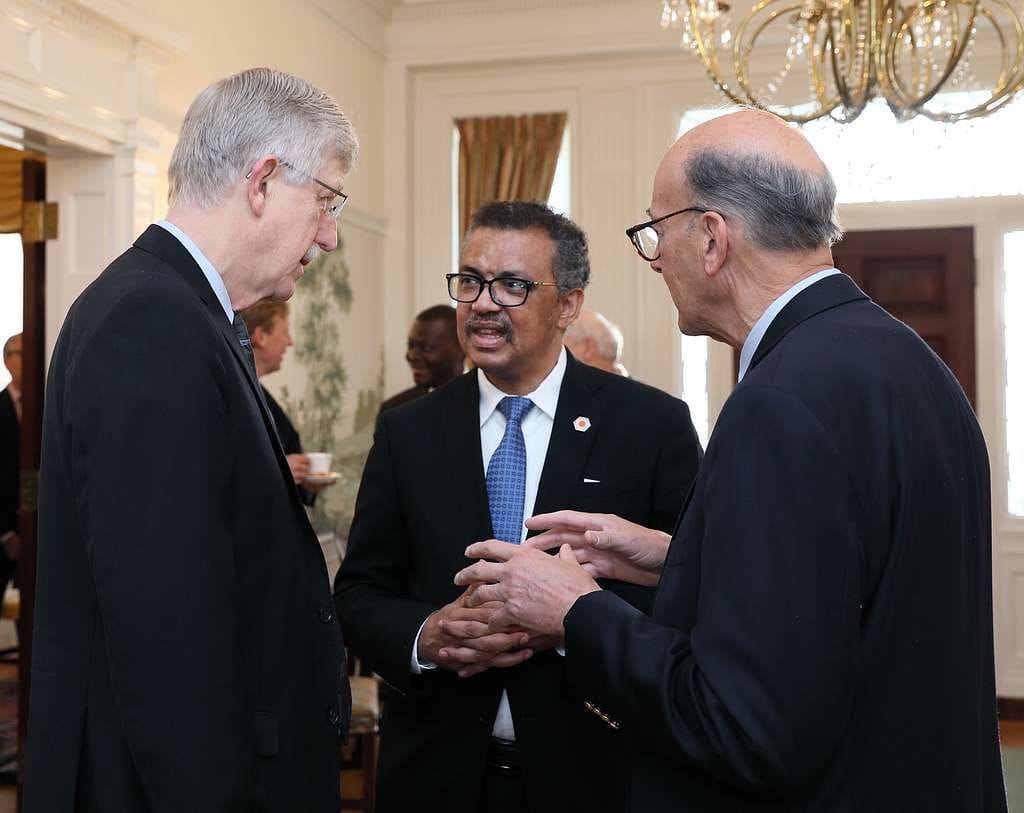
Geneva, July 2025 – World Health Organization (WHO) Director-General Dr. Tedros Adhanom Ghebreyesus expressed his appreciation to Thailand for its strong leadership in public health during a recent high-level visit by Thai Minister @j_sindhuprai, who is attached to the Prime Minister’s office.
In a public message, Dr. Tedros thanked the Minister for visiting the WHO headquarters and highlighted Thailand’s commitment to addressing noncommunicable diseases (NCDs) and promoting health initiatives. One of the key actions praised was Thailand’s firm stance on banning e-cigarettes—a move aimed at protecting the health of younger populations and international visitors.
“Thailand continues to demonstrate exemplary public health leadership,” Dr. Tedros noted. “By banning e-cigarettes, the country is taking proactive steps to prevent health issues before they arise, especially among youth.”
Noncommunicable diseases such as heart disease, diabetes, and chronic respiratory conditions are among the leading causes of death globally. Preventive policies like Thailand’s are seen as crucial in reducing the global burden of these diseases.
In addition to discussing health promotion strategies, the Thai delegation and WHO officials visited the WHO Emergency Operations Centre. The visit focused on how Thailand, in collaboration with the WHO, can enhance its capabilities in detecting, monitoring, and responding to outbreak threats both nationally and globally.
Dr. Tedros emphasized that strengthening emergency preparedness and rapid response systems remains a top priority. He acknowledged Thailand’s role in contributing to global health security and underscored the importance of ongoing collaboration.
Conclusion: The visit reinforced the close cooperation between Thailand and the World Health Organization, especially in preventive health policies and global outbreak preparedness. Thailand’s proactive health stance—such as banning e-cigarettes—serves as a model for other nations aiming to safeguard public health and respond effectively to future threats.