


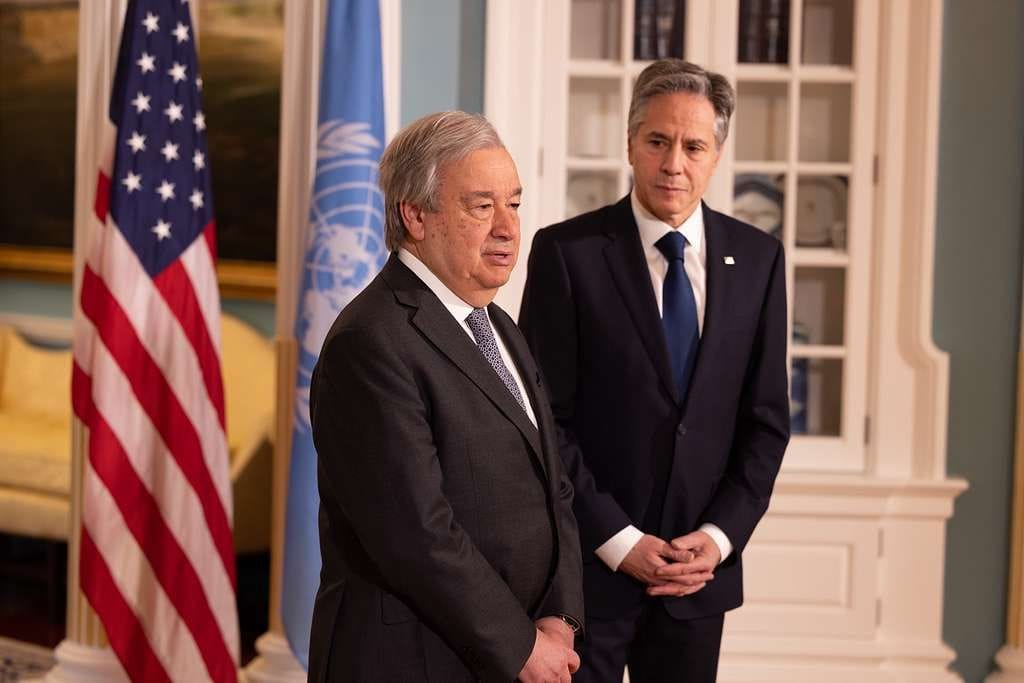
In a sobering address to the international community, United Nations Secretary-General António Guterres has sounded the alarm over the slow and uneven progress on the Sustainable Development Goals (SDGs). Drawing from the latest SDG progress report, his message carries urgency: with only five years remaining to meet the 2030 targets, the global effort is faltering.
The data shared by the UN paints a challenging picture. As of now, only 35% of SDG targets are either on track or showing moderate progress. Meanwhile, 31% of goals are inching forward with marginal improvements, and 17% show little to no progress at all. Even more concerning, 18% of the targets are actively regressing, threatening to undo years of development work.
Guterres emphasized that the SDG Report is not just a status update—it is a wake-up call. He called on world leaders, organizations, and individuals to mobilize their efforts. “We must make the next five years count,” he stated, reinforcing that while the current trends are worrying, turnaround is still within reach—but only if there is a bold, coordinated, and immediate global response.
Achieving the Global Goals by 2030 will now require more than mere commitment; it will demand transformational change, innovative strategies, and shared accountability. The report urges investments in equity, resilience, and inclusive growth, especially for communities most at risk of being left behind.
With climate change, inequality, food insecurity, and conflict growing more complex, the SDGs remain humanity’s clearest roadmap toward a sustainable and just world. As Guterres aptly put it, “Progress is possible—if we act together, with resolve.” The next five years are not just critical—they are decisive.