


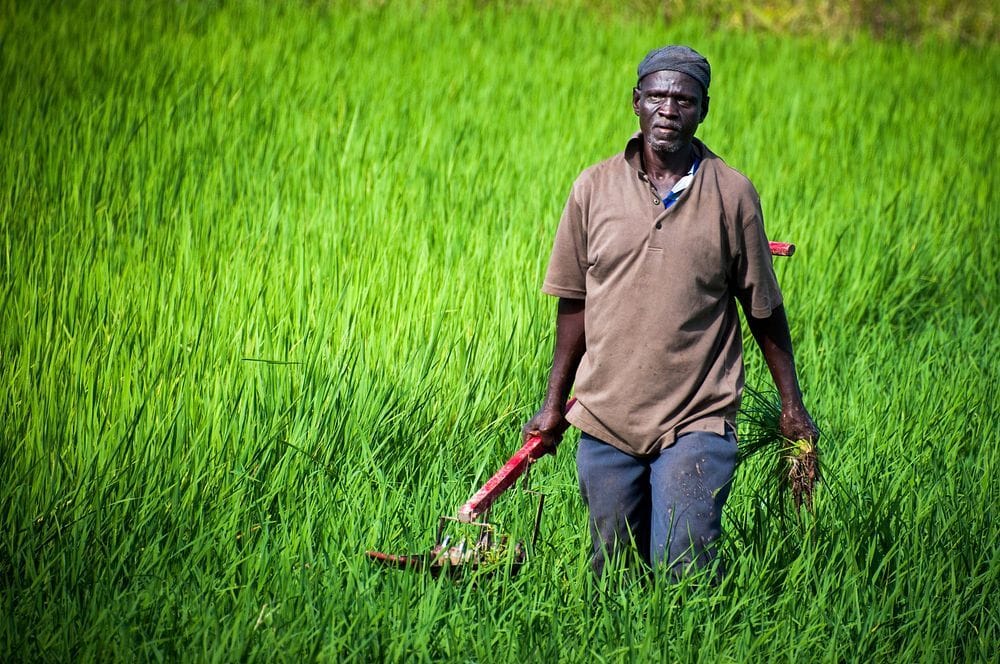
Ghana is currently experiencing a severe drought, particularly impacting its vital food production regions. This environmental crisis poses a significant threat to the nation’s food security and economic stability. The prolonged dry spell has jeopardized harvests, raising concerns about potential widespread food shortages and a detrimental ripple effect on the livelihoods of many Ghanaians.
In response to this escalating crisis, the World Bank has announced a substantial commitment of $85 million. This crucial funding is specifically earmarked to counteract the losses incurred due to the drought and to bolster the resilience of Ghana’s agricultural sector. The initiative focuses on directly supporting 500,000 smallholder farmers, who are the backbone of the country’s food supply.
The support package for these farmers will primarily involve the provision of essential agricultural inputs: fertilizers and improved seeds. Fertilizers are critical for replenishing soil nutrients depleted by drought conditions and for optimizing crop yields. Improved seeds, on the other hand, are often more resistant to adverse weather conditions, including drought, and can lead to higher productivity, even in challenging environments. By equipping smallholder farmers with these vital resources, the World Bank aims to mitigate immediate crop losses and help ensure future harvests.
This intervention by the World Bank highlights the urgent need for international cooperation in addressing climate-related challenges that disproportionately affect vulnerable nations. The investment in Ghanaian smallholder farmers is not merely a short-term relief effort but a strategic move towards building more sustainable and climate-resilient agricultural practices in the region. It underscores the understanding that supporting local farmers is key to safeguarding national food security and fostering long-term economic stability in the face of increasingly unpredictable weather patterns.