


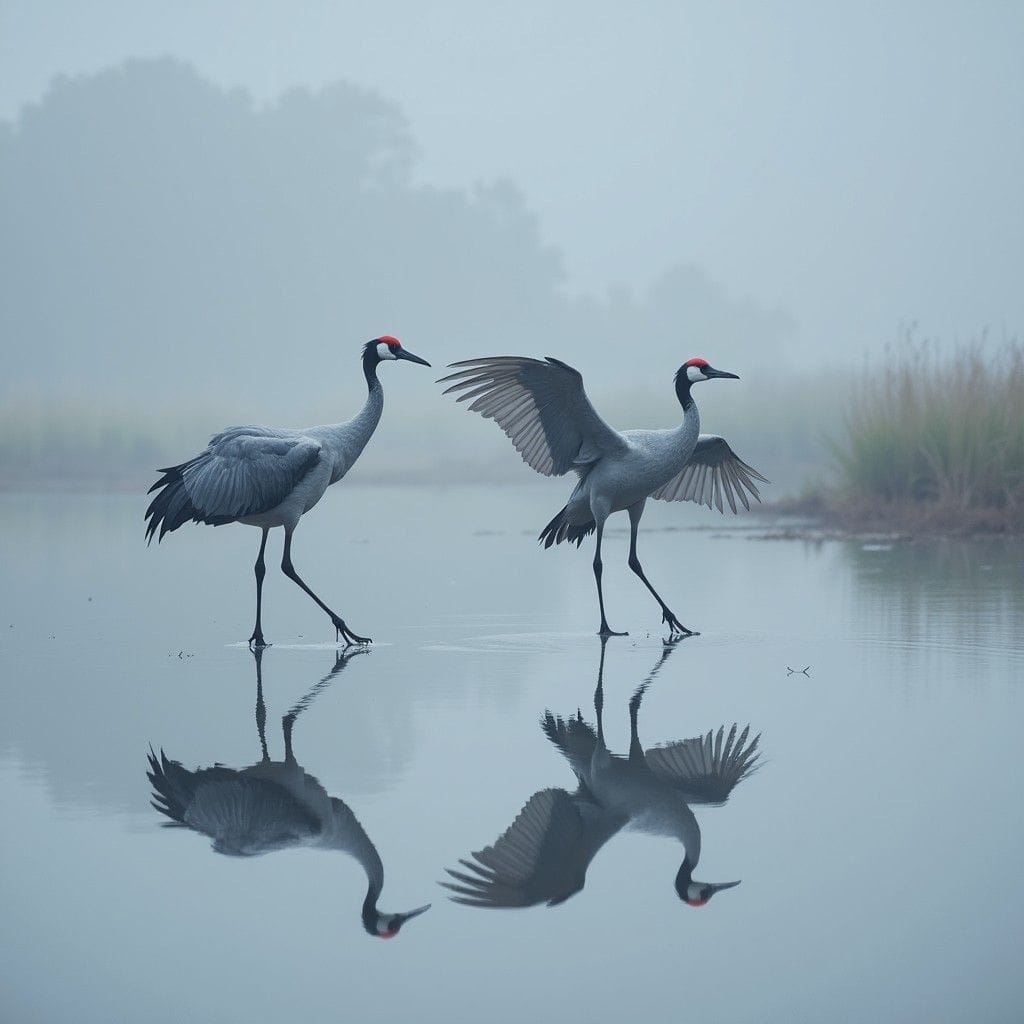
Wetlands are indispensable ecosystems, acting as vital biodiversity hotspots, natural water filters, carbon sinks, and life-sustaining environments. Despite their immense importance, these crucial habitats are facing a severe crisis, with over 85% of wetlands having been lost since 1700. This alarming statistic underscores the urgent need for global conservation efforts.
The ongoing COP15 summit in Zimbabwe serves as a critical platform to address this environmental degradation. Organizations like UNESCO are at the forefront of these efforts, championing the protection of wetlands worldwide through various initiatives. Their work spans across several key areas:
- World Heritage Sites: UNESCO designates and protects wetlands of outstanding universal value as World Heritage Sites, ensuring their preservation for future generations. These sites often boast unique ecological features and significant biodiversity.
- Biosphere Reserves: Through its Biosphere Reserves program, UNESCO promotes a balanced relationship between humans and nature. Many of these reserves encompass important wetland areas, fostering sustainable management practices and scientific research.
- The Ramsar Convention: UNESCO actively supports the Ramsar Convention on Wetlands, an intergovernmental treaty that provides the framework for national action and international cooperation for the conservation and wise use of wetlands and their resources.
The loss of wetlands has far-reaching consequences, impacting not only biodiversity but also human well-being. Their disappearance contributes to increased flood risks, water scarcity, and a reduction in natural carbon sequestration, exacerbating climate change.
The collective efforts of international organizations, governments, and local communities are paramount in reversing this destructive trend. By raising awareness, implementing effective conservation strategies, and promoting sustainable practices, we can work towards a future where these invaluable ecosystems are protected and allowed to thrive. The message from COP15 and the alarming statistics presented by UNESCO are clear: the time to act for wetlands is now.