


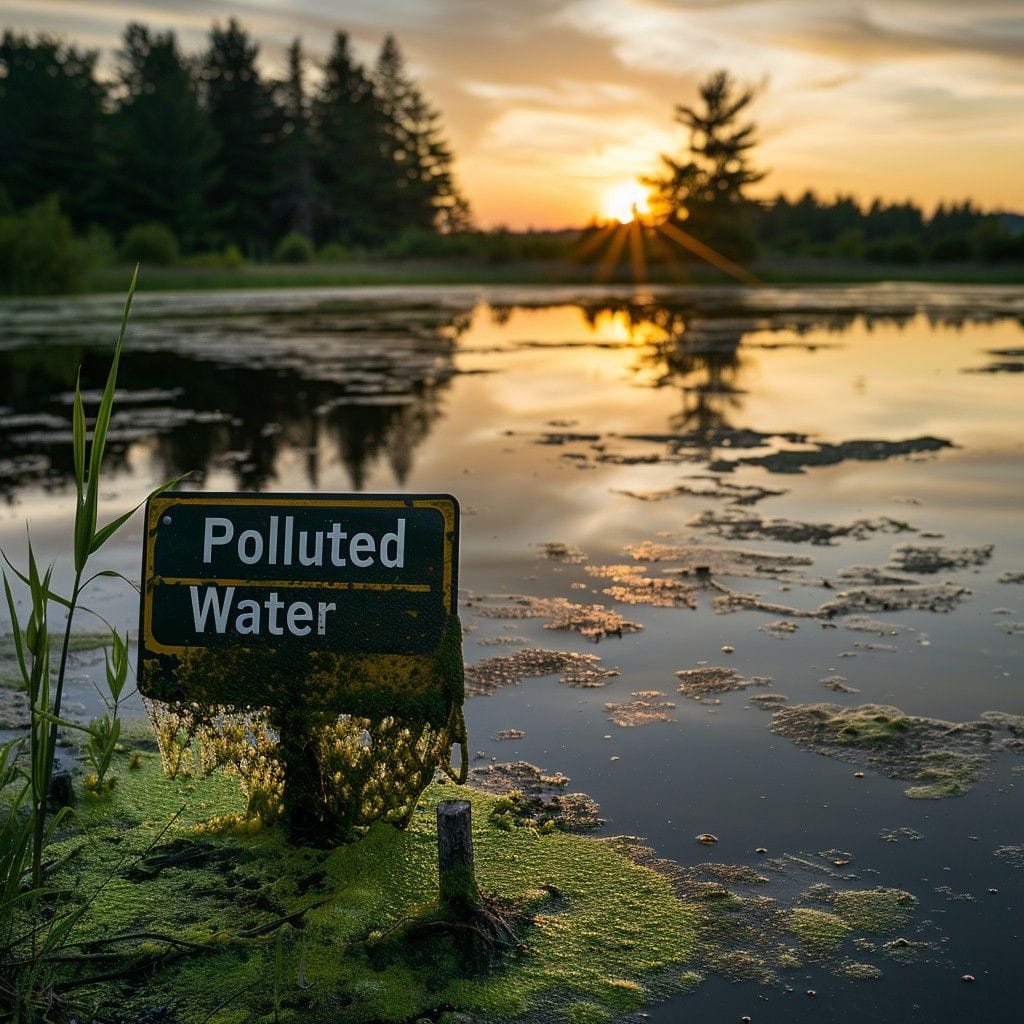
Wetlands—ranging from swamps and marshes to mangroves and lakes—are some of the Earth’s most vital ecosystems. These natural habitats play a crucial role in maintaining ecological balance, regulating climate, and securing freshwater resources.
According to the Food and Agriculture Organization (FAO) of the United Nations, wetlands act as nature’s own water purifiers. They help filter pollutants, improving the quality of water that flows into rivers, lakes, and aquifers. During periods of heavy rainfall, wetlands absorb excess water, reducing the risk of floods. They also contribute to groundwater recharge, ensuring a steady supply of clean water for communities.
In addition to water security, wetlands play a key role in climate regulation. These ecosystems act as significant carbon sinks, trapping carbon dioxide and other greenhouse gases that contribute to global warming. By capturing carbon, wetlands help slow down the pace of climate change.
Beyond environmental functions, wetlands are a lifeline for millions of people. They support agriculture, fishing, and eco-tourism, and serve as habitats for countless plant and animal species—many of which are endangered. Wetlands are especially important for migratory birds and aquatic biodiversity.
Despite their importance, wetlands are disappearing at an alarming rate due to urbanization, pollution, and climate change. Conserving these ecosystems is not just a matter of protecting wildlife—it is essential for human survival, climate resilience, and sustainable development.
Conclusion:
Wetlands are not wastelands—they are water banks, carbon stores, and biodiversity havens. Protecting and restoring them is key to securing a sustainable future for both nature and humanity.