


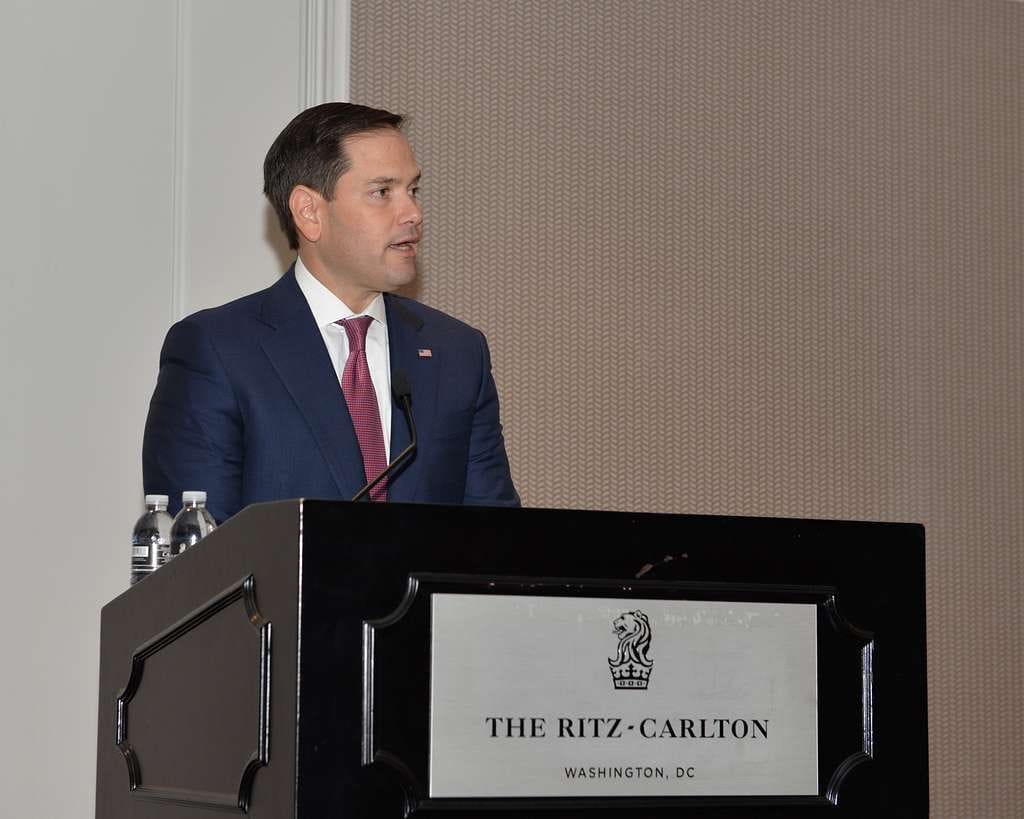
In a clear demonstration of renewed diplomatic energy in the Western Hemisphere, U.S. Secretary of State Marco Rubio has intensified outreach to key South American partners—most notably Argentina and Brazil. The recent high-level meetings, held within days of each other, underline Washington’s intention to reinforce political, economic, and technological ties in a region increasingly shaped by global competition.
Strengthening the Washington–Buenos Aires Axis
Secretary Rubio’s meeting with Argentina’s newly appointed Foreign Minister Pablo Quirno signals the beginning of a more coordinated strategic relationship between the two democracies. As Argentina undergoes sweeping economic restructuring, the United States is positioning itself as a principal partner in this transition.
Key elements of the dialogue included:
- Economic Expansion and Recovery: With Argentina battling long-standing inflation and fiscal challenges, the U.S. is exploring expanded trade and investment opportunities. Officials view a more stable Argentine economy as essential to strengthening regional markets and creating openings for American businesses.
- Trusted Technology Collaboration: Rubio and Quirno discussed the importance of secure, transparent, and reliable digital infrastructure—an area where the U.S. hopes to see stronger commitments. This focus reflects broader U.S. efforts to promote safe technology ecosystems that avoid the vulnerabilities linked to authoritarian influence in global communications networks.
- Security and Stability: Both governments emphasized enhanced cooperation on counter-narcotics operations, anti-terror initiatives, and combating cross-border organized crime. As geopolitical tensions grow worldwide, Washington views Argentina’s stability as a cornerstone of Southern Cone security.
The tone of the meeting suggests a long-term strategic partnership rather than short-term diplomatic engagement, marking a new phase in U.S.-Argentina relations.
Brazil Remains a Central Pillar in U.S. Regional Strategy
Rubio’s earlier engagement with Brazilian Foreign Minister Mauro Vieira reinforced Brazil’s indispensable role in shaping continental stability and economic growth. As the region’s largest economy and a leading global player, Brazil remains a critical partner for Washington’s broader hemispheric ambitions.
Discussions reportedly focused on:
- Shared Global Priorities: From climate initiatives in the Amazon to collaboration in multilateral forums, both sides explored ways to synchronize their approaches to pressing global issues.
- A More Balanced Trade Framework: The call for a “reciprocal framework” indicates mutual interest in reducing trade frictions and creating more equitable conditions for both nations. This could pave the way for improved market access and more efficient supply chains between the two economies.
A Coordinated U.S. Strategy for the Hemisphere
The back-to-back meetings in Brazil and Argentina are part of a broader U.S. plan to reinforce its presence in South America at a moment marked by intensifying geopolitical competition. Washington’s goals are threefold:
- Countering External Influence: By increasing economic and technological cooperation, the U.S. is offering regional partners viable alternatives to rival global powers seeking deeper influence in South America.
- Strengthening Democratic Institutions: The U.S. continues to support democratic resilience in key nations, recognizing that political stability in Brazil and Argentina is crucial for long-term regional peace.
- Securing Future Supply Chains: With the global economy shifting toward digital infrastructure and advanced manufacturing, the U.S. is prioritizing partnerships that support safe, diversified supply chains anchored in reliable democracies.
A Forward-Looking Diplomatic Posture
Secretary Rubio’s recent engagements reflect a more assertive and interconnected U.S. foreign policy in the Western Hemisphere. By weaving together economic growth, advanced technology cooperation, and regional security, Washington aims to build resilient alliances capable of meeting the challenges of the next decade.
If sustained, this diplomatic momentum could reshape the strategic landscape of South America—and redefine the U.S. role in the region for years to come.