


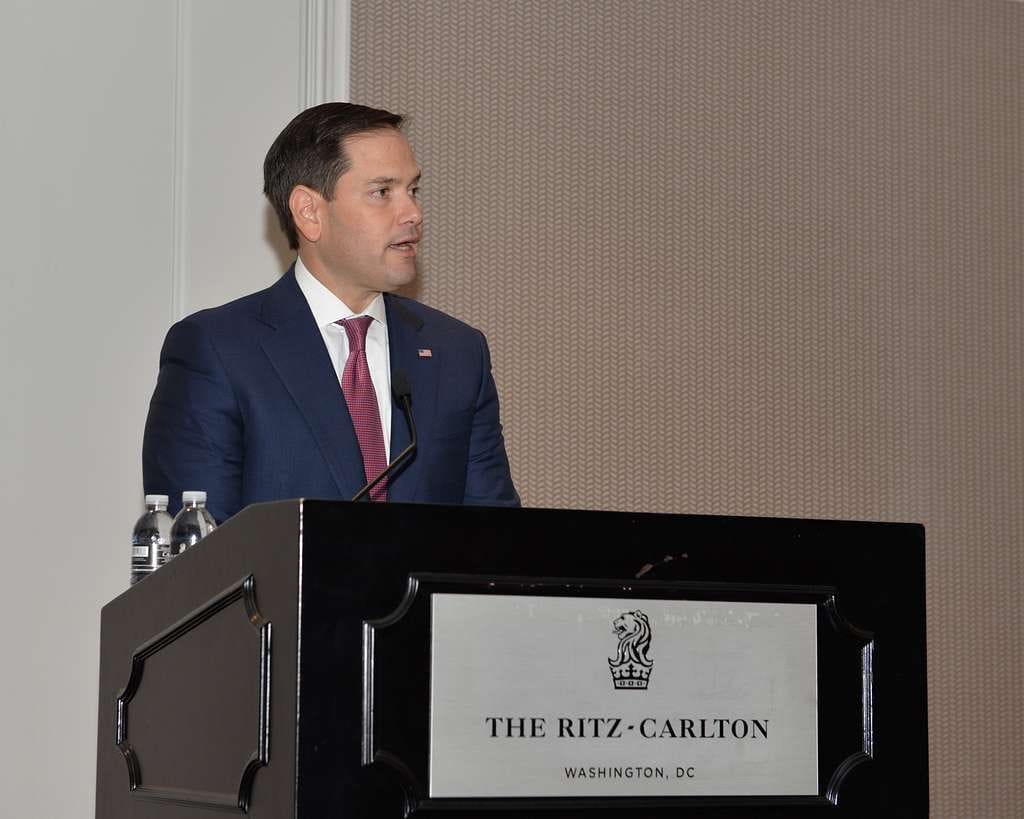
One year into his return to the White House, President Donald Trump has reshaped America’s global posture with a clear and deliberate doctrine: peace through strength. Supporters argue that his approach has reasserted U.S. sovereignty, recalibrated alliances, and restored a sense of national priority in both foreign and domestic decision-making.
According to Senator Marco Rubio, the administration’s strategy has produced tangible results. In his words, America is once again respected by allies, taken seriously by rivals, and governed with the interests of its citizens placed firmly at the forefront.
A Shift Toward Assertive Sovereignty
Central to President Trump’s first-year agenda has been the emphasis on national sovereignty. From trade negotiations to border enforcement and defense policy, the administration has consistently prioritized U.S. autonomy over multilateral compromise. Officials argue that this has strengthened America’s negotiating position and reduced long-standing dependencies.
The White House has framed these moves not as isolationism, but as strategic clarity—making clear where the U.S. stands and what it expects in return for cooperation.
Allies Adjust, Adversaries Recalculate
Trump’s leadership style has pushed allies to reassess their commitments, particularly in defense and burden-sharing. While some relationships were initially strained, supporters claim that clarity and firmness have led to renewed respect rather than distance.
At the same time, adversarial nations have been met with a combination of diplomatic engagement and unmistakable military and economic deterrence. The administration maintains that this balance has helped prevent escalation while discouraging provocation.
“Promises Made, Promises Kept”
The phrase frequently repeated by Trump allies reflects a core political message: delivery. Policies once discussed on the campaign trail—ranging from defense spending reforms to tougher foreign policy stances—have been actively pursued rather than delayed.
Marco Rubio and other Republican leaders view this consistency as a key reason for strong backing among Trump’s base, who see action where they previously saw rhetoric.
Domestic Priorities at the Center
Beyond global strategy, the administration has emphasized that foreign policy decisions must ultimately benefit the American public. Economic security, job protection, and national safety have been framed as inseparable from diplomacy and defense.
Supporters argue that this inward focus has restored confidence among voters who felt overlooked by past administrations.
Conclusion
As President Trump completes his first year back in office, his leadership has clearly redefined America’s approach to power and peace. Whether praised as decisive or criticized as confrontational, the administration’s strategy has left no ambiguity about its goals. For allies, adversaries, and Americans alike, the message is clear: the United States intends to lead on its own terms.