


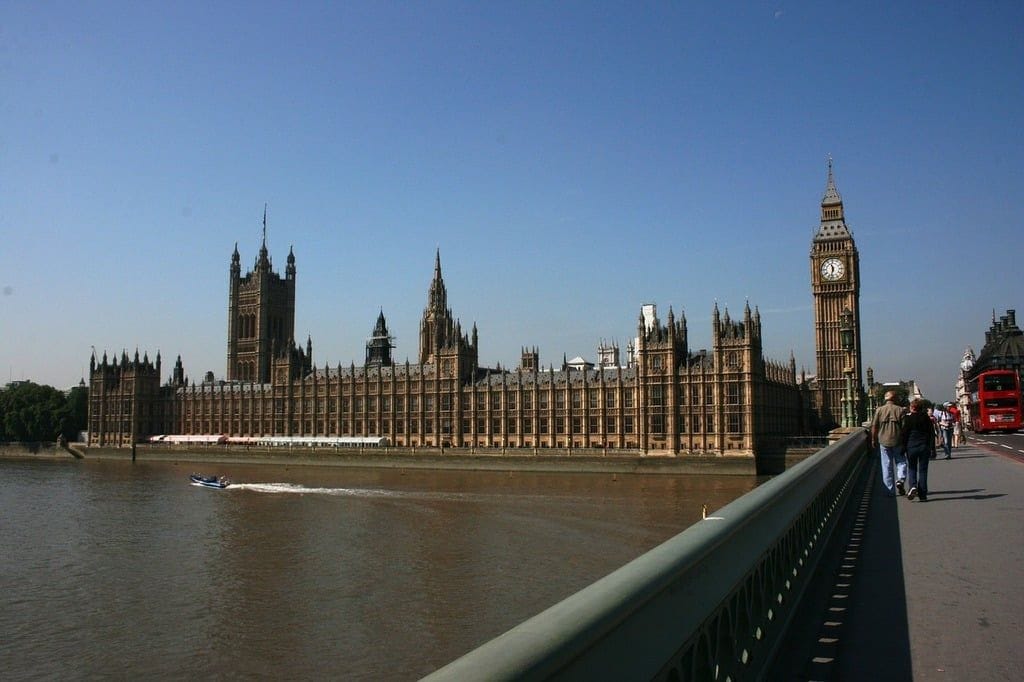
The United Kingdom’s Parliament is sharply divided as lawmakers debate a new set of migration policy proposals aimed at tightening border controls and reforming the asylum system. The government argues that the measures are necessary to reduce irregular migration and restore public confidence in immigration management.
The proposed reforms reportedly include stricter eligibility criteria for asylum claims, expanded detention authority, and accelerated deportation procedures for individuals whose applications are rejected. Officials say the objective is to create a faster, more efficient system that discourages illegal crossings while protecting those with legitimate humanitarian needs.
Supporters within the ruling party maintain that uncontrolled migration places pressure on housing, healthcare, and social services. They argue that decisive action is required to address backlogs and ensure national security.
However, opposition parties and human rights organizations have voiced strong concerns. Critics warn that some of the measures may conflict with international refugee conventions and could lead to legal challenges. Advocacy groups have also raised questions about the treatment of vulnerable migrants, including families and minors.
The debate has reignited broader discussions about Britain’s post-Brexit immigration strategy. Since leaving the European Union, the UK has gained greater control over its border policies, but it has also faced new logistical and diplomatic challenges.
Public opinion remains mixed, with surveys indicating strong support for stricter border controls alongside concern for humanitarian protections. Political analysts suggest the outcome of this debate could significantly influence the country’s domestic political landscape ahead of future elections.
As parliamentary negotiations continue, the migration issue remains one of the most defining and contentious topics in contemporary British politics.