


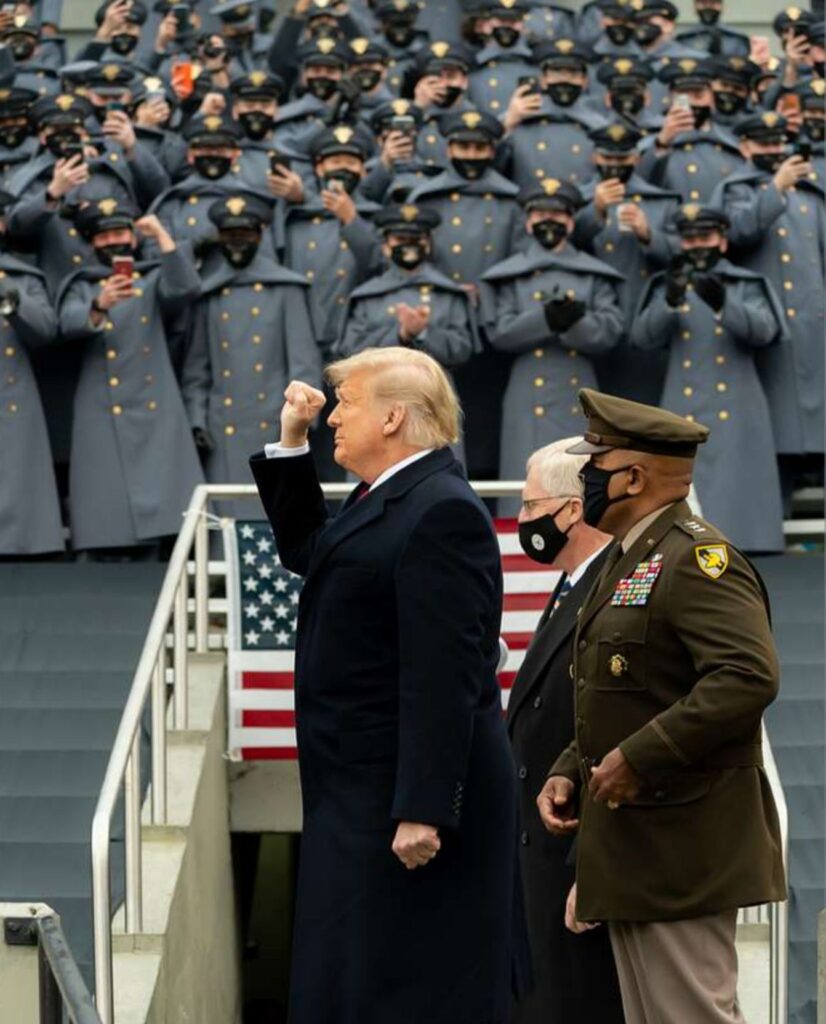
U.S. President Donald J. Trump on Tuesday celebrated what he described as “far greater than expected” job creation numbers, calling the latest employment data a sign of renewed American economic strength and global dominance.
In a public statement, President Trump said the strong labor market performance should translate into significantly lower borrowing costs for the United States government. Arguing that America is once again “the strongest country in the world,” he asserted that the nation should be paying the lowest interest rates on its bonds.
According to the President, reducing interest rates on U.S. government debt could generate savings of at least $1 trillion per year in interest expenses. He suggested that such savings could pave the way for a balanced federal budget — and potentially even a surplus.
“The Golden Age of America is upon us,” Trump declared, framing the jobs report as evidence that his administration’s economic policies are delivering results.
While the President did not cite specific figures in his remarks, recent employment data has indicated continued resilience in the labor market, with job growth exceeding many analysts’ forecasts. Economists often view strong hiring trends as a sign of business confidence and consumer demand. However, interest rates on U.S. Treasury bonds are influenced by multiple factors, including inflation expectations, Federal Reserve policy decisions, global demand for safe-haven assets, and overall fiscal conditions.
Market analysts note that while robust job growth can strengthen economic outlooks, it can also complicate efforts to reduce borrowing costs if inflationary pressures remain elevated. The Federal Reserve, which operates independently of the White House, ultimately sets benchmark interest rates aimed at maintaining price stability and maximum employment.
The President’s comments come amid ongoing discussions in Washington about the federal deficit and long-term debt sustainability. With U.S. debt servicing costs having risen in recent years due to higher interest rates, any significant reduction in borrowing costs would have major fiscal implications.
Financial markets are expected to closely monitor upcoming economic indicators and any signals from the Federal Reserve regarding future rate adjustments.
As the administration continues to highlight economic performance as a key achievement, the debate over fiscal policy, debt management, and monetary independence remains central to the broader economic conversation.