


The bold claim that the United States is “the number one energy superpower, by far, anywhere on Earth” reflects a sweeping confidence in the country’s energy production capacity, technological innovation, and global influence. Over the past decade, the U.S. has transformed its position in the global energy landscape, moving from heavy dependence on foreign oil to becoming one of the largest producers of oil and natural gas in the world.
The Rise of American Energy Dominance
Advancements in hydraulic fracturing and horizontal drilling reshaped the U.S. energy sector. These technologies unlocked vast reserves of shale oil and natural gas in states like Texas, North Dakota, and Pennsylvania. As a result, American crude oil production surged to record levels, challenging traditional energy giants such as Saudi Arabia and Russia.
In addition to oil, the United States became a leading exporter of liquefied natural gas (LNG). Massive export terminals along the Gulf Coast now ship American gas to Europe and Asia, strengthening alliances and reducing the dependence of partner nations on rival suppliers. This shift became particularly significant during periods of geopolitical instability, when energy security emerged as a top priority for many countries.
Energy Independence and National Security
Energy independence has long been considered a pillar of national security. By increasing domestic production, the United States has reduced its vulnerability to supply disruptions and volatile international markets. Policymakers argue that domestic energy strength allows the nation to pursue foreign policy objectives with greater flexibility.
Being an energy superpower is not just about production numbers. It also involves refining capacity, pipeline infrastructure, strategic petroleum reserves, and global market influence. The U.S. possesses one of the most advanced energy infrastructures in the world, enabling it to respond quickly to shifts in global demand.
Balancing Fossil Fuels and Clean Energy
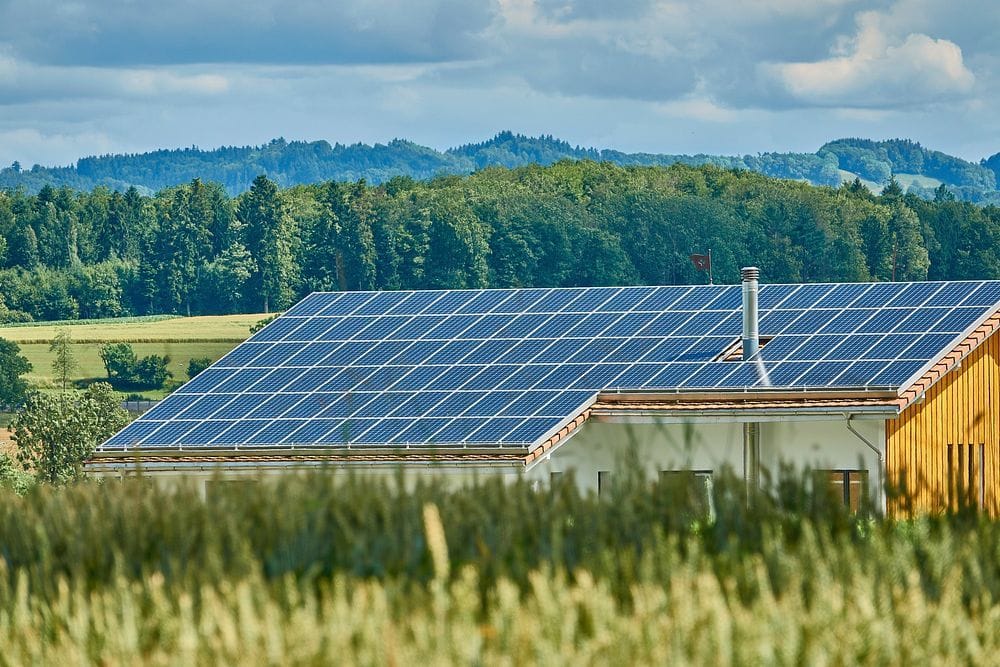
While fossil fuels have driven America’s energy boom, renewable energy has also expanded rapidly. Wind and solar power installations have grown across the country, supported by federal and state incentives. The U.S. is investing billions of dollars in battery technology, electric vehicles, and hydrogen research, aiming to maintain leadership in the transition to cleaner energy sources.
Critics, however, argue that claiming the title of “number one energy superpower” must account for sustainability and climate responsibility. Environmental groups emphasize the need to balance economic growth with efforts to reduce carbon emissions and combat climate change.
Economic Impact at Home and Abroad
The energy sector supports millions of American jobs, from drilling operations to engineering, shipping, and manufacturing. Lower domestic energy prices have also benefited consumers and industries, giving U.S. manufacturers a competitive edge globally.
On the international stage, American energy exports have become a diplomatic tool. Supplying LNG to European allies, for example, has helped diversify their energy sources and reduce reliance on geopolitical competitors.
A Symbol of Strength and Strategy
The declaration of being the world’s top energy superpower carries symbolic weight. It underscores economic resilience, technological capability, and strategic autonomy. Whether measured by production output, export capacity, or innovation, the United States has undeniably reshaped the global energy order in recent years.
However, the future of this dominance will depend on how effectively the country adapts to evolving energy demands, environmental expectations, and global competition. In a world increasingly focused on sustainability, true energy superpower status may ultimately be defined not only by how much energy a nation produces—but by how responsibly and efficiently it does so.