


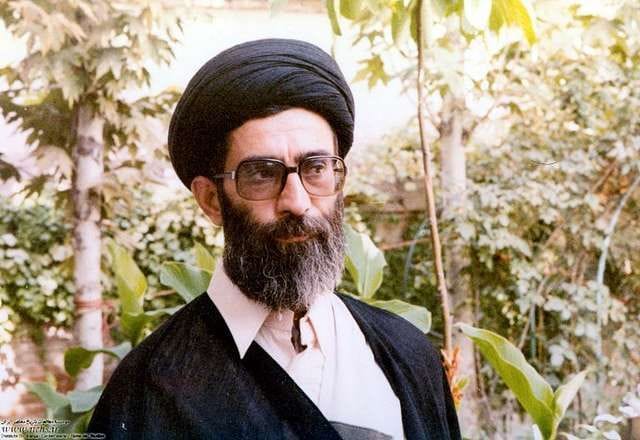
In a dramatic and unprecedented escalation in the Middle East, Iran’s Supreme Leader, Ayatollah Ali Khamenei, has been killed following a large-scale military assault carried out by the United States and Israel. Iranian state media confirmed his death after waves of coordinated airstrikes targeted strategic military and political facilities across the country.
Khamenei, who had ruled Iran since 1989, was the Islamic Republic’s highest authority, wielding ultimate control over the armed forces, judiciary, state broadcasting, and key political decisions. His death marks one of the most consequential moments in Iran’s modern history and signals a potentially transformative shift in regional geopolitics.
The Military Operation
According to official statements from Washington, the strikes were designed to dismantle Iran’s military infrastructure and leadership structure. U.S. President Donald Trump described the operation as decisive and indicated that further military actions could continue throughout the week. Israeli officials stated that the campaign aimed to neutralize what they called long-standing threats posed by Tehran’s military and nuclear ambitions.
Explosions were reported in multiple cities, including Tehran, with several high-ranking military officials believed to have been killed alongside Khamenei. The scale and precision of the strikes suggest months of planning and intelligence coordination between Washington and Tel Aviv.
Leadership Vacuum in Tehran
Khamenei’s death creates an immediate power vacuum at the very top of Iran’s political and religious hierarchy. As Supreme Leader, he held authority above the president and parliament, serving as the final decision-maker on matters of national security and foreign policy.
Under Iran’s constitutional structure, the Assembly of Experts is responsible for appointing a new Supreme Leader. However, the sudden and violent nature of his death could complicate the succession process. Political factions within Iran may now compete intensely to shape the country’s next chapter.
Regional and Global Impact
The killing of a sitting Supreme Leader through foreign military action is rare in modern history. Analysts warn that the consequences could extend far beyond Iran’s borders. Tehran has already vowed retaliation, raising fears of missile exchanges, proxy conflicts, and disruptions to global oil markets.
Neighboring countries are on high alert, while global powers are urging restraint to prevent a wider regional war. Energy markets have reacted sharply amid concerns that prolonged instability could disrupt supply routes in the Gulf.
A Turning Point
Ayatollah Khamenei presided over Iran during decades of sanctions, internal unrest, and confrontations with Western powers. His tenure shaped Iran’s foreign policy posture, including its support for regional allies and its tense standoff with the United States and Israel.
His death represents more than the removal of a single leader; it signals a potential redefinition of Iran’s political trajectory. Whether the country moves toward deeper confrontation or unexpected reform remains uncertain.
For now, the Middle East stands at a crossroads, watching closely as events unfold in Tehran and beyond.