


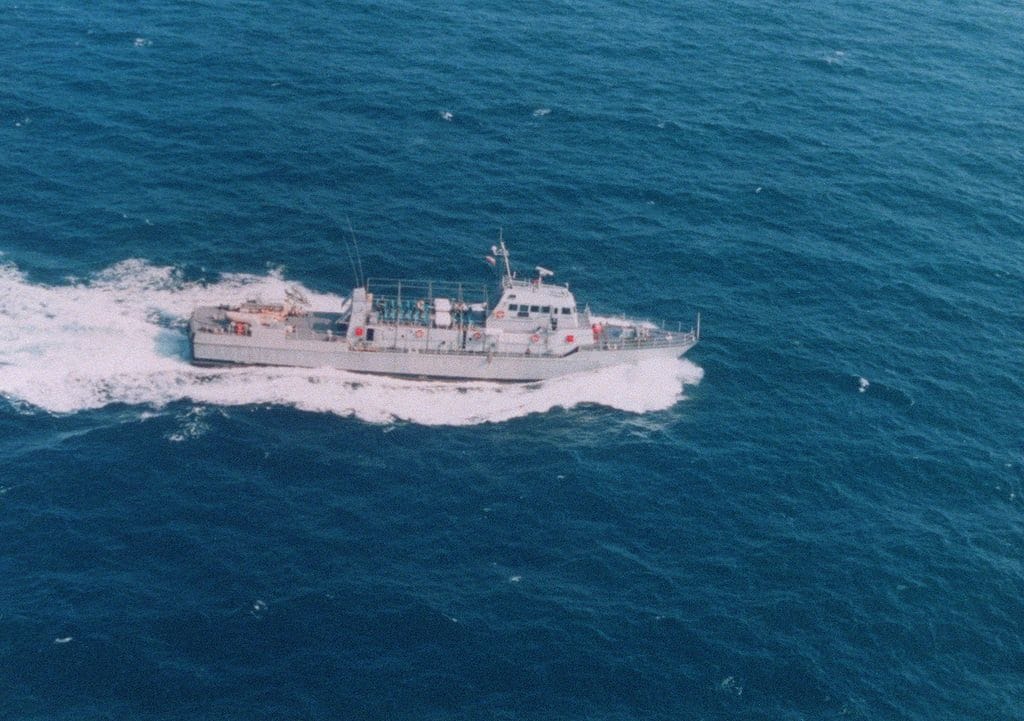
The world’s oceans play a vital role in sustaining life on Earth, providing food, oxygen, and livelihoods for billions of people. However, scientists and environmental experts warn that these vast marine ecosystems are facing increasing threats that could have serious consequences for the planet and human society.
According to the United Nations, oceans produce a significant portion of the oxygen we breathe and act as a powerful regulator of the global climate by absorbing heat and carbon dioxide from the atmosphere. They also support fisheries and coastal economies that provide employment and nutrition for millions of communities worldwide.
Despite their importance, marine environments are under growing pressure. One of the major concerns is overfishing, which depletes fish populations faster than they can naturally recover. This not only disrupts marine ecosystems but also threatens the food security of communities that rely heavily on seafood as a primary source of protein.
Another major challenge is climate change. Rising ocean temperatures, increasing acidity, and melting polar ice are altering marine habitats and threatening species that depend on stable environmental conditions. Coral reefs, often referred to as the “rainforests of the sea,” are particularly vulnerable to these changes.
Pollution is also a serious problem. Plastics, chemicals, and industrial waste frequently end up in the ocean, harming marine wildlife and contaminating food chains. Microplastics have even been detected in marine organisms, raising concerns about their long-term impact on both ecosystems and human health.
In addition, the destruction of coastal habitats such as mangroves, seagrass beds, and coral reefs is reducing the ocean’s natural ability to support biodiversity and protect coastal communities from storms and rising sea levels.
Environmental organizations and researchers emphasize that protecting oceans is essential not only for marine life but also for humanity itself. Sustainable fishing practices, pollution control, habitat restoration, and global cooperation on climate action are among the key steps required to safeguard ocean ecosystems.
Experts say that the health of the ocean and the well-being of humanity are deeply interconnected. When marine systems are damaged, the effects can be felt across food supplies, economies, and the global climate. Protecting the ocean, therefore, means protecting the future of life on Earth.