


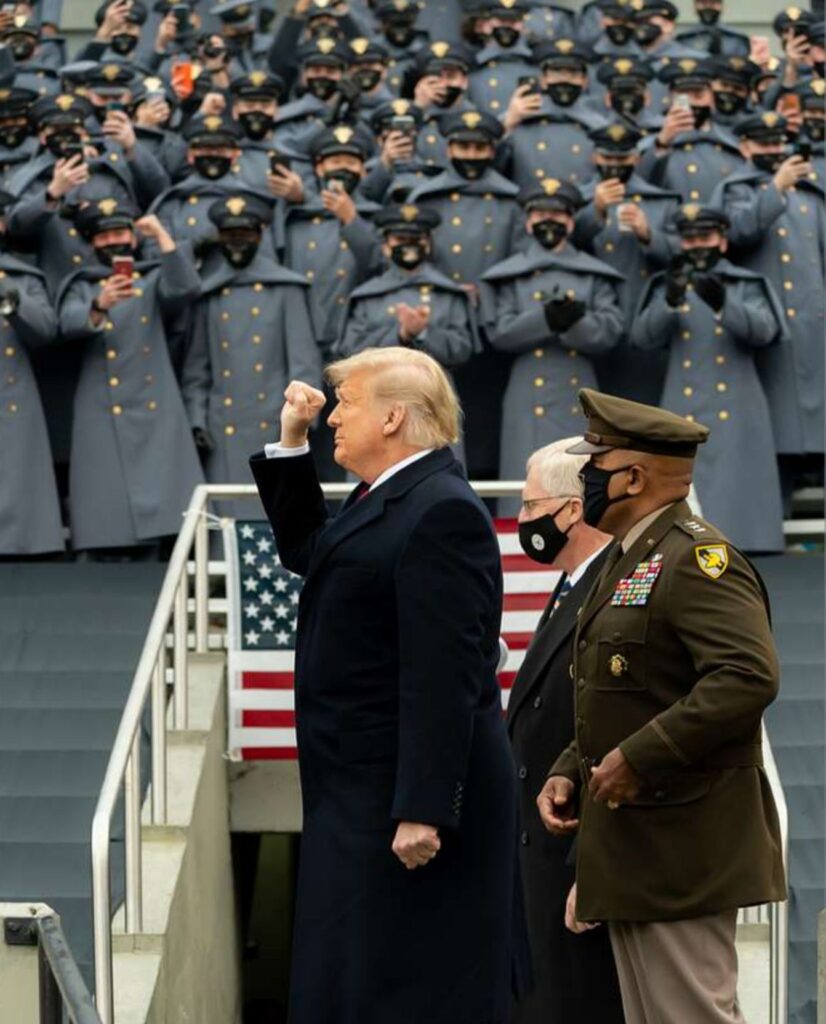
U.S. President Donald Trump has claimed that Ukrainian President Volodymyr Zelenskyy is preventing progress toward a potential agreement to end the war in Ukraine. In remarks reported by NBC News, Trump suggested that Russian President Vladimir Putin is willing to negotiate, while Ukraine’s leadership is reluctant to pursue a settlement.
Trump stated that Moscow appears open to reaching a deal that could halt the ongoing conflict, but he argued that Kyiv has not shown the same level of interest in negotiations. According to Trump, diplomatic efforts could move forward more quickly if both sides were equally committed to dialogue.
The war between Russia and Ukraine, which escalated dramatically after the full-scale invasion launched by Russia in 2022, has remained one of the most significant geopolitical crises in Europe. The conflict has caused widespread destruction in Ukrainian cities, displaced millions of civilians, and triggered major economic and security concerns across the region.
Zelensky and Ukrainian officials have repeatedly emphasized that any negotiations must respect Ukraine’s sovereignty and territorial integrity. Kyiv has maintained that a lasting peace can only be achieved if Russian forces withdraw from occupied territories and international law is upheld.
Meanwhile, Russia has signaled at different points that it is open to negotiations, though Ukrainian leaders and Western allies remain skeptical about Moscow’s intentions. Governments across Europe and North America have continued to support Ukraine militarily and economically while urging a just and durable resolution to the conflict.
Trump’s remarks add to the ongoing debate in international politics over how the war might eventually end. Some analysts argue that negotiations will ultimately be necessary, while others believe that conditions for meaningful talks have not yet been met.
As the conflict continues, diplomatic channels, military developments, and political dynamics within the United States and Europe are likely to play a crucial role in determining whether negotiations become a realistic path toward ending the war.