


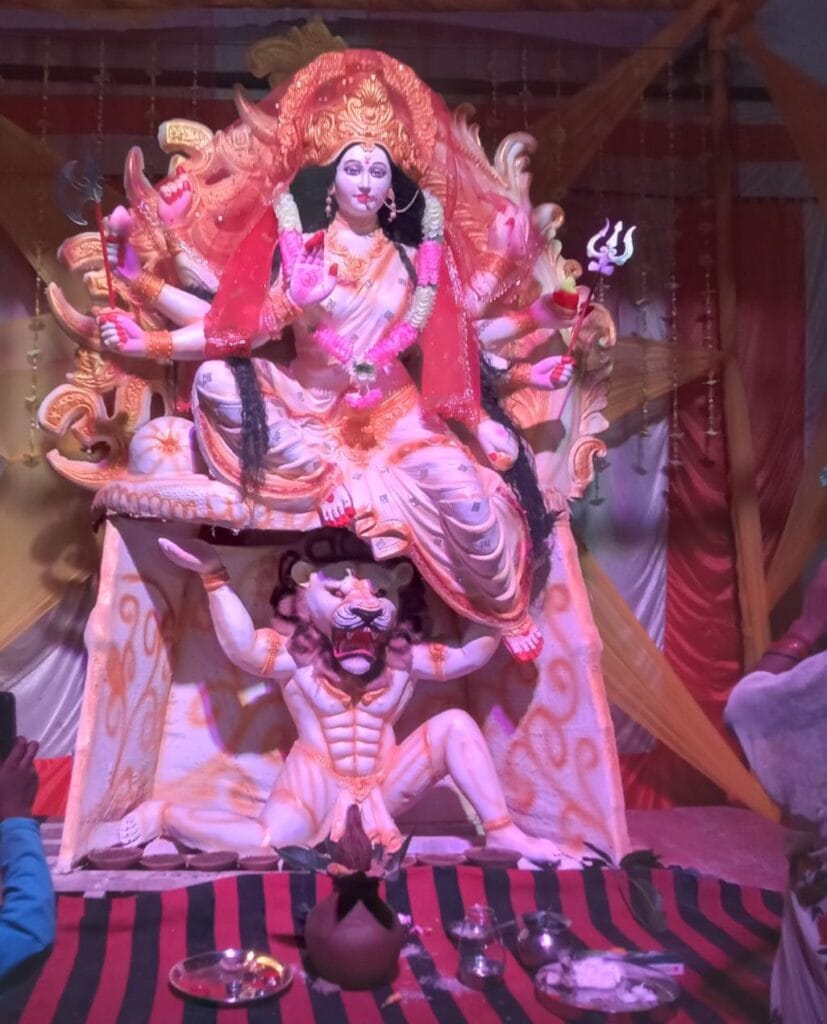
As the sacred festival of Navratri begins, heartfelt श्रद्धा and devotion fill the air across India and among Hindu communities worldwide. Millions of devotees bow in reverence to Goddess Durga, seeking her blessings for strength, prosperity, and protection from evil.
On this spiritually significant occasion, prayers and salutations are being offered to the divine mother, often referred to as Jagat Janani—the creator and nurturer of the universe. The festival symbolizes the triumph of good over evil and celebrates the divine feminine energy that sustains the cosmos.
During these nine sacred days, devotees observe fasts, perform rituals, and participate in vibrant cultural traditions such as Garba and Dandiya. Each day is dedicated to a different form of the goddess, reflecting various aspects of power, wisdom, and compassion. Temples are beautifully decorated, and the sound of devotional chants and aartis resonates across cities and villages alike.
The message shared on this occasion reflects a collective sentiment of devotion and unity. It is a prayer for the well-being of all, asking the goddess to shower her grace, love, and blessings upon every individual. Such expressions of faith highlight the deep cultural and spiritual roots that festivals like Navratri hold in Indian society.
Beyond religious significance, Navratri also fosters social harmony and togetherness. Families come together, communities celebrate collectively, and a sense of positivity spreads far and wide.
As the festival unfolds, the spirit of devotion continues to inspire millions, reminding everyone of the enduring power of faith, hope, and divine grace.
Jai Mata Di!