


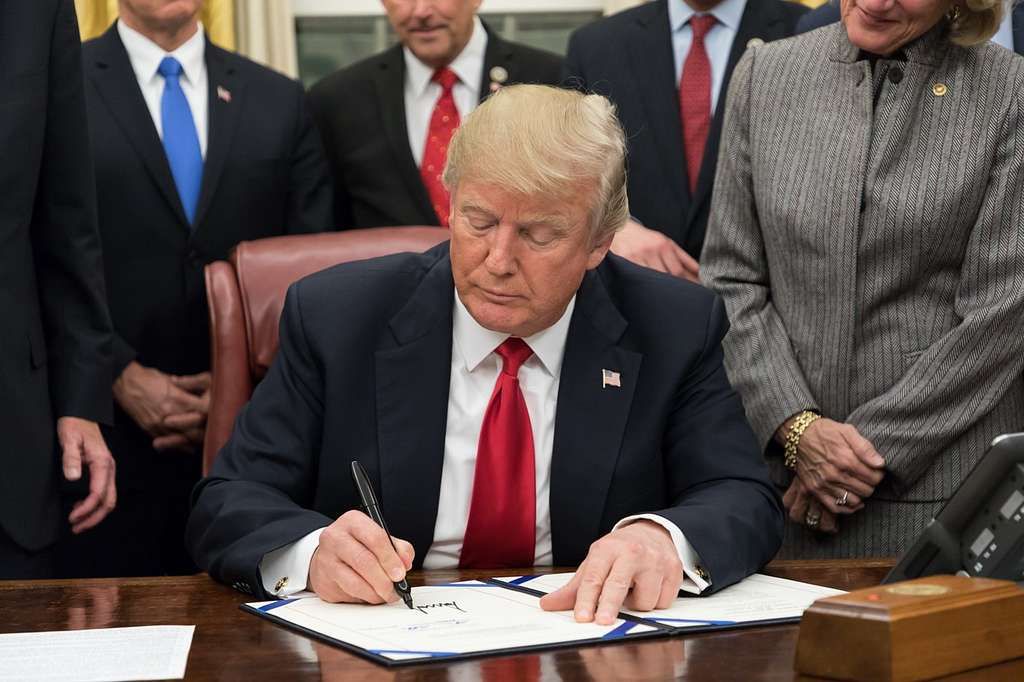
In a significant diplomatic development, U.S. President Donald Trump has declared an indefinite extension of the ongoing ceasefire with Iran, offering temporary relief amid rising geopolitical uncertainty. The announcement came just hours before the existing truce was set to expire on Wednesday.
Key Highlights of the Ceasefire Extension
The decision has helped calm fears of an imminent return to conflict, bringing short-term stability to global markets. However, the broader situation remains fragile and far from fully resolved.
Unconditional Continuation:
President Trump shared on his social platform that the ceasefire will remain in effect until Iran formally presents a peace proposal. The extension has been described as open-ended, with no fixed timeline.
Naval Pressure Still in Place:
Despite the halt in direct military strikes, U.S. forces continue to enforce a naval blockade around Iranian ports. Washington has made it clear that this pressure tactic will remain until a concrete agreement is reached.
Pakistan Talks Postponed:
A planned diplomatic visit by U.S. Vice President J. D. Vance to Pakistan has been delayed. The trip was expected to host a second round of indirect negotiations with Iranian officials.
Impact on Oil Prices and Global Economy
Following the announcement, crude oil markets showed signs of stabilization. Prices, which had been at risk of crossing $100 per barrel, are currently holding steady between $95 and $97.
However, disruptions persist around the Strait of Hormuz, where naval activity and vessel detentions continue to affect global supply chains.
International and Regional Reactions
Iran has yet to issue an official response to the extended ceasefire. Previous statements from Tehran have strongly criticized the U.S. naval blockade, labeling it as an act of maritime aggression.
At the global level, United Nations Secretary-General António Guterres welcomed the move, calling it “an important step toward de-escalation.”
India has also expressed concern over ongoing disruptions in the region. Defence Minister Rajnath Singh reiterated that instability in the Gulf directly impacts India’s energy security, given its dependence on oil shipments passing through the Hormuz corridor.
Conclusion
While the indefinite ceasefire reduces the immediate risk of renewed conflict, lasting peace in the Middle East remains uncertain. Much now depends on Iran’s next move and whether diplomatic talks—possibly involving Pakistan—can resume in the near future.
Bottom Line:
The ceasefire extension may have paused the conflict, but it has not resolved it. The region remains on edge, and global stakeholders are closely watching for the next shift in this high-stakes standoff.