


As global headlines remain focused on military tensions, a quieter but deeply alarming emergency is unfolding inside the Gaza Strip. Health agencies are warning of a rapidly worsening public health threat driven by an explosion in rodent populations, which could lead to a major disease outbreak if not addressed urgently.
Collapse of Basic Systems Fuels Infestation
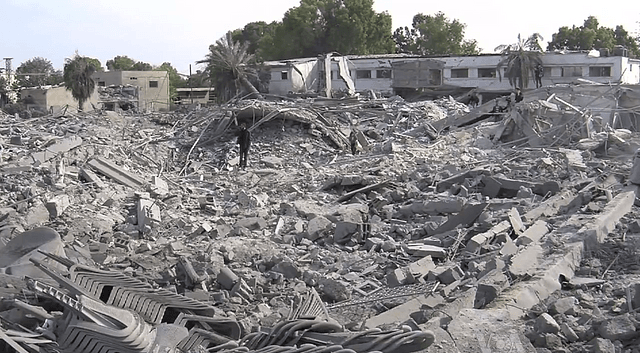
The root of the crisis lies in the near-total breakdown of sanitation infrastructure after prolonged conflict. Waste collection systems have stopped functioning in many areas, leaving garbage to accumulate in large, unmanaged heaps.
- Uncontrolled Waste: Piles of garbage, stagnant sewage, and debris have created ideal breeding conditions for rats and mice.
- Widespread Presence: Reports from United Nations Office for the Coordination of Humanitarian Affairs indicate that a vast majority of displacement shelters are now affected by rodent activity.
In addition to spreading disease, rodents are causing direct harm. Medical workers have observed an increase in bite-related injuries, especially among vulnerable groups such as children and elderly individuals.
Children Face the Greatest Risk
The situation is particularly severe for displaced children living in overcrowded camps.
- High Exposure: Around two-thirds of children in Gaza are currently residing in conditions where rodents and pests are common.
- Health Impact: Beyond bites, many are suffering from skin infections, lice infestations, and other hygiene-related illnesses.
Organizations such as World Health Organization and Save the Children have warned that these conditions significantly increase the risk of long-term health complications.
Rising Threat of Infectious Diseases
Medical experts are increasingly concerned about diseases that can spread from animals to humans.
- Contaminated Water: Rodent waste is entering already limited water supplies, raising the risk of infections such as leptospirosis.
- Serious Epidemic Risk: Although rare today, diseases historically linked to rodents—including plague—are being discussed as a potential risk due to the scale of infestation and lack of control measures.
- Compounding Illnesses: Conditions like scabies, respiratory infections, and stomach-related diseases are spreading rapidly, particularly among malnourished children.
Barriers to Containment
Efforts to control the situation are being hindered by limited access to essential resources.
- Restricted Supplies: Pest-control materials, including rodenticides, are difficult to obtain.
- Overstretched Healthcare: Medical facilities are already under pressure and struggling to manage the growing number of cases.
Without intervention, the situation is expected to worsen, especially with rising temperatures that can accelerate the breeding cycle of pests.
Urgent Need for Intervention
Humanitarian agencies are calling for immediate action to prevent a full-scale health disaster.
Key priorities include:
- Delivery of medical supplies such as antibiotics and treatments for skin infections
- Large-scale pest control measures to reduce rodent populations
- Restoration of basic sanitation services, including waste removal and access to clean water
A Crisis Beyond the Battlefield
While conflict continues to dominate attention, this emerging health emergency highlights another dimension of the humanitarian situation in Gaza. The combination of poor sanitation, overcrowding, and limited medical resources has created conditions where a preventable crisis could escalate rapidly.
Unless swift and coordinated action is taken, the threat of a widespread disease outbreak may soon become one of the most serious challenges facing the region.