


June 11, 2026
Every year on June 11, wildlife conservationists, environmental organizations, and nature lovers around the world observe International Lynx Day, a global awareness event dedicated to one of the most elusive and fascinating wild cats on the planet—the lynx. The day aims to highlight the importance of lynx conservation and promote efforts to protect the habitats that these remarkable animals depend upon for survival.
Often referred to as the “ghost of the forest” because of its secretive nature, the lynx is rarely seen in the wild. Despite its low profile, this wild cat plays a crucial role in maintaining ecological balance by controlling populations of smaller mammals and helping keep forest ecosystems healthy.
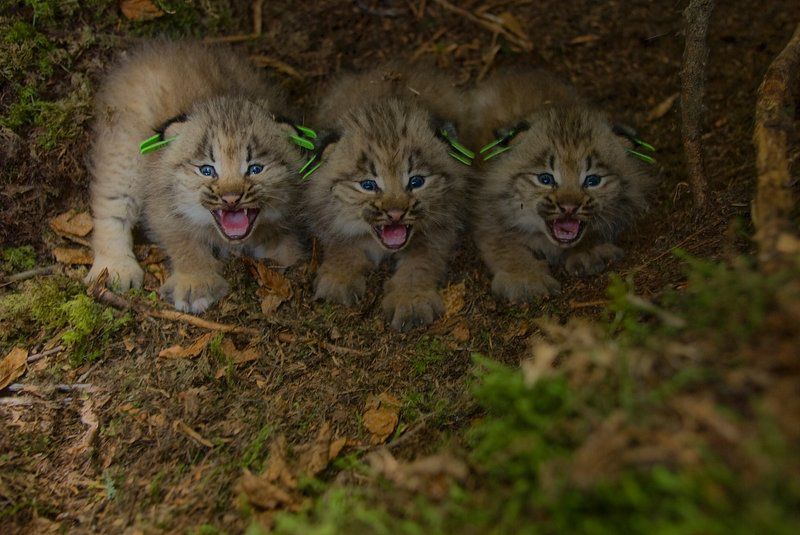
The lynx is easily recognized by its tufted ears, thick fur, powerful legs, and short tail. Adapted to harsh climates, these cats are found across parts of Europe, Asia, and North America. There are four main species of lynx: the Eurasian Lynx, Canada Lynx, Iberian Lynx, and Bobcat. Each species has evolved to thrive in different environments, from snowy northern forests to Mediterranean landscapes.
International Lynx Day also serves as a reminder of the challenges facing wildlife conservation. Habitat loss, deforestation, climate change, illegal hunting, and expanding human settlements continue to threaten lynx populations in many regions. Conservation groups warn that without sustained protection efforts, some lynx populations could face significant declines in the future.
One of the most inspiring wildlife success stories involves the Iberian Lynx. Once considered the world’s most endangered wild cat, its population has recovered significantly thanks to habitat restoration, captive breeding programs, and strict conservation measures. Experts cite this achievement as proof that dedicated conservation efforts can reverse the decline of endangered species.
Across Europe and North America, environmental organizations are marking International Lynx Day through educational campaigns, wildlife exhibitions, conservation projects, and public awareness programs. These initiatives aim to encourage people to support habitat protection and learn more about the vital role predators play in nature.
Scientists emphasize that lynxes are important indicators of ecosystem health. A stable lynx population often reflects a healthy forest environment with sufficient prey and biodiversity. Protecting lynxes therefore benefits countless other plant and animal species that share the same habitat.
As the world observes International Lynx Day 2026, conservationists are calling for greater international cooperation to protect wildlife corridors, reduce habitat fragmentation, and strengthen environmental policies. They argue that safeguarding species like the lynx is essential not only for biodiversity but also for preserving the natural heritage of future generations.
This year’s observance is a celebration of both the beauty of the lynx and the ongoing efforts to ensure that this iconic wild cat continues to roam the forests of the world for years to come.