


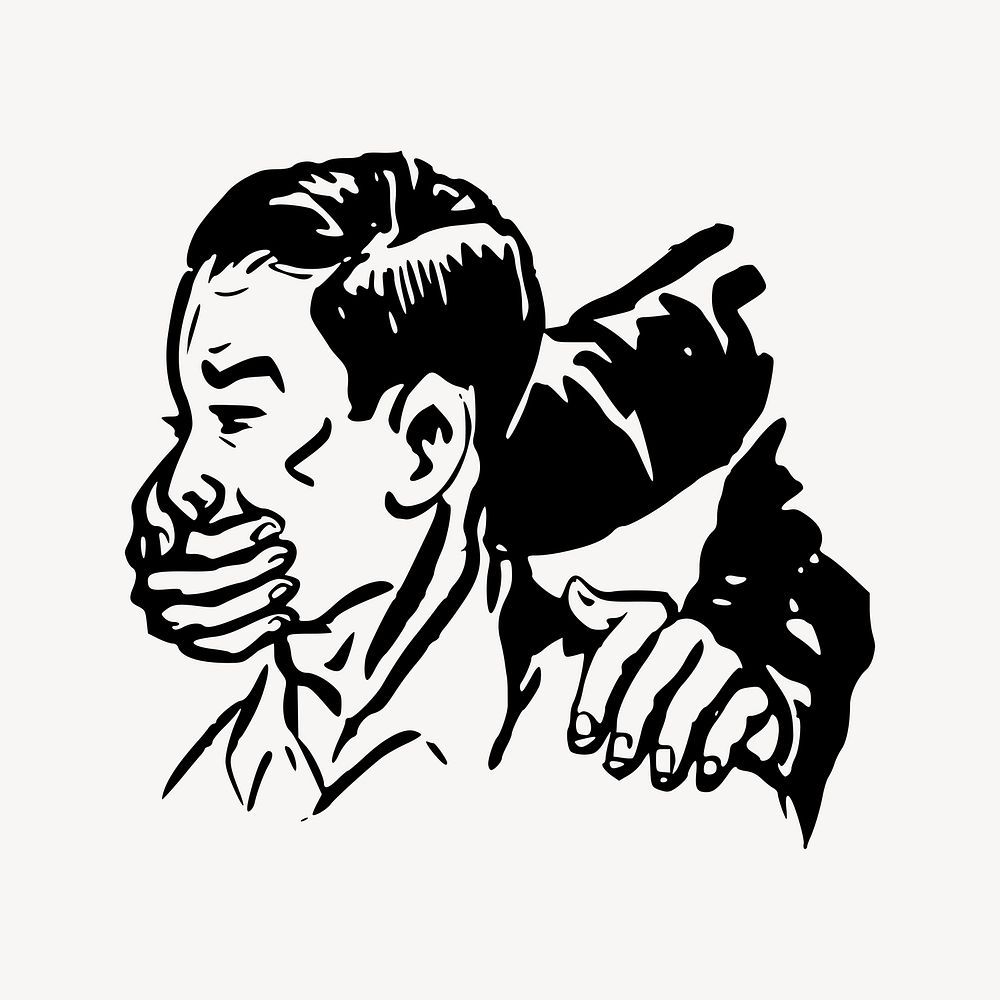
London: A growing debate is unfolding across the United Kingdom as critics raise concerns that proposed online censorship and content-regulation measures could have consequences extending far beyond their stated objectives. While supporters argue that the legislation is designed to improve online safety and combat harmful content, opponents claim the measures may significantly increase government oversight of digital activity.
The controversy has sparked widespread discussion among privacy advocates, civil liberties organizations, technology experts, and political commentators. Many critics argue that laws presented as tools for protecting citizens from harmful online material could potentially create mechanisms enabling broader monitoring of internet users.
One of the central concerns raised by opponents is the possibility that enhanced content regulation may require digital platforms to collect, verify, or share greater amounts of user information. Critics warn that such requirements could gradually expand the government’s ability to track online behavior, communications patterns, and digital identities.
Supporters of the legislation strongly reject these allegations. They maintain that the purpose of the proposed measures is to safeguard users, particularly children, from harmful content, online exploitation, and illegal activities. Government officials have emphasized that privacy protections and legal safeguards remain in place and that any enforcement actions would be subject to existing laws and oversight mechanisms.
The disagreement reflects a broader global challenge facing democratic societies in the digital age. Governments worldwide are attempting to balance online safety, national security, and the protection of free expression while ensuring that privacy rights are not compromised. As technology continues to evolve, the question of how much regulation is necessary—and how much is too much—has become increasingly contentious.
Privacy advocates argue that transparency is essential. They are calling for greater public scrutiny of the legislation, clearer explanations regarding data collection practices, and stronger guarantees that surveillance powers cannot be expanded beyond their intended purpose. Some campaigners have urged lawmakers to publish detailed impact assessments outlining how the measures could affect individual privacy rights.
Technology industry representatives have also expressed interest in ensuring that regulatory requirements are practical and proportionate. They caution that overly broad compliance obligations could create challenges for digital platforms while potentially affecting user trust.
As parliamentary discussions and public consultations continue, the debate highlights a fundamental issue facing modern societies: how to protect citizens in the digital environment without undermining personal freedoms and privacy. Whether the proposed measures ultimately strengthen online safety, expand government oversight, or strike a balance between the two remains a subject of intense public and political discussion.
The outcome of the debate is likely to influence not only the future of internet governance in the United Kingdom but also broader international conversations about digital rights, surveillance, and freedom of expression in the twenty-first century.
London: A growing debate is unfolding across the United Kingdom as critics raise concerns that proposed online censorship and content-regulation measures could have consequences extending far beyond their stated objectives. While supporters argue that the legislation is designed to improve online safety and combat harmful content, opponents claim the measures may significantly increase government oversight of digital activity.
The controversy has sparked widespread discussion among privacy advocates, civil liberties organizations, technology experts, and political commentators. Many critics argue that laws presented as tools for protecting citizens from harmful online material could potentially create mechanisms enabling broader monitoring of internet users.
One of the central concerns raised by opponents is the possibility that enhanced content regulation may require digital platforms to collect, verify, or share greater amounts of user information. Critics warn that such requirements could gradually expand the government’s ability to track online behavior, communications patterns, and digital identities.
Supporters of the legislation strongly reject these allegations. They maintain that the purpose of the proposed measures is to safeguard users, particularly children, from harmful content, online exploitation, and illegal activities. Government officials have emphasized that privacy protections and legal safeguards remain in place and that any enforcement actions would be subject to existing laws and oversight mechanisms.
The disagreement reflects a broader global challenge facing democratic societies in the digital age. Governments worldwide are attempting to balance online safety, national security, and the protection of free expression while ensuring that privacy rights are not compromised. As technology continues to evolve, the question of how much regulation is necessary—and how much is too much—has become increasingly contentious.
Privacy advocates argue that transparency is essential. They are calling for greater public scrutiny of the legislation, clearer explanations regarding data collection practices, and stronger guarantees that surveillance powers cannot be expanded beyond their intended purpose. Some campaigners have urged lawmakers to publish detailed impact assessments outlining how the measures could affect individual privacy rights.
Technology industry representatives have also expressed interest in ensuring that regulatory requirements are practical and proportionate. They caution that overly broad compliance obligations could create challenges for digital platforms while potentially affecting user trust.
As parliamentary discussions and public consultations continue, the debate highlights a fundamental issue facing modern societies: how to protect citizens in the digital environment without undermining personal freedoms and privacy. Whether the proposed measures ultimately strengthen online safety, expand government oversight, or strike a balance between the two remains a subject of intense public and political discussion.
The outcome of the debate is likely to influence not only the future of internet governance in the United Kingdom but also broader international conversations about digital rights, surveillance, and freedom of expression in the twenty-first century.