


NEW DELHI — India’s agricultural research sector has achieved a significant scientific milestone with the development of two advanced genome-edited rice varieties, DRR Dhan 100 and DST Rice 1. Developed by the Indian Council of Agricultural Research (ICAR), these new varieties are expected to contribute to higher productivity, improved crop performance, and greater sustainability in rice cultivation.
The achievement highlights the growing role of modern biotechnology in addressing some of the most pressing challenges facing agriculture today. As populations increase, climate patterns become less predictable, and pressure on natural resources intensifies, scientists around the world are exploring innovative approaches to enhance food production while reducing environmental impact.
Genome editing has emerged as one of the most promising tools in this effort. Unlike traditional breeding methods that can take many years to achieve desired traits, genome-editing techniques allow researchers to make precise modifications within a plant’s existing genetic framework. The objective is to improve characteristics such as yield, resilience, maturity period, and grain quality while preserving the strengths of established crop varieties.
The newly developed rice varieties are designed to offer several advantages for farmers. Higher yield potential can help increase productivity from the same area of land, an important consideration in a country where agricultural land resources are under growing pressure. Improved grain quality can enhance market value and consumer acceptance, while early maturity may provide greater flexibility in crop management and planting schedules.
One of the most significant benefits of early-maturing crops is their ability to reduce the duration of field occupancy. This can allow farmers to plan additional cropping cycles, improve resource utilization, and better adapt to changing weather conditions. Shorter crop durations may also contribute to more efficient water and input management in certain farming systems.
Agricultural experts view scientific innovation as a critical component of future food security. Rice remains a staple food for billions of people worldwide and plays a central role in India’s agricultural economy. Enhancing the productivity and efficiency of rice cultivation is therefore closely linked to broader goals related to food availability, farmer income, and rural development.
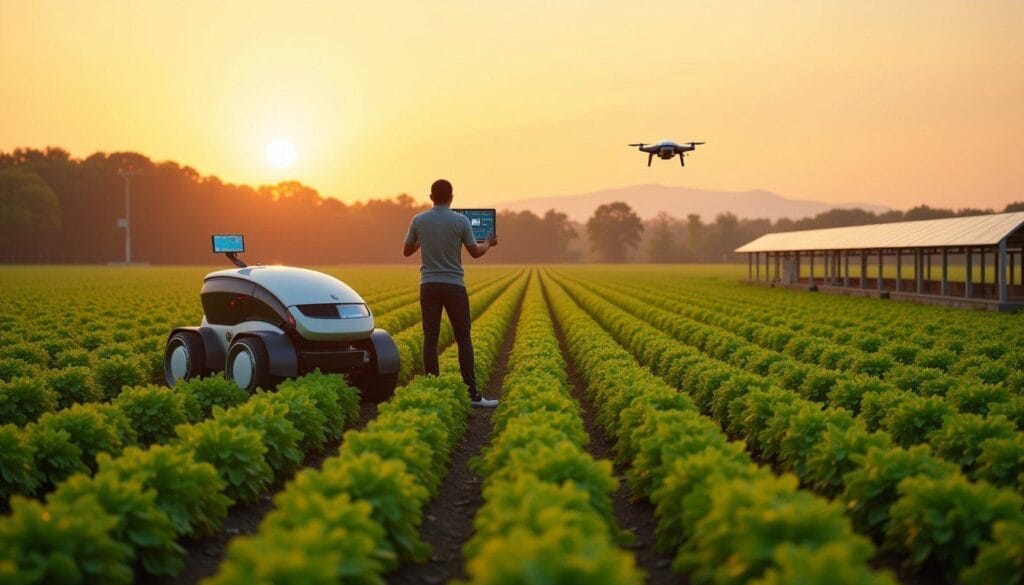
The development of genome-edited rice varieties also reflects the increasing integration of advanced science into agriculture. Research institutions are investing heavily in technologies that combine genetics, data analysis, precision farming, and environmental sustainability to create solutions tailored to modern agricultural challenges.
Sustainability remains a key consideration in this transformation. Future agricultural growth will require producing more food while using resources such as land, water, and energy more efficiently. Innovations that improve productivity without placing additional pressure on natural ecosystems are increasingly viewed as essential for long-term agricultural resilience.
For farmers, access to improved crop varieties can be a valuable tool for managing risks associated with changing climatic conditions, pest pressures, and market demands. While no single technology can solve every challenge facing agriculture, advances in crop science provide additional options that can support more stable and productive farming systems.
The achievement also reinforces India’s position as an important contributor to global agricultural research. Over the decades, Indian scientists have played a significant role in developing crop varieties, farming practices, and technological innovations that have strengthened food production and supported millions of farming households.
As research continues, genome editing is expected to play an increasingly important role in crop improvement programs. Scientists are exploring its potential across a wide range of crops, aiming to develop varieties that can better withstand environmental stresses, deliver higher yields, and contribute to sustainable agricultural development.
The introduction of DRR Dhan 100 and DST Rice 1 represents more than a scientific accomplishment. It reflects a broader commitment to combining innovation with practical farming needs, helping create agricultural systems capable of meeting future food demands while supporting farmer prosperity and environmental sustainability.
In an era where food security and climate resilience have become global priorities, advances in agricultural science are likely to remain at the forefront of efforts to build a more productive, sustainable, and resilient future for farming.