


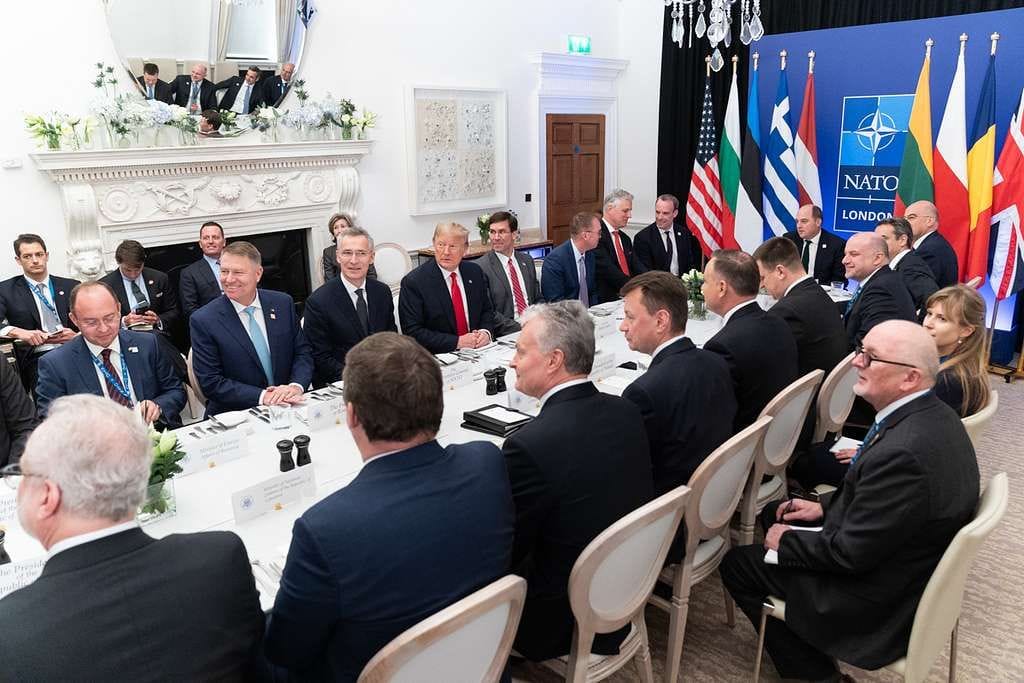
Brussels/Reykjavik, June 2026 — As Iceland commemorates its National Day, messages of congratulations and solidarity have poured in from across the transatlantic community, highlighting the country’s enduring contribution to democracy, international cooperation, and collective security. The occasion serves not only as a celebration of Iceland’s national identity but also as a reminder of its important role within the NATO alliance and the broader international community.
National Day marks a significant moment in Iceland’s history, reflecting the country’s journey as a sovereign nation and its commitment to democratic governance, peaceful development, and global engagement. This year’s celebrations have drawn attention to the strong partnerships that Iceland has cultivated over decades, particularly within NATO.
A Nation Shaped by Resilience
Situated in the North Atlantic, Iceland is known for its dramatic landscapes, volcanic terrain, glaciers, and unique natural environment. Yet beyond its geographical features lies a story of resilience and determination that has defined the nation throughout its history.
Iceland’s people have long adapted to challenging environmental conditions while building a society recognized for high living standards, strong democratic institutions, and social cohesion. The country’s success in balancing economic development, environmental stewardship, and innovation has earned international recognition.
National Day provides an opportunity for citizens to reflect on these achievements and celebrate the values that continue to shape Icelandic society.
The Significance of June 17
Iceland’s National Day commemorates the establishment of the Republic of Iceland in 1944, a historic milestone that marked the country’s emergence as an independent republic.
The date also honors the legacy of Jón Sigurðsson, whose leadership and advocacy played a crucial role in Iceland’s struggle for greater self-determination.
Across the country, celebrations traditionally feature cultural events, public gatherings, speeches, music performances, and community activities that highlight Iceland’s rich heritage and national pride.
The day remains one of the most important occasions in Iceland’s annual calendar.
Iceland’s Role in NATO
Although Iceland does not maintain a standing military force, it occupies a strategically significant position within the North Atlantic region and has been an active member of the North Atlantic Treaty Organization since the alliance’s founding in 1949.
Its geographic location between North America and Europe gives Iceland an important role in transatlantic security and cooperation. Over the decades, the country has contributed to NATO’s objectives through hosting strategic infrastructure, supporting alliance operations, and participating in various cooperative initiatives.
Iceland’s engagement demonstrates that contributions to collective security can take many forms beyond traditional military capabilities.
Strength Through Partnership
One of the defining principles of NATO is the idea that collective security is strengthened when member nations work together to address common challenges. Iceland’s participation in the alliance reflects this commitment to cooperation and shared responsibility.
In an increasingly complex security environment, alliance members continue to collaborate on issues ranging from maritime security and cyber resilience to disaster response and strategic stability.
The celebration of Iceland’s National Day within the alliance context underscores the importance of unity, mutual support, and common values among partner nations.
A Leader in Sustainability and Innovation
Beyond security cooperation, Iceland has earned global recognition for its achievements in renewable energy, environmental sustainability, and technological innovation.
The country has become a leading example of how geothermal and hydroelectric resources can be harnessed to support economic growth while minimizing environmental impact. Its experience in renewable energy development has attracted attention from policymakers, researchers, and industry leaders worldwide.
Iceland’s innovative approach to sustainability demonstrates how smaller nations can play influential roles in addressing global challenges.
Cultural Heritage and Global Influence
Despite its relatively small population, Iceland has made a remarkable cultural impact on the international stage. Icelandic literature, music, art, film, and design have gained global audiences, contributing to the country’s distinctive identity.
The nation’s strong literary tradition, rooted in centuries-old sagas and storytelling, continues to influence contemporary culture. Icelandic artists, musicians, and writers have successfully connected local traditions with global audiences, enhancing the country’s international profile.
National Day celebrations often showcase these cultural achievements while reinforcing a sense of shared heritage and national unity.
Democracy and International Engagement
Iceland consistently ranks among the world’s leading democracies and is recognized for its commitment to human rights, transparency, and good governance.
The country’s active participation in international organizations reflects a broader commitment to multilateral cooperation and peaceful engagement. Through diplomacy, development initiatives, and international partnerships, Iceland continues to contribute to addressing global issues and promoting shared solutions.
Its example demonstrates how democratic values and international cooperation can work together to support stability and progress.
Celebrating Shared Values
As allies and partners extend their greetings on Iceland’s National Day, the occasion highlights more than a historical anniversary. It celebrates the values that unite democratic nations—freedom, cooperation, resilience, and respect for the rule of law.
For NATO members and the wider international community, Iceland’s journey offers an example of how determination, innovation, and strong institutions can contribute to national success.
The celebrations also reaffirm the importance of friendship and collaboration in addressing the opportunities and challenges of the modern world.
Looking to the Future
As Iceland marks another National Day, attention is not only focused on the achievements of the past but also on the opportunities that lie ahead. Continued advances in sustainability, innovation, education, and international cooperation are expected to shape the country’s future development.
For citizens, allies, and friends around the world, the occasion serves as a reminder of Iceland’s enduring contributions to global cooperation and its role as a respected member of the international community.
The celebration of National Day therefore stands as both a tribute to Iceland’s history and an expression of confidence in its future—a future built on resilience, partnership, and a continued commitment to shared democratic values.