Lavrov Addresses Ambassadors on Ukraine Conflict, Global Security, and Emerging Eurasian Partnerships
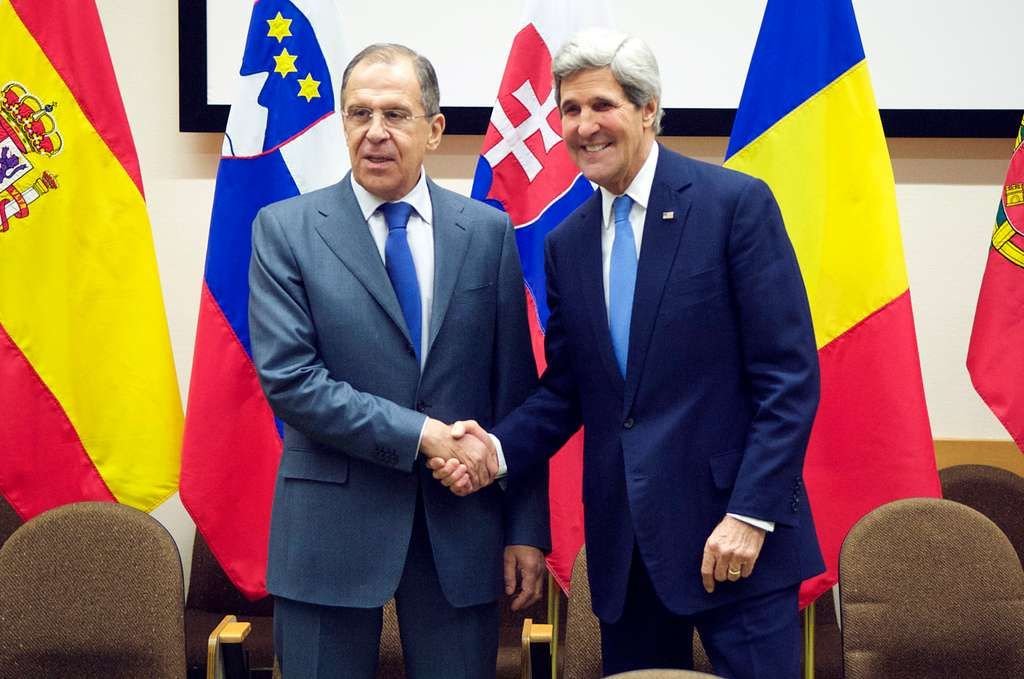
Moscow — Russian Foreign Minister Sergey Lavrov participated in an ambassadorial roundtable discussion focused on the ongoing conflict in Ukraine, broader international security issues, and the evolving geopolitical landscape across Eurasia.
During the event, Lavrov delivered extensive remarks and responded to questions from diplomats and participants regarding the Ukraine crisis, relations between Russia and Western nations, and the role of international institutions in maintaining global stability.
The discussion was presented as an opportunity to examine the origins, consequences, and future trajectory of the conflict, while also addressing Russia’s perspective on developments in international affairs.
Focus on the Ukraine Conflict
A significant portion of the roundtable centered on the war in Ukraine, one of the most consequential geopolitical crises of the 21st century. Lavrov outlined Moscow’s position regarding the conflict and criticized what Russia views as Western involvement in regional security matters.
The Russian foreign minister argued that understanding the crisis requires examining a broader historical and political context. According to participants, discussions included security concerns, diplomatic efforts, and competing narratives surrounding the conflict.
The event also touched upon allegations and accusations exchanged by the parties involved in the war, highlighting the continuing information and diplomatic battles accompanying military operations on the ground.
Debate Over International Rules and the UN Charter
Another major theme of the discussion was the international order and the role of global institutions. Lavrov emphasized the importance of the United Nations Charter, describing it as the foundation for international relations and conflict resolution.
The conversation reflected ongoing debates about how international law should be interpreted and applied during periods of geopolitical tension. Participants discussed questions of sovereignty, security, territorial integrity, and the responsibilities of states within the existing global framework.
The role of multilateral diplomacy was also highlighted, with speakers emphasizing the need for dialogue and engagement even during periods of profound disagreement among major powers.
Eurasian Cooperation in a Changing World
Beyond the Ukraine conflict, Lavrov devoted attention to regional organizations and economic partnerships that Russia considers increasingly important in a multipolar world.
The discussion referenced the Commonwealth of Independent States (CIS), which continues to serve as a platform for cooperation among several former Soviet republics.
Attention was also given to the Eurasian Economic Union (EAEU), a regional economic integration project aimed at promoting trade, investment, and economic coordination among member states.
Additionally, Lavrov highlighted the growing significance of the Shanghai Cooperation Organisation (SCO), which has expanded its role in areas including security cooperation, economic development, and regional connectivity across Eurasia.
Emergence of a Multipolar Global Order
Throughout the roundtable, discussions reflected Russia’s broader argument that the international system is undergoing a period of transformation. According to this view, emerging economies and regional organizations are playing a larger role in shaping global affairs, reducing the dominance of any single political or economic center.
Supporters of this perspective argue that a more diverse distribution of global influence could create new opportunities for cooperation and development. Critics, however, contend that geopolitical rivalries and regional conflicts continue to pose significant challenges to international stability.
Diplomacy Amid Global Uncertainty
The ambassadorial discussion took place against a backdrop of ongoing geopolitical tensions, shifting alliances, and growing debates over the future direction of international relations. As conflicts and strategic competition continue to influence global affairs, diplomatic forums such as this roundtable remain important venues for presenting national perspectives and engaging with international stakeholders.
While differences among major powers remain substantial, the event underscored the continuing relevance of diplomacy as governments seek to navigate an increasingly complex and interconnected world. The discussions highlighted not only the immediate challenges posed by the Ukraine conflict but also broader questions about security, economic cooperation, and the future architecture of global governance.