U.S.–Iran Standoff Enters Sixth Month as Diplomatic Signals Clash and Global Markets Remain on Edge
The prolonged U.S.–Iran confrontation illustrates how modern geopolitical conflicts increasingly affect the global economy even without full-scale warfare. Competing diplomatic narratives, military deterrence, and the strategic importance of the Strait of Hormuz continue to influence energy prices, shipping security, and investor confidence. Sustainable de-escalation will likely require credible indirect diplomacy supported by regional mediators and confidence-building measures that reduce the risk of accidental military escalation.
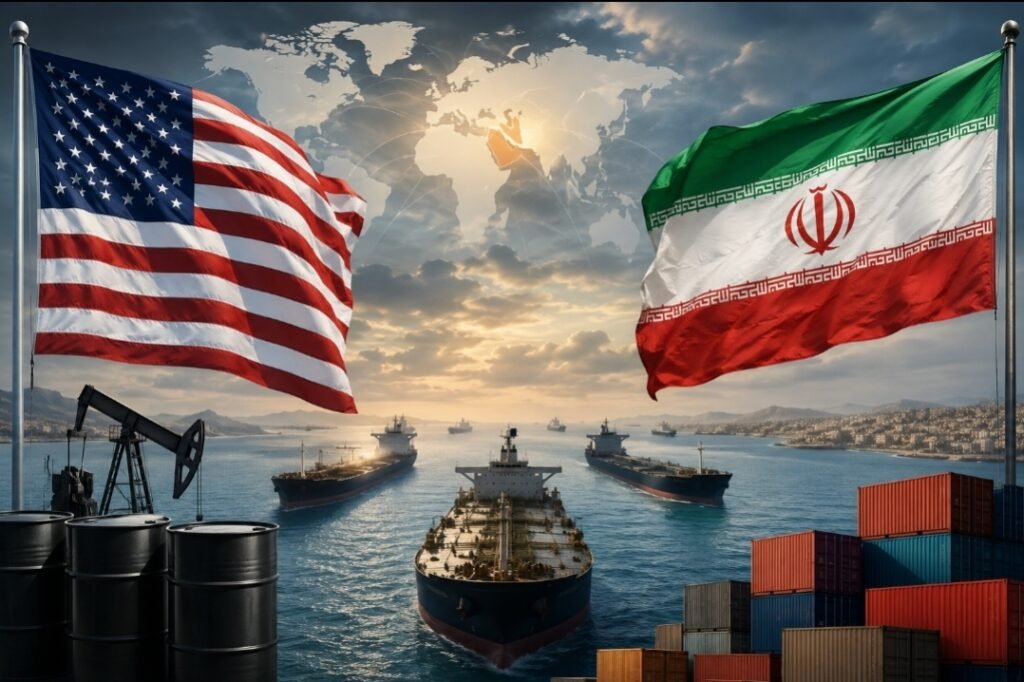
The confrontation between the United States and Iran has entered its sixth month, marking one of the most prolonged and unpredictable periods of tension between the two nations in recent years. What initially appeared to be a short-lived military and diplomatic crisis has evolved into a wider geopolitical challenge affecting international shipping, energy markets, regional security, and global economic confidence.
Although leaders on both sides continue to speak publicly about diplomacy, conflicting statements have created uncertainty over whether meaningful negotiations are actually underway. At the same time, strategic waterways remain under close watch, military forces continue operating across the region, and governments are urging their citizens to remain prepared for further escalation.
Diplomatic Claims Meet Official Denials
One of the most striking developments has been the contradiction between Washington and Tehran regarding possible negotiations.
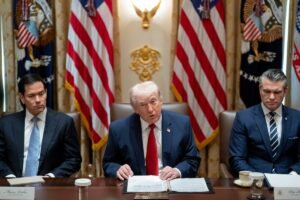
U.S. President Donald Trump recently suggested that opportunities for direct discussions with Iran were emerging. According to the President, military action was postponed in order to provide room for diplomacy and avoid a further escalation of hostilities.
Iranian officials, however, have firmly rejected those claims. Tehran insists that no direct negotiations with the United States are currently taking place. Officials have repeatedly emphasized that reports of bilateral talks are inaccurate and do not reflect Iran’s official diplomatic position.
This sharp difference in public messaging has complicated international efforts to assess whether the crisis is moving toward dialogue or remaining on a path of confrontation.
Oman Emerges as an Important Diplomatic Channel
While denying direct talks with Washington, Iran has confirmed that it remains engaged with Oman.
Oman has long played the role of a trusted regional mediator during periods of heightened tension in the Middle East. In the current situation, discussions reportedly focus on practical issues, including temporary maritime arrangements intended to reduce risks to commercial shipping.
Although these conversations are not considered formal peace negotiations, they demonstrate that communication channels remain open through neutral partners. Many diplomatic observers believe that such indirect contacts can help prevent misunderstandings even when official political relations remain strained.
Strait of Hormuz Remains at the Center of Global Attention
Few locations are as strategically important as the Strait of Hormuz.
The narrow waterway connects the Persian Gulf with international shipping lanes and carries a significant share of the world’s crude oil and liquefied natural gas exports. Any disruption to navigation through the strait immediately raises concerns among governments, shipping companies, insurers, and financial markets.
Throughout the ongoing conflict, military patrols, surveillance operations, and shipping security have received increased attention. Even without a complete closure of the route, uncertainty alone has been enough to increase transportation costs and insurance premiums for vessels operating in the region.
Energy-importing nations continue monitoring developments closely because any prolonged disruption could affect fuel supplies worldwide.
Military Pressure Continues Despite Diplomatic Messaging
President Trump stated that planned military strikes against Iran were ultimately called off to preserve the possibility of negotiations.
While the decision reduced the immediate risk of a wider confrontation, military readiness has not diminished. Both countries continue maintaining strong defensive and operational postures across the region.
Analysts note that such situations remain highly sensitive because unexpected incidents involving naval forces, aircraft, or regional proxy groups could rapidly escalate into broader military action even without either government seeking a full-scale war.
The balance between deterrence and diplomacy therefore remains extremely fragile.
Security Advisories Reflect Continuing Uncertainty
The United States has issued updated advisories encouraging American citizens in parts of the Middle East to remain alert and be prepared to depart if security conditions deteriorate.
Such warnings do not necessarily indicate that immediate conflict is expected. Instead, they reflect the unpredictable nature of the regional security environment and encourage travelers to monitor official guidance carefully.
Many other governments continue reviewing contingency plans for their nationals while maintaining close coordination with diplomatic missions across the region.
Energy Markets Continue Responding to Geopolitical Risk
One of the most visible consequences of the prolonged crisis has been continued volatility in global energy markets.
Oil prices have experienced repeated fluctuations as investors react to military developments, diplomatic announcements, shipping concerns, and broader economic expectations.
Even when supply disruptions have been avoided, uncertainty itself has influenced market behavior. Traders often adjust prices based on perceived future risks rather than actual interruptions in production.
Higher transportation costs and insurance expenses have also contributed to increased pressure across international supply chains.
Consumers Feel the Impact at Fuel Stations
The effects of geopolitical uncertainty are also reaching ordinary consumers.
Recent figures indicate that average gasoline prices in Rochester stand at approximately $4.27 per gallon, slightly lower than the previous week’s average after a modest decline.
Nationally, average gasoline prices remain around $4.10 per gallon, illustrating that fuel costs continue to stay elevated compared with historical averages.
Although local prices vary depending on taxes, refining capacity, and regional demand, geopolitical instability remains one of the factors influencing overall fuel costs across the United States.
A Conflict Lasting Longer Than Expected
When tensions intensified earlier in 2026, many international observers anticipated either rapid negotiations or a short period of military confrontation.
Instead, the crisis has evolved into a prolonged strategic standoff.
Neither side appears willing to make major concessions, yet both also seem cautious about triggering a full-scale regional war. This has created a prolonged period of uncertainty characterized by military preparedness, economic pressure, diplomatic messaging, and intermittent political signaling.
Such extended confrontations often become increasingly difficult to resolve because political positions harden over time while regional alliances become more deeply involved.
Global Trade Faces Ongoing Challenges
The conflict’s effects extend well beyond the Middle East.
International shipping companies continue evaluating alternative routes, while businesses monitor transportation costs and delivery schedules. Financial markets also respond quickly to developments because energy prices influence inflation, manufacturing expenses, and consumer spending worldwide.
Countries heavily dependent on imported energy remain especially sensitive to events surrounding the Persian Gulf, making regional stability an issue of global economic importance rather than purely regional security.
Looking Ahead
Whether the coming months bring renewed diplomacy or increased confrontation remains uncertain.
Indirect communication through regional partners demonstrates that dialogue has not completely disappeared. At the same time, conflicting public statements from Washington and Tehran highlight the significant political distance that still separates both governments.
The international community continues encouraging restraint while emphasizing the importance of protecting maritime security, maintaining stable energy supplies, and preventing further military escalation.
As the sixth month of the crisis unfolds, governments, financial institutions, businesses, and ordinary citizens around the world will continue watching developments closely. The decisions taken by leaders in the coming weeks could shape not only the future of U.S.–Iran relations but also the stability of global energy markets and international trade for months to come.