India Records Lowest Monsoon Rainfall in More Than a Decade Amid El Niño Conditions

0

India has recorded its lowest monsoon rainfall in more than a decade during the June–September 2026 season, raising concerns over water availability, agriculture and the wider economic impact of weaker seasonal rains.
file 0000000059e882088d6c34dadffea33d6458425913912249759
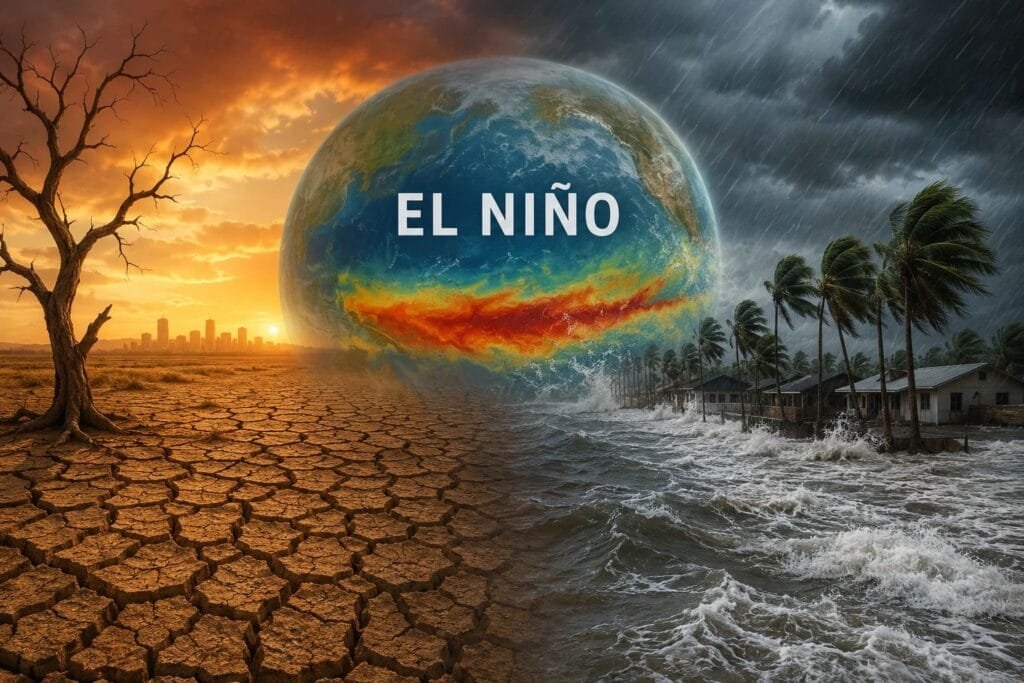
El Nino Al Generated Photo

The country received 12.6% less rainfall than its long-term average during this year’s southwest monsoon, according to a senior official from the India Meteorological Department. The shortfall is being linked in part to the influence of the current El Niño weather pattern.

Significant Rainfall Deficit

The southwest monsoon is crucial to India’s agricultural sector and supplies a substantial share of the country’s annual rainfall.

The 2026 season has therefore ended with a significant deficit compared with normal conditions. Below-average rainfall can affect crop production, reservoir levels, groundwater recharge and water availability in several parts of the country.

The impact can vary considerably between states and regions depending on the distribution and timing of rainfall.

El Niño Adds Weather Pressure

El Niño is a recurring climate pattern involving unusually warm sea-surface temperatures in the central and eastern tropical Pacific Ocean.

It can influence atmospheric circulation far beyond the Pacific and is often associated with drier-than-normal conditions over parts of South Asia.

The current El Niño is particularly strong, with tropical Pacific sea-surface temperatures reaching record levels, according to recent climate assessments.

Agriculture Faces Increased Risks

A weaker monsoon can create challenges for farmers, particularly in areas where agricultural production depends heavily on seasonal rainfall.

Lower precipitation may reduce soil moisture and increase the need for irrigation. Crops planted during the monsoon season can be affected if rainfall is insufficient or poorly distributed.

The consequences can extend beyond farms, potentially affecting food supplies, rural incomes and agricultural markets.

Water Resources Under Pressure

The rainfall deficit also has implications for India’s water resources.

Reservoirs, rivers and groundwater systems depend on seasonal rainfall for replenishment. A weak monsoon can therefore increase pressure on water supplies if dry conditions continue into subsequent months.

Urban areas may also face greater challenges in managing water demand if reservoirs and local water sources receive less recharge.

Climate Change Adds Long-Term Complexity

The latest monsoon performance comes against a backdrop of increasing global climate variability.

Scientists continue to study how rising global temperatures interact with natural climate patterns such as El Niño. Climate change does not determine every individual weather event, but warming can alter the background conditions in which weather patterns develop.

Recent global climate observations have also recorded unusually high temperatures and significant changes in ocean conditions.

Focus Turns to Water and Agriculture

With the 2026 monsoon season now ending, attention will shift toward assessing regional water availability, crop conditions and the potential effects of the rainfall deficit.

The coming months will be important for monitoring reservoir levels, winter rainfall and agricultural conditions.

India’s latest monsoon figures highlight the continuing importance of climate monitoring and water-management planning as natural climate variability and long-term global warming increasingly interact.


Leave a Reply

Your email address will not be published. Required fields are marked *

Latest News • Breaking News • National & International Updates

India Records Lowest Monsoon Rainfall in More Than a Decade Amid El Niño Conditions

Author:HIT AND HOT NEWS Desk|Published:October 1, 2026

India has recorded its lowest monsoon rainfall in more than a decade during the June–September 2026 season, raising concerns over water availability, agriculture and the wider economic impact of weaker seasonal rains.

file 0000000059e882088d6c34dadffea33d6458425913912249759
El Nino Al Generated Photo

The country received 12.6% less rainfall than its long-term average during this year’s southwest monsoon, according to a senior official from the India Meteorological Department. The shortfall is being linked in part to the influence of the current El Niño weather pattern.

Significant Rainfall Deficit

The southwest monsoon is crucial to India’s agricultural sector and supplies a substantial share of the country’s annual rainfall.

The 2026 season has therefore ended with a significant deficit compared with normal conditions. Below-average rainfall can affect crop production, reservoir levels, groundwater recharge and water availability in several parts of the country.

The impact can vary considerably between states and regions depending on the distribution and timing of rainfall.

El Niño Adds Weather Pressure

El Niño is a recurring climate pattern involving unusually warm sea-surface temperatures in the central and eastern tropical Pacific Ocean.

It can influence atmospheric circulation far beyond the Pacific and is often associated with drier-than-normal conditions over parts of South Asia.

The current El Niño is particularly strong, with tropical Pacific sea-surface temperatures reaching record levels, according to recent climate assessments.

Agriculture Faces Increased Risks

A weaker monsoon can create challenges for farmers, particularly in areas where agricultural production depends heavily on seasonal rainfall.

Lower precipitation may reduce soil moisture and increase the need for irrigation. Crops planted during the monsoon season can be affected if rainfall is insufficient or poorly distributed.

The consequences can extend beyond farms, potentially affecting food supplies, rural incomes and agricultural markets.

Water Resources Under Pressure

The rainfall deficit also has implications for India’s water resources.

Reservoirs, rivers and groundwater systems depend on seasonal rainfall for replenishment. A weak monsoon can therefore increase pressure on water supplies if dry conditions continue into subsequent months.

Urban areas may also face greater challenges in managing water demand if reservoirs and local water sources receive less recharge.

Climate Change Adds Long-Term Complexity

The latest monsoon performance comes against a backdrop of increasing global climate variability.

Scientists continue to study how rising global temperatures interact with natural climate patterns such as El Niño. Climate change does not determine every individual weather event, but warming can alter the background conditions in which weather patterns develop.

Recent global climate observations have also recorded unusually high temperatures and significant changes in ocean conditions.

Focus Turns to Water and Agriculture

With the 2026 monsoon season now ending, attention will shift toward assessing regional water availability, crop conditions and the potential effects of the rainfall deficit.

The coming months will be important for monitoring reservoir levels, winter rainfall and agricultural conditions.

India’s latest monsoon figures highlight the continuing importance of climate monitoring and water-management planning as natural climate variability and long-term global warming increasingly interact.