US Supreme Court Allows Trump Administration to Resume Third-Country Deportations for Now
The U.S. Supreme Court has temporarily allowed the Trump administration to resume deporting certain migrants to countries other than their countries of citizenship while the justices consider a legal challenge to the policy.
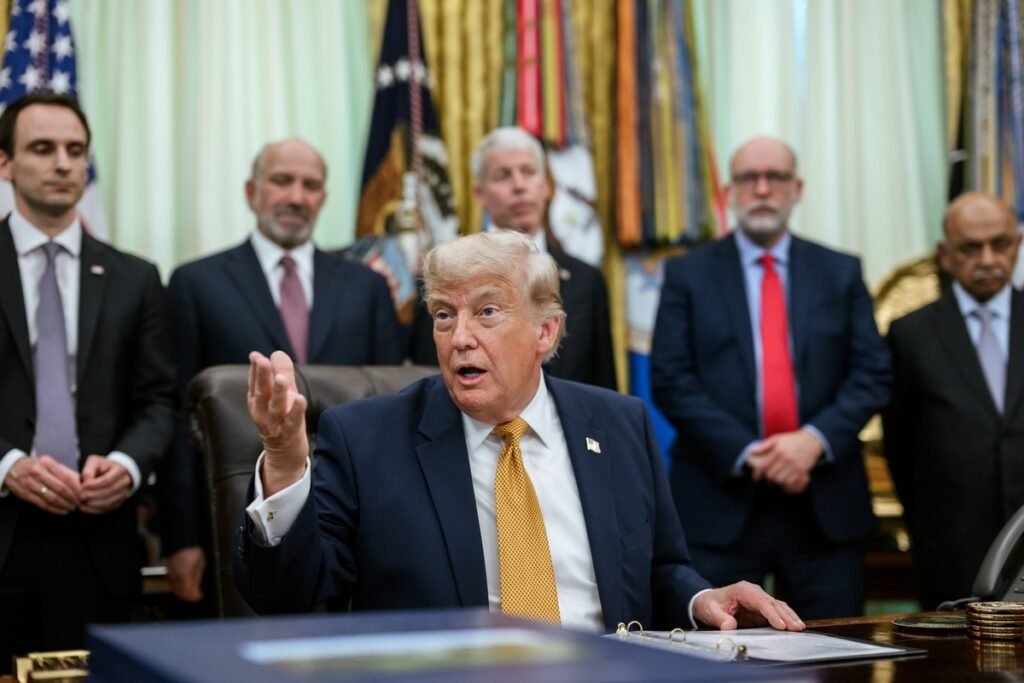
The decision gives the administration additional room to continue its third-country deportation program while the broader legal dispute moves through the courts.
Policy Under Legal Challenge
The Trump administration has used agreements with foreign governments to send some migrants to countries where they are not citizens.
The policy has faced legal challenges over whether people being removed must receive an opportunity to challenge their deportation before being transferred to another country.
The Supreme Court’s latest action does not represent a final ruling on the legality of the policy. Instead, it allows the administration to continue the practice temporarily while the justices consider the underlying case.
Administration Defends Deportation Approach
The administration has argued that third-country deportations are an important part of its broader immigration enforcement strategy.
Officials have sought agreements with multiple countries to accept migrants who cannot immediately be returned to their countries of origin.
Under the policy, people can potentially be transferred to another country after removal proceedings, depending on the circumstances and agreements involved.
Legal Questions Remain
The central legal dispute concerns procedural protections available to migrants facing removal to a third country.
Critics of the policy have argued that sending individuals to unfamiliar countries without adequate opportunity to challenge the decision could expose them to serious risks.
Government lawyers have defended the administration’s authority to carry out removals under federal immigration law.
The Supreme Court’s temporary decision leaves those broader legal questions unresolved.
Immigration Remains a Major Political Issue
Immigration policy has remained one of the most prominent issues in American politics during Trump’s presidency.
The administration has pursued stricter border enforcement, expanded deportation efforts and sought greater cooperation from foreign governments.
Supporters of the approach view third-country agreements as a way to expand the government’s ability to remove people who cannot easily be returned to their countries of origin. Opponents have raised concerns about due process and the conditions migrants could face after transfer.
What Happens Next
The Supreme Court is expected to consider the underlying legal questions before issuing a final decision.
Until then, the temporary order allows the administration to continue using third-country deportations within the scope permitted by the court.
The eventual ruling could have broader implications for the government’s immigration enforcement powers and the procedural protections available to migrants facing removal.