Netanyahu Rejects Gaza Withdrawal Proposal, Insists Hamas Must Disarm Before Any Israeli Pullback
The latest developments underscore that lasting peace in Gaza will require more than temporary ceasefire arrangements. Deep disagreements over security, governance, hostage releases, and the future administration of Gaza continue to complicate negotiations. A sustainable resolution will depend on credible security guarantees, expanded humanitarian access, and sustained diplomatic engagement from regional and international stakeholders. Until these core issues are addressed, the risk of renewed instability is likely to remain high.
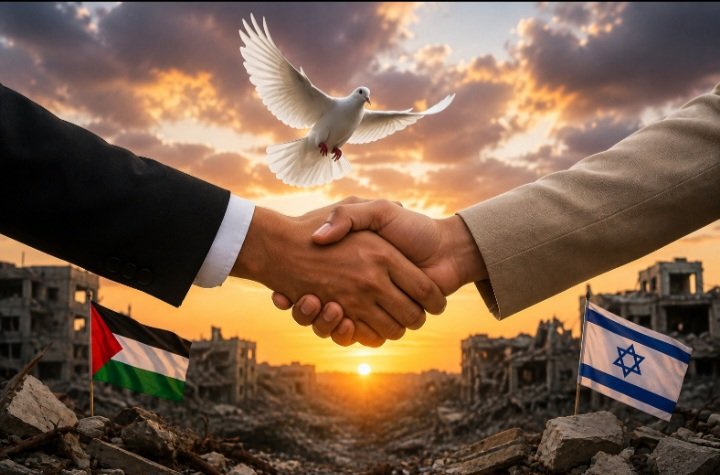
Israeli Prime Minister Benjamin Netanyahu has rejected key elements of a United States-backed proposal aimed at advancing the Gaza peace process, declaring that Israeli forces will not withdraw from their current positions until Hamas is completely disarmed. The announcement underscores the continuing challenges facing international efforts to secure a lasting ceasefire and stabilize the region after years of conflict.
Netanyahu’s remarks came amid renewed diplomatic activity involving the United States and regional mediators seeking to move the ceasefire process forward. While negotiations have continued behind closed doors, Israel’s latest position highlights significant differences over the conditions required before military disengagement can begin.
Israel Maintains Security as Top Priority
Addressing the proposed framework, Netanyahu emphasized that Israel considers the complete disarmament of Hamas to be a non-negotiable condition before any withdrawal of Israeli troops from Gaza.
According to the Israeli government, allowing Hamas to retain military capabilities could threaten Israel’s long-term security and create conditions for renewed violence. Officials argue that any sustainable peace agreement must prevent militant groups from rebuilding their military infrastructure.
The government’s position reflects Israel’s broader security doctrine, which prioritizes eliminating future threats before reducing its military presence.
Diplomatic Efforts Continue
The latest proposal has been supported by international mediators attempting to reduce tensions and create conditions for a broader political settlement.
Diplomatic discussions reportedly include issues such as:
- Long-term ceasefire arrangements.
- Security guarantees.
- Humanitarian assistance.
- Reconstruction efforts.
- Governance in Gaza.
- Future hostage and prisoner-related negotiations.
Despite continued engagement among mediators, major disagreements remain over sequencing, implementation, and security requirements.
Humanitarian Situation Remains Severe
While negotiations continue, civilians inside Gaza continue to face difficult humanitarian conditions.
Many communities remain affected by damaged infrastructure, shortages of essential supplies, displacement, and limited access to healthcare and public services.
International humanitarian organizations continue calling for expanded aid deliveries and improved civilian protection while diplomatic efforts continue.
The humanitarian dimension remains one of the central concerns for governments and international agencies involved in negotiations.
International Reactions
The latest Israeli position has generated close attention from governments across the Middle East, Europe, and North America.
Many international leaders continue supporting negotiations aimed at preventing further escalation while encouraging both sides to work toward a durable political solution.
Regional mediators have emphasized that continued dialogue remains essential despite persistent differences between the parties.
Diplomatic observers believe negotiations are likely to continue, although achieving consensus remains difficult.
Security and Political Challenges
Experts note that the central disagreement revolves around balancing Israel’s security concerns with broader political and humanitarian objectives.
Israel argues that complete disarmament of Hamas is necessary before any military withdrawal can occur.
Meanwhile, mediators continue working to bridge differences regarding implementation timelines, monitoring mechanisms, and future governance arrangements.
Resolving these issues remains one of the biggest obstacles to a comprehensive agreement.
Impact on Regional Stability
Developments in Gaza continue to influence the broader Middle East security environment.
Neighboring countries closely monitor negotiations because prolonged instability could affect regional security, humanitarian conditions, and diplomatic relations.
Energy markets, international shipping routes, and broader geopolitical cooperation are also influenced by developments across the region.
Many analysts believe a durable agreement would contribute significantly to regional stability.
Challenges Ahead
Even if negotiations advance, implementing any agreement would require sustained international cooperation.
Key challenges include:
- Establishing effective security guarantees.
- Rebuilding damaged infrastructure.
- Expanding humanitarian assistance.
- Supporting long-term economic recovery.
- Creating stable governance mechanisms.
- Preventing renewed armed confrontation.
These objectives will require coordination among multiple governments and international organizations.
Looking Forward
Diplomatic channels remain open despite current disagreements.
Negotiators are expected to continue discussions aimed at narrowing differences between the parties while exploring practical steps toward reducing tensions.
Observers believe future progress will depend on political flexibility, confidence-building measures, and continued international mediation.
Although immediate breakthroughs remain uncertain, diplomatic efforts continue to seek a pathway toward lasting peace.
Conclusion
Prime Minister Benjamin Netanyahu’s rejection of the current Gaza withdrawal proposal demonstrates the complex security and political challenges surrounding ongoing peace negotiations. Israel’s insistence that Hamas must first be completely disarmed reflects its long-standing security priorities, while international mediators continue searching for common ground that could eventually lead to a sustainable ceasefire and long-term regional stability. As negotiations continue, the humanitarian situation and broader Middle East security landscape remain closely tied to the outcome of these diplomatic efforts.