India’s Uneven Monsoon Raises Fresh Concerns for Agriculture and Water Security
India’s increasingly uneven monsoon highlights the growing complexity of managing water resources in a changing climate. Simultaneous flooding in some regions and rainfall deficits in others underscore the need for stronger forecasting systems, climate-resilient agriculture, efficient water storage, and improved urban drainage infrastructure. Long-term adaptation will depend on integrating scientific weather predictions with sustainable farming practices and smarter water management to reduce the economic and environmental impacts of monsoon variability.
By Hit and Hot News | Climate & Environment
India’s southwest monsoon is once again demonstrating its increasingly unpredictable nature, bringing heavy rainfall to some regions while leaving many others with significant rainfall deficits. The uneven distribution of rainfall has raised fresh concerns among meteorologists, farmers, and policymakers, as agriculture, drinking water supplies, and reservoir levels depend heavily on a well-balanced monsoon season.
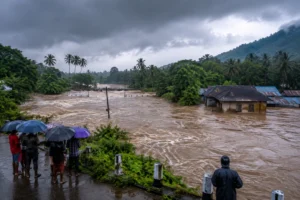
Recent weather patterns have produced intense downpours in several parts of the country, causing localized flooding, waterlogging, and landslides. At the same time, numerous districts continue to receive below-normal rainfall, highlighting the growing contrast between regions experiencing excess rain and those facing prolonged dry spells. The shifting nature of the monsoon has become one of the biggest environmental challenges for India’s climate-sensitive economy.
Rainfall Distribution Becomes Increasingly Uneven
Unlike a consistently wet monsoon season, recent rainfall has arrived in short, intense bursts. Some cities have recorded very heavy rain within a few hours, while nearby districts remain comparatively dry for days or even weeks.
Meteorologists explain that the total seasonal rainfall alone no longer provides a complete picture. The timing, intensity, and geographical distribution of rainfall have become equally important. Heavy rain concentrated over a short period often increases flood risks without adequately replenishing groundwater or benefiting agriculture.
Several regions continue to experience rainfall deficits despite isolated episodes of intense precipitation. This uneven pattern complicates farming decisions and increases uncertainty for rural communities.
Challenges for Farmers
Agriculture remains one of the sectors most directly affected by monsoon variability. Millions of farmers depend on timely rainfall for sowing, irrigation, and crop development.
When rains arrive late or remain inconsistent, farmers face difficult decisions regarding planting schedules. Delayed rainfall may reduce crop yields, while sudden heavy downpours can damage young plants, wash away nutrients, and erode fertile soil.
Rice, pulses, oilseeds, cotton, maize, and several other crops rely heavily on stable rainfall during critical growth stages. Even temporary interruptions in rainfall can affect production if irrigation facilities are unavailable.
Agricultural experts continue encouraging improved water management, drought-resistant crop varieties, and better weather forecasting to reduce farming risks.
Floods and Dry Conditions at the Same Time
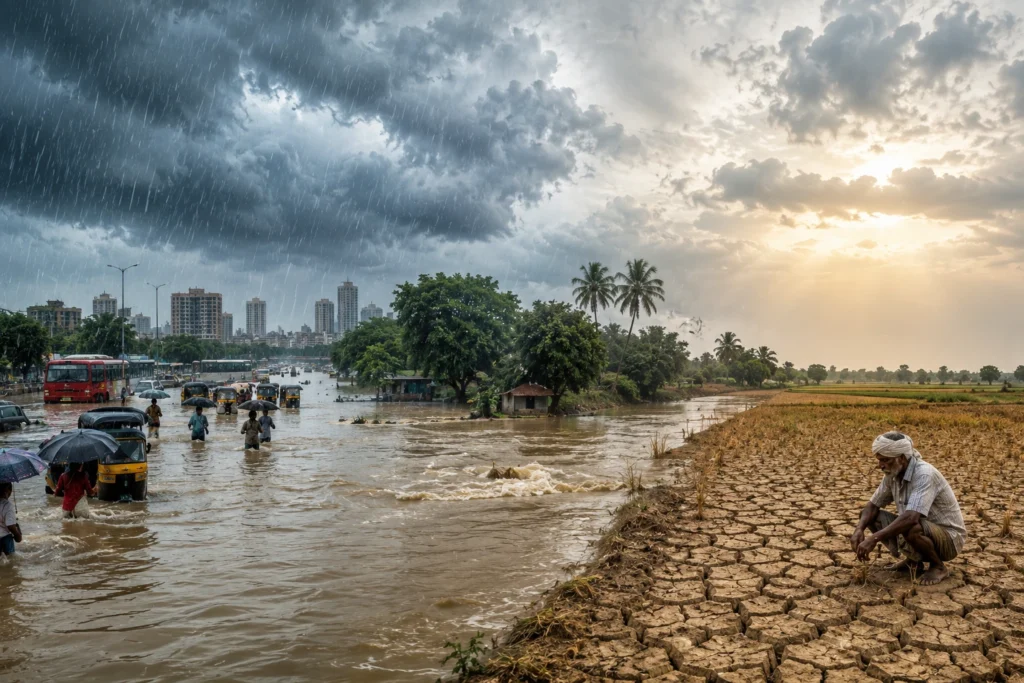
One of the most striking features of recent monsoon seasons is the coexistence of floods and drought-like conditions within the same country.
Heavy rainfall has caused localized flooding, road closures, waterlogging, and landslides in several regions. Meanwhile, other districts continue waiting for adequate rainfall to restore soil moisture and refill reservoirs.
This contrast demonstrates that rainfall quantity alone cannot determine monsoon performance. Distribution across both time and geography has become increasingly important for managing water resources.
Impact on Water Resources
Reservoirs, lakes, rivers, and groundwater recharge depend on sustained rainfall throughout the season rather than isolated cloudbursts.
Short periods of intense rainfall often generate rapid surface runoff instead of allowing water to gradually infiltrate the soil. As a result, valuable freshwater may flow away before significantly replenishing underground aquifers.
Water managers continue monitoring reservoir storage levels while preparing contingency plans for regions experiencing below-normal rainfall.
Efficient rainwater harvesting, watershed development, and groundwater recharge projects remain essential for improving long-term water security.
Urban Infrastructure Under Pressure
Major cities continue facing challenges whenever intense rainfall occurs within short periods.
Waterlogging, traffic congestion, drainage failures, and temporary transport disruptions have become common during heavy monsoon spells. Rapid urbanization, reduced natural drainage, and increasing paved surfaces often worsen flooding.
Urban planners emphasize the importance of expanding stormwater drainage systems, protecting wetlands, increasing green spaces, and improving flood-resilient infrastructure.
Cities capable of managing both heavy rainfall and prolonged dry periods will be better prepared for future climate variability.
Scientists Monitor Changing Monsoon Patterns
Researchers continue studying how ocean temperatures, atmospheric circulation, and large-scale climate systems influence India’s monsoon.
Weather experts note that natural climate variability remains an important factor. At the same time, long-term warming may increase the atmosphere’s ability to hold moisture, contributing to heavier rainfall during individual weather events.
Improved satellite observations, Doppler weather radars, and numerical forecasting models now allow meteorologists to provide more accurate short-term forecasts and earlier warnings for extreme rainfall.
Role of Early Warning Systems
Modern forecasting technology plays an increasingly important role in reducing weather-related risks.
Early warnings enable farmers to adjust agricultural activities, disaster management agencies to prepare emergency responses, and local administrations to issue evacuation advisories when necessary.
Digital weather services, mobile applications, and village-level forecasting networks are helping communities access more timely weather information than ever before.
Improved communication between meteorological agencies and local authorities remains essential for minimizing losses during extreme weather events.
Building Climate Resilience
Experts believe future adaptation requires a combination of scientific forecasting, sustainable agriculture, and improved water management.
Expanding irrigation infrastructure, promoting efficient water use, protecting forests, restoring wetlands, and strengthening local disaster preparedness can all reduce vulnerability to monsoon variability.
Climate-resilient farming practices—including crop diversification, improved soil conservation, and precision agriculture—are also becoming increasingly important.
Long-term planning will help communities better cope with both excessive rainfall and prolonged dry spells.
Looking Ahead
India’s uneven monsoon highlights the growing complexity of weather patterns in one of the world’s most climate-dependent nations. While heavy rainfall continues bringing relief to some regions, rainfall deficits elsewhere remain a concern for agriculture, water supplies, and rural livelihoods.
Scientists, policymakers, and farmers increasingly recognize that adapting to changing rainfall patterns will require stronger forecasting systems, better water conservation, climate-smart agriculture, and resilient infrastructure. As monsoon behavior continues evolving, preparedness and sustainable resource management will play a critical role in protecting both people and the environment.