Bangladesh Expands Clean Energy Ambitions as ADB Backs Solar and Battery Projects Exceeding 1,000 MW
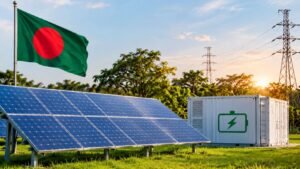
DHAKA, November 18, 2026: Bangladesh is taking another major step towards strengthening its renewable energy sector, with the Asian Development Bank (ADB) expanding its advisory support for a series of solar power and battery storage projects expected to exceed 1,000 megawatts (MW) in combined capacity.
Under the expanded initiative, the ADB will provide transaction advisory services for five additional renewable energy projects. These will join the previously supported 130 MW Sonagazi solar power project in Feni district, bringing the programme to six projects across three development phases.
The initiative is expected to attract more than $1 billion in private sector investment, creating new opportunities for businesses and investors interested in Bangladesh’s growing clean energy market.
Solar Power and Battery Storage at the Centre
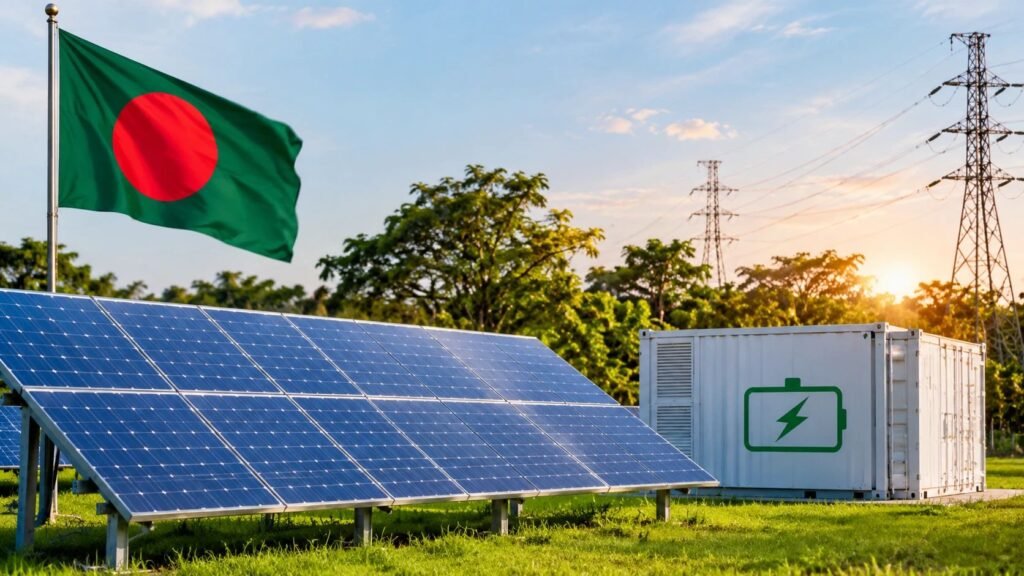
The expanded programme combines solar electricity generation with battery energy storage technology. This approach could help Bangladesh make better use of renewable electricity while improving the reliability of its power supply.
The Sonagazi project will serve as the first phase of the programme. It is designed to include a 130 MW solar photovoltaic facility alongside a battery storage system with a capacity of 26 megawatt-hours (MWh).
The project’s tender process is expected to begin before the end of 2026. Its development structure is also expected to provide a framework for preparing and procuring the other five projects.
Private Investment Expected to Exceed $1 Billion
A key objective of the programme is to encourage greater participation from private investors in Bangladesh’s renewable energy industry.
The ADB will assist the relevant Bangladeshi authorities with project preparation, technical and financial assessments, market consultations and tender documentation. It will also provide guidance during competitive bidding and contract award procedures.
The expanded advisory arrangement involves cooperation between the ADB, Invest Bangladesh and the Bangladesh Power Development Board (BPDB).
The authorities will also assess the suitability of government-owned land for developing the five additional projects.
Supporting Bangladesh’s Renewable Energy Targets
Bangladesh aims to generate at least 20 per cent of its electricity from renewable sources by 2030. The government has set a further target of increasing this share to 30 per cent by 2040.
Expanding solar generation and battery storage infrastructure could play an important role in achieving these ambitions.
The country has traditionally depended heavily on conventional energy sources, including imported fuels. Greater investment in renewable electricity could help diversify its energy mix and reduce exposure to international fuel price fluctuations.
A Step Towards Long-Term Energy Security
The programme represents an effort to develop a broader investment environment for clean energy rather than focusing on individual solar installations.
For Bangladesh, the potential benefits extend beyond electricity generation. A stronger renewable energy industry could support infrastructure development, attract international investment and create opportunities for businesses involved in energy technology and project construction.
However, the success of the initiative will depend on effective project preparation, transparent procurement, financing arrangements and timely implementation.
With the ADB expanding its advisory role and more than $1 billion in potential private investment on the table, Bangladesh is seeking to strengthen its position in the region’s transition towards cleaner and more sustainable energy.
The six-project programme could become an important part of the country’s long-term strategy to build a more reliable, diversified and environmentally sustainable electricity sector.