Bangladesh Dengue Crisis Deepens as Death Toll Surpasses 500, Hospital Admissions Continue to Rise
DHAKA, November 2026 — Bangladesh is facing a serious public health challenge as the country’s dengue death toll has climbed to 502, with more than 164,000 patients admitted to hospitals since the beginning of the year.
The latest figures released by the Directorate General of Health Services (DGHS) on Monday show that three additional people died and 1,598 new patients were hospitalised during the 24 hours ending at 8:00 a.m. local time.
The rising number of infections has intensified concerns among health authorities, particularly as dengue transmission continues beyond its traditionally recognised monsoon season.
Dhaka Records the Highest Number of New Patients
Dhaka Division accounted for the largest share of new hospital admissions, recording 673 patients during the latest reporting period.
Other divisions also reported significant numbers of hospitalisations:
- Chattogram: 251 patients
- Khulna: 201 patients
- Barishal: 185 patients
- Rajshahi: 145 patients
- Rangpur: 71 patients
- Mymensingh: 61 patients
- Sylhet: 11 patients
The figures demonstrate that dengue remains a nationwide concern rather than being restricted to the capital.
More Than 157,000 Patients Recover
Despite the growing number of infections, thousands of patients have successfully recovered after receiving medical treatment.
According to the DGHS, 157,988 patients had been discharged from hospitals following recovery by November 16.
However, 5,617 patients remained under hospital care, placing continued pressure on healthcare facilities and medical personnel.
The latest figures underline the importance of early diagnosis, timely treatment and adequate hospital preparedness.
Dengue Spreading Beyond the Traditional Monsoon Season
Dengue has historically been associated with Bangladesh’s monsoon period, particularly between June and September.
However, the continued transmission of the mosquito-borne disease beyond these months has raised concerns about changing seasonal patterns.
The country’s 2026 outbreak has already recorded substantial mortality, with October accounting for 174 deaths and September recording another 148.
The persistence of infections into November highlights the need for year-round mosquito control and stronger public health surveillance.
Prevention Remains Critical
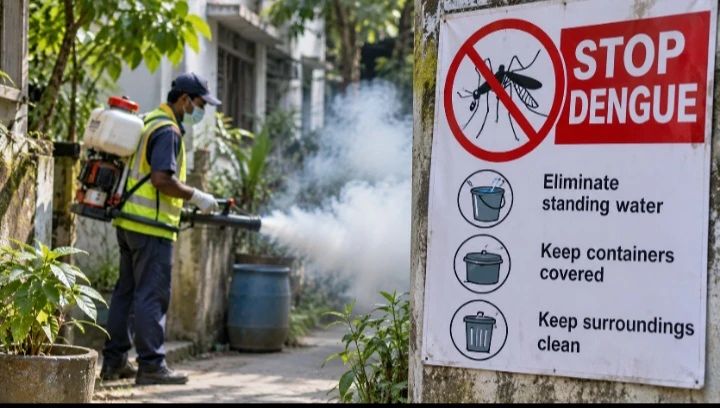
Dengue is transmitted through infected Aedes mosquitoes, which commonly breed in stagnant water around homes, workplaces and public spaces.
Health authorities and public health experts encourage communities to remove standing water from containers, flowerpots, discarded tyres, rooftops and other potential breeding locations.
Residents should also use mosquito repellents, protective clothing and window screens wherever possible.
People experiencing high fever, severe abdominal pain, persistent vomiting, bleeding or unusual weakness should seek immediate medical attention.
Bangladesh Faces a Continuing Public Health Challenge
The latest outbreak figures highlight the importance of coordinated action involving health authorities, local governments, hospitals and communities.
Improved mosquito-control operations, public awareness campaigns, early diagnosis and accessible medical services will be essential to reducing further infections and preventing avoidable deaths.
With the dengue death toll already exceeding 500, Bangladesh faces an urgent challenge in controlling transmission and protecting vulnerable communities as the country moves towards the end of 2026.