European Union Expands Russia Sanctions, Targeting 113 Individuals and Entities Across Key Industries
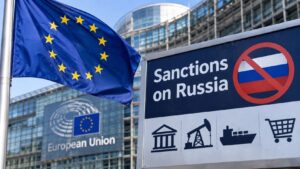
BRUSSELS, November 2026 — The European Union has announced a fresh round of sanctions against Russia, adding 113 individuals and entities to its restrictions list in an effort to limit Moscow’s financial resources and ability to support its military operations.
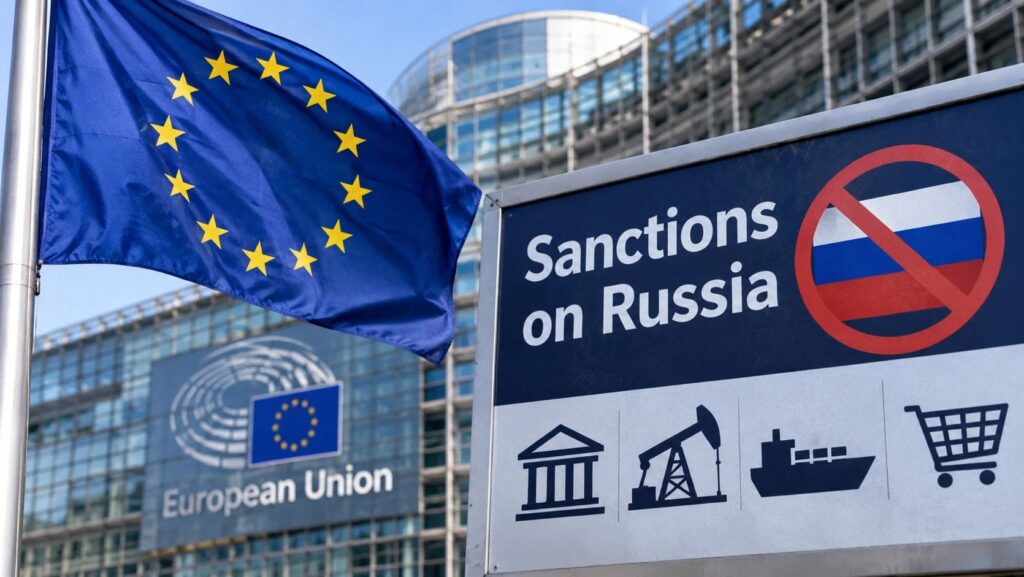
The measures, adopted by the Council of the European Union on Monday, target 12 individuals and 101 entities operating across several important sectors, including banking, e-commerce, energy and shipping.
According to the Council, the latest restrictions are intended to disrupt financial networks and commercial activities that contribute to financing Russia’s military operations.
Nearly 50 Russian Financial Institutions Targeted
The new sanctions include nearly 50 Russian banks and financial institutions.
European authorities aim to restrict financial channels through which state revenues and other funds are processed, making it more difficult for Russia to access international financial resources.
The measures form part of the EU’s broader strategy to increase economic pressure on Moscow through restrictions on financial institutions and businesses connected to its economy.
Major E-Commerce Businesses Also Face Restrictions
The latest package extends beyond traditional financial and energy sectors.
The EU has also listed the sole shareholder of Russian retail giant Wildberries and an individual who controls a majority stake in another major e-commerce company, Ozon.
The inclusion of major online retail businesses reflects the bloc’s intention to broaden its sanctions framework to cover individuals and commercial interests it considers relevant to Russia’s economic and financial networks.
Energy and Shipping Industries Under Additional Pressure
The energy sector is another major focus of the new restrictions.
Additional Russian companies and businesspeople associated with oil refining, exploration and production have been included on the sanctions list.
Companies managing Russian refineries and the St. Petersburg oil terminal are among those targeted.
The EU has also maintained its focus on shipping operations and efforts to restrict activities associated with Russia’s so-called shadow fleet, which European authorities believe helps Moscow maintain oil export revenues despite existing restrictions.
Asset Freezes and Travel Bans Imposed
Under the new measures, listed individuals and entities will face asset freezes.
European Union operators are prohibited from providing them with funds or economic resources, while sanctioned individuals will also be barred from travelling to EU member states.
These restrictions are designed to limit access to European financial systems, business opportunities and other economic resources.
EU Links New Measures to Attacks on Ukraine
The Council of the European Union said the latest sanctions were introduced in response to Russian attacks against Ukraine, particularly strikes affecting civilian infrastructure.
The decision follows calls by EU leaders in October for additional measures aimed at reducing Russian energy revenues and limiting the activities of shadow fleet vessels.
European governments have repeatedly argued that restricting Moscow’s financial resources is an important part of efforts to reduce its capacity to sustain the conflict.
Moscow Rejects Western Sanctions
Russia has repeatedly criticised Western sanctions, describing them as illegitimate and politically motivated.
Moscow has also maintained that its economy has the capacity to withstand external economic pressure.
The latest EU measures nevertheless demonstrate the bloc’s continued commitment to expanding restrictions on Russian financial institutions, commercial interests and energy-related businesses.
As the conflict in Ukraine continues, economic sanctions remain a central instrument of European policy towards Moscow.