Malaysia Strengthens Position as Regional Investment Hub Amid Growing Technology Demand
KUALA LUMPUR, November 16, 2026 — Malaysia is gaining recognition as an increasingly attractive investment destination in Southeast Asia, supported by its expanding digital economy, advanced manufacturing capabilities and growing role in regional supply chains, according to a new assessment by global financial services company Citi.
The country’s improving investment profile reflects broader changes in global business strategies, as multinational companies seek to diversify production networks and establish stronger regional operations across the Association of Southeast Asian Nations (ASEAN).
Citi Malaysia Head of Markets Ng Hooi Wan said international investor sentiment towards Malaysia had strengthened in recent years, with the country increasingly attracting attention beyond its traditional manufacturing sector.
She highlighted digital infrastructure, advanced manufacturing and regional business expansion as important factors supporting Malaysia’s growing economic appeal.
Technology Sector Drives Investment Opportunities
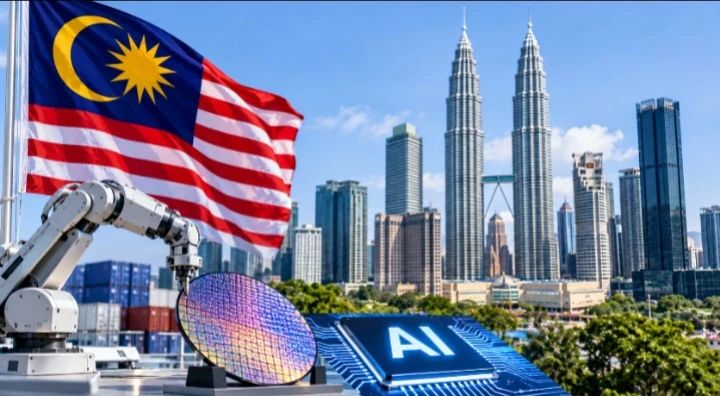
Artificial intelligence is emerging as an important contributor to Malaysia’s economic prospects, particularly through increasing demand for electrical and electronics products and semiconductor components.
Citi Head of ASEAN Economics Kit Wei Zheng identified AI-related demand as a significant growth driver for Malaysia and other regional economies.
As businesses worldwide increase their investment in artificial intelligence, demand for semiconductor chips, electronic equipment and supporting infrastructure is creating new opportunities for manufacturers.
Malaysia’s established electronics industry provides a foundation for attracting further investment in technology-related production and supply chains.
Global Companies Diversify Supply Chains
Changes in international trade and manufacturing strategies are also benefiting Malaysia.
Companies are increasingly looking to diversify their supply chains to improve resilience, reduce concentration risks and strengthen access to important regional markets.
Malaysia’s strategic location, industrial capabilities and established connections with international markets are helping it attract businesses seeking alternative manufacturing and investment destinations.
The trend could further strengthen the country’s position as an important economic centre within ASEAN.
Positive Signs in Employment and Manufacturing
The benefits of expanding economic activity are beginning to appear in parts of Malaysia’s labour market.
According to Citi’s assessment, manufacturing wage growth has been improving, unemployment has declined and demand for workers has strengthened.
These developments suggest that investment-related economic activity is generating broader employment opportunities.
However, the outlook for household consumption remains an important factor to watch. Citi noted that consumer spending had weakened through August, although conditions could gradually stabilize.
Ringgit Outlook Remains Supported
Citi also maintained a positive outlook towards the Malaysian ringgit, reflecting its assessment of the country’s broader economic and investment prospects.
Currency performance will continue to depend on domestic economic conditions, international financial markets and developments in global trade.
Malaysia’s Regional Economic Ambitions
Malaysia’s increasing prominence as an investment destination reflects its ambition to move further up the global manufacturing and technology value chain.
Continued investment in digital infrastructure, semiconductor production, advanced manufacturing and skilled employment could strengthen its competitiveness over the coming years.
The country’s ability to attract sustainable investment while developing domestic technological capabilities will be important in determining whether it can maintain its growing influence within Southeast Asia.
With global demand for AI-related products continuing to expand, Malaysia is positioned to benefit from the next phase of regional industrial and digital transformation.