PJM Proposes Major US Power Grid Overhaul to Speed Up Data Center Connections
PJM Interconnection, the largest electricity grid operator in the United States, has proposed a major overhaul of its connection procedures in an effort to accelerate electricity access for data centers and other large power consumers.
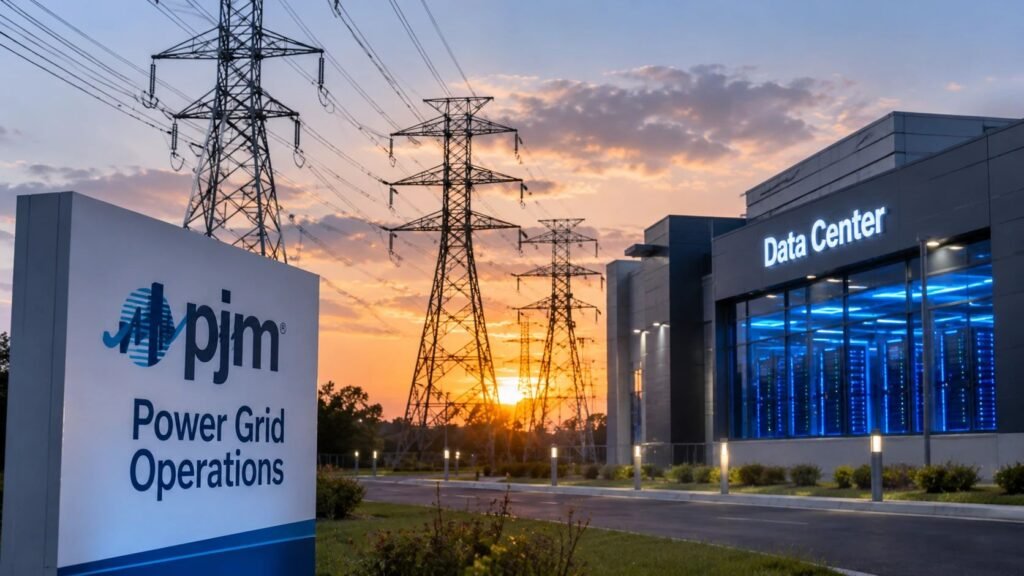
The proposal aims to reduce the time required to evaluate new power generation projects, transmission infrastructure and large electricity demands, addressing growing pressure on the regional power network from the rapid expansion of artificial intelligence and cloud computing.
Under the proposed changes, the grid connection study process could be reduced from approximately two years to just 12 months.
PJM submitted its proposal to the Federal Energy Regulatory Commission (FERC) on November 16, 2026, seeking regulatory approval for the new framework.
New Fast Energization Process Could Cut Waiting Times
The proposed system, known as Fast Energization, would combine several previously separate planning and assessment procedures.
Currently, electricity generation projects, transmission services and large electricity consumers often undergo different studies before receiving approval to connect to the grid.
PJM believes combining these processes could eliminate duplication, improve coordination and provide developers with earlier information about connection requirements.
The new framework would also introduce stricter financial and project-readiness requirements at an earlier stage, helping distinguish serious developments from speculative proposals.
Artificial Intelligence Drives Electricity Demand
The rapid expansion of artificial intelligence has created unprecedented electricity requirements for large data centers across the United States.
Companies operating advanced computing facilities require substantial and reliable power supplies to support servers, cooling systems and other infrastructure.
PJM operates the electricity network across 13 Mid-Atlantic and Midwest states, serving approximately 67 million people.
However, growing electricity consumption has placed increasing pressure on the regional system.
The grid operator faces an estimated electricity supply shortfall of approximately 6.8 gigawatts, raising concerns about future reliability if additional generation capacity does not become available quickly enough.
Data Centers Could Face Greater Grid Costs
Another important element of the proposal concerns how the costs of electricity infrastructure improvements are distributed.
PJM wants to provide state governments and utilities with clearer information about the transmission upgrades required to serve large electricity consumers.
This could allow data centers to pay a greater share of the infrastructure expenses directly attributable to their operations rather than distributing those costs among ordinary electricity customers.
The approach could become particularly significant as technology companies invest billions of dollars in new computing facilities.
However, industry representatives have raised concerns that combining multiple connection procedures could introduce additional complications and potentially create new delays.
Grid Reliability Remains a Major Concern
Alongside the connection reforms, PJM has proposed additional requirements intended to protect electricity network stability.
These measures include requirements for large data centers to remain connected during certain grid disturbances rather than immediately switching to backup power systems.
Unexpected transfers from the electricity grid to on-site backup generation can create sudden changes in electricity demand and complicate grid operations.
PJM believes improved coordination between large consumers and grid operators will be important as electricity demand continues to increase.
FERC Approval Could Shape the Future of US Data Centers
PJM has requested that FERC establish a 60-day public comment period and issue a decision within 120 days.
The regulatory review will determine whether the proposed framework can move forward and whether modifications are required.
If approved and implemented effectively, the new process could help accelerate power connections for major computing facilities while improving transparency around infrastructure costs.
The proposal also highlights a growing challenge for the American technology industry: building artificial intelligence infrastructure is no longer simply a question of securing land, servers and investment. Access to sufficient electricity has become an equally important requirement.
As demand for AI computing continues to expand, the ability of electricity networks to accommodate new facilities could become a major factor influencing the future development of the US technology sector.