
National Handloom Day Celebrates India’s Timeless Weaving Heritage and the Artisans Behind It
India’s handloom industry is a remarkable example of how cultural heritage and economic development can coexist. Continued support through consumer awareness, innovation, fair market access, and sustainable practices will help preserve traditional weaving while creating new opportunities for artisans. Choosing handloom is not merely a purchase—it is a meaningful investment in craftsmanship, cultural identity, and the future of India’s creative economy.
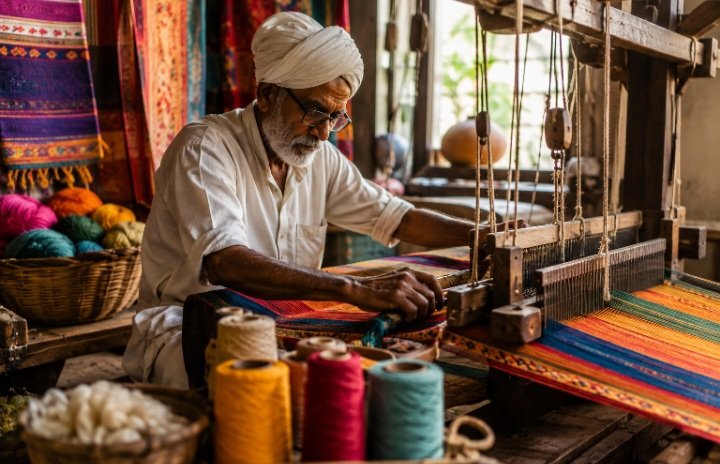
India’s handloom tradition is more than an ancient craft—it is a living expression of culture, creativity, and community. Every woven fabric reflects generations of knowledge, artistic excellence, and regional identity passed down through skilled hands. On National Handloom Day, the nation pays tribute to the master weavers and artisans whose dedication continues to preserve one of the world’s richest textile traditions.
The occasion also encourages citizens to support locally made handloom products, strengthening rural livelihoods while promoting sustainable fashion and the vision of Vocal for Local. By choosing handwoven textiles, consumers contribute directly to preserving cultural heritage and empowering artisan communities across the country.
A Legacy Woven Through Generations
India’s handloom industry has flourished for centuries, producing textiles renowned for their intricate designs, vibrant colors, and exceptional craftsmanship. From fine cotton and luxurious silk to wool and natural fibers, each region has developed unique weaving styles inspired by local traditions, history, and environment.
These textiles are not simply products—they are cultural narratives that reflect festivals, folklore, architecture, and community identity.
Honoring the Hands Behind Every Fabric
National Handloom Day recognizes the immense contribution of millions of weavers, artisans, dyers, designers, and craftspeople who sustain this traditional industry.
Despite rapid industrialization and changing consumer preferences, these skilled professionals continue to preserve techniques that require patience, precision, and years of experience. Their work supports both cultural continuity and economic development.
Supporting Rural Livelihoods
The handloom sector remains one of India’s largest sources of rural employment after agriculture. Thousands of families depend on weaving and related crafts as their primary source of income.
Purchasing authentic handloom products directly supports artisan households, strengthens local economies, and creates opportunities for future generations to continue traditional craftsmanship.
Sustaining this sector also helps reduce migration from rural areas by generating employment within local communities.
Handloom and Sustainable Fashion
As awareness grows around environmentally responsible consumption, handloom textiles are increasingly recognized for their sustainability.
Unlike mass-produced fabrics, handwoven textiles generally require lower energy consumption and often utilize traditional production methods that have a smaller environmental footprint. Many artisans also work with natural fibers and eco-friendly dyes, making handloom an attractive choice for conscious consumers.
Choosing handloom supports both cultural preservation and sustainable living.
Celebrating India’s Textile Diversity
Every state in India contributes unique weaving traditions that showcase remarkable artistic diversity.
Different regions are known for distinctive techniques, motifs, patterns, and fabrics developed over centuries. These regional specialties represent the creativity of local communities while enriching India’s broader cultural landscape.
Protecting these traditions ensures that valuable knowledge continues to inspire future generations.
Innovation Meets Tradition
While preserving traditional methods remains essential, many artisans are also embracing innovation. Contemporary designs, digital marketing, e-commerce platforms, modern color combinations, and collaborations with fashion designers have helped expand the reach of Indian handloom products.
This balance between heritage and innovation enables artisans to connect with new domestic and international markets while maintaining the authenticity of their craft.
The Spirit of Vocal for Local
The National Handloom Day celebration reinforces the importance of supporting locally produced goods. Every purchase of a handloom product encourages self-reliance, promotes indigenous craftsmanship, and contributes to inclusive economic growth.
The “Vocal for Local” movement encourages consumers to appreciate products created by skilled Indian artisans while helping preserve traditional industries that represent the nation’s cultural identity.
Inspiring Future Generations
Educating younger generations about handloom traditions plays an important role in preserving this valuable heritage. Schools, museums, exhibitions, fashion institutions, and cultural festivals help introduce young people to India’s rich textile history while inspiring future designers and entrepreneurs.
Greater awareness can also encourage more consumers to value handcrafted products over mass-produced alternatives.
Looking Ahead
India’s handloom sector continues to represent the perfect blend of history, artistry, sustainability, and economic opportunity. By supporting handwoven textiles, consumers contribute not only to preserving centuries-old traditions but also to strengthening artisan livelihoods and promoting environmentally responsible production.
National Handloom Day serves as a reminder that every woven thread carries a story of dedication, creativity, and cultural pride. As India moves toward a more sustainable and inclusive future, protecting its handloom heritage remains an investment in both tradition and progress.