
Preakness Stakes to Make Historic Move to Sunday in 2027, Reshaping the Triple Crown Schedule
The decision to move the Preakness Stakes to Sunday reflects a broader shift toward balancing tradition with equine welfare. Providing additional recovery time after the Kentucky Derby could encourage greater participation in the second leg of the Triple Crown. However, the shortened 13-day gap before the Belmont Stakes introduces a new challenge, making future adjustments to the overall Triple Crown calendar a subject that racing officials and stakeholders are likely to continue evaluating.
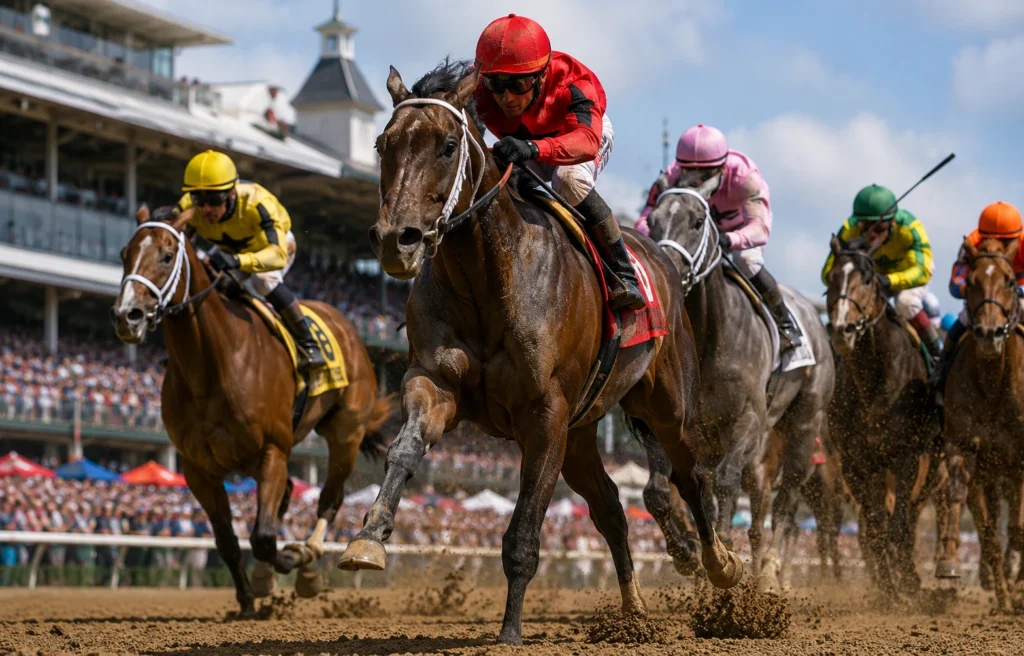
The Preakness Stakes, one of American horse racing’s most prestigious events, is set to enter a new chapter in 2027 with a historic scheduling change. For the first time since the race’s inception, the second jewel of the Triple Crown will be contested on a Sunday, marking the first occasion in history that any Triple Crown race will be held on that day of the week.
The decision represents one of the most significant adjustments to the Triple Crown calendar in decades. Racing officials believe the revised schedule will provide horses with additional recovery time following the demanding Kentucky Derby while potentially improving competition throughout the Triple Crown series.
A Historic First for the Triple Crown
For more than a century, the Triple Crown has followed a traditional schedule centered around Saturday racing. That long-standing pattern will change in 2027 when the Preakness Stakes shifts to Sunday.
The move makes the race the first Triple Crown event ever scheduled on a Sunday, creating a historic milestone in American thoroughbred racing.
The change reflects evolving priorities within the sport as organizers seek to balance tradition with the health and welfare of racehorses.
More Recovery Time for Derby Contenders
One of the primary reasons behind the scheduling adjustment is to provide horses with additional time to recover after competing in the Kentucky Derby.
Under the revised calendar, the Preakness Stakes will take place three weeks and one day after the Kentucky Derby, extending the traditional interval by approximately one additional week.
Recovery time has become an increasingly important topic within horse racing, with trainers emphasizing that elite thoroughbreds often perform better when given additional rest between major competitions.
The revised schedule aims to support horse welfare while maintaining high-quality competition.
A Shift in Racing Tradition
The scheduling change effectively moves the Preakness Stakes one week later than its traditional position on the racing calendar.
Although seemingly minor, the adjustment influences preparations for trainers, jockeys, owners, breeders, broadcasters, and racing fans alike.
Planning for training schedules, travel arrangements, media coverage, and race logistics will all adapt to the updated timetable.
Black-Eyed Susan Stakes Also Changes
The revised Preakness schedule will also affect another important event at Pimlico Race Course.
The Black-Eyed Susan Stakes, traditionally contested on Friday before the Preakness, will now be held on Saturday, creating a modified weekend racing program.
This adjustment allows organizers to maintain a complete festival atmosphere while accommodating the new Sunday feature race.
Belmont Stakes Creates a New Challenge
While the Preakness gains additional recovery time after the Kentucky Derby, the revised schedule creates a different challenge for horses pursuing the Triple Crown.
The Belmont Stakes remains scheduled for June 5, 2027, leaving only 13 days between the Preakness and Belmont.
That compressed timetable may create a demanding transition for horses attempting to compete in all three races.
Return to Belmont Park Increases the Difficulty
Another important factor influencing the Triple Crown schedule is the Belmont Stakes’ return to Belmont Park.
With racing returning to its traditional venue, the Belmont Stakes will once again cover its historic distance of 1.5 miles, making it one of the most physically demanding races in international horse racing.
Competing over such a challenging distance with less than two weeks of recovery following the Preakness presents a considerable test of endurance and conditioning.
Trainers Face New Strategic Decisions
The revised calendar is expected to influence how trainers prepare their horses throughout the Triple Crown season.
Training programs, conditioning schedules, recovery strategies, and race selection may all require adjustments to maximize performance across the demanding three-race series.
Some trainers may welcome the additional preparation time before the Preakness, while others may reconsider participation in the Belmont due to the shortened turnaround.
Balancing Tradition and Horse Welfare
Horse welfare has become an increasingly important subject across the racing industry.
Providing additional recovery time aligns with broader efforts to prioritize equine health while preserving the prestige of the Triple Crown.
Officials hope the revised schedule will encourage more Kentucky Derby participants to continue into the Preakness, potentially increasing the quality and competitiveness of the field.
Finding the right balance between historic traditions and modern welfare standards remains one of the sport’s ongoing priorities.
Could More Changes Follow?
The revised calendar has already generated discussion about whether further scheduling adjustments could eventually occur.
Some observers believe racing authorities may consider moving the Belmont Stakes in future years to create more recovery time between all three Triple Crown events.
Although no additional changes have been announced, the 2027 schedule could become an important test case for future reforms.
Pimlico Prepares for a Historic Edition
The 152nd Preakness Stakes at Pimlico Race Course in Baltimore will now carry added historical significance beyond the competition itself.
Fans attending the event will witness not only one of America’s premier horse races but also the beginning of a new era in Triple Crown history.
Organizers hope the revised format will strengthen participation while maintaining the excitement that has defined the Preakness for generations.
Looking Ahead
The 2027 scheduling change represents a landmark moment for American horse racing. By moving the Preakness Stakes to Sunday and extending the recovery period after the Kentucky Derby, racing officials are attempting to modernize one of the sport’s most celebrated traditions while placing greater emphasis on horse welfare.
Whether the new schedule ultimately improves Triple Crown participation and competitive balance will become clear once the historic 2027 season unfolds. Regardless of the outcome, the decision marks one of the most significant calendar changes in the long history of the Triple Crown.