Trump Claims the US Has Total Control of the Strait of Hormuz as Iran Refuses to Reopen the Waterway
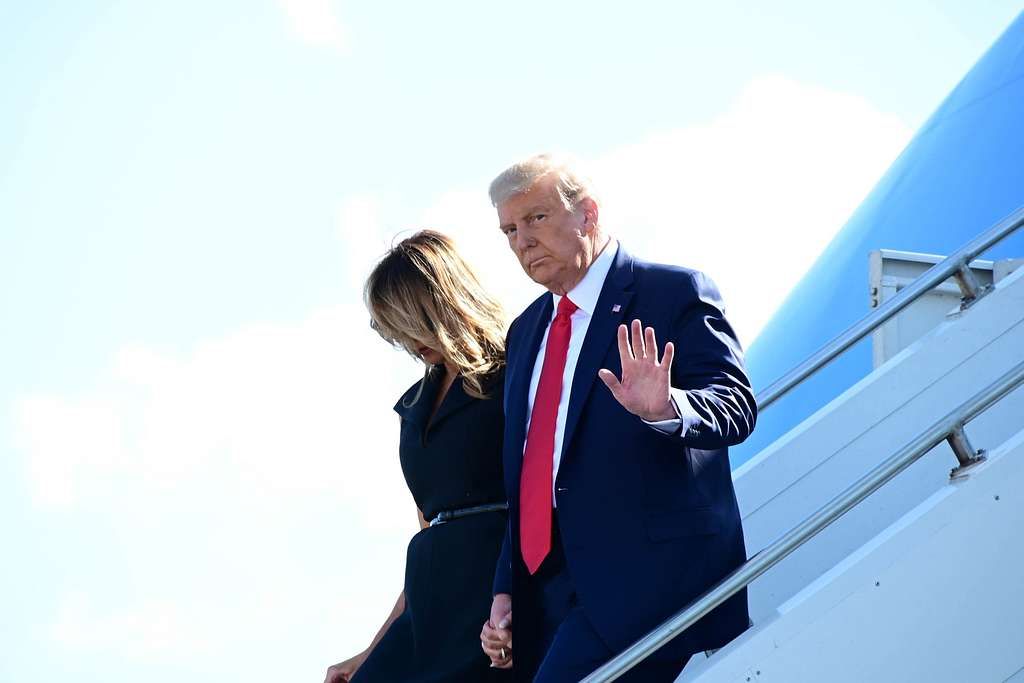
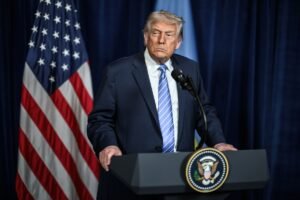
Washington/Tehran, August 12, 2026: A sharp new confrontation over one of the world’s most important maritime energy routes has emerged after U.S. President Donald Trump declared that the United States has “total control” of the Strait of Hormuz, while Iranian officials continued to insist that the waterway will not fully reopen unless Washington accepts Tehran’s conditions.
Trump’s latest statement has added a fresh layer of uncertainty to an already volatile U.S.-Iran confrontation. The Strait of Hormuz connects the Persian Gulf with the Gulf of Oman and is a crucial route for international energy shipments. Any prolonged disruption can therefore affect not only countries in the Middle East but also fuel prices, shipping costs and energy markets across the world.
Trump Says Washington Controls the Strait
Trump said that the United States currently has complete control over the strategic waterway and portrayed Iran as no longer being in a position to dictate events in the region. He also expressed strong distrust of Tehran, arguing that previous Iranian statements and negotiations had not convinced him that the country could be relied upon.
The comments came as diplomatic efforts to resolve the confrontation appeared increasingly uncertain.
According to reports published Wednesday, Iran’s top security official said that the Strait of Hormuz would remain closed unless the United States met Iranian demands. Those demands reportedly include measures related to frozen assets and broader regional de-escalation.
The contrasting positions underline the central problem facing negotiators: Washington wants the waterway reopened and commercial traffic restored, while Tehran is seeking concessions before agreeing to a broader change in the current situation.
Why the Strait Matters to the World
The Strait of Hormuz is not simply a regional shipping lane. It is one of the world’s most strategically important energy chokepoints.
Large volumes of crude oil and petroleum products normally move through the narrow passage every day. As a result, disruption in the area can quickly create concerns about global supply, even for countries that are geographically far from the Persian Gulf.
The current crisis is already being reflected in energy markets. Reuters reported on August 12 that oil prices moved higher as doubts over a possible U.S.-Iran agreement increased concerns about supply disruptions. Brent crude was reported at $89.63 a barrel, while West Texas Intermediate stood at $83.91.
The situation is particularly important for Asian economies, which depend heavily on Middle Eastern energy supplies. Any prolonged interruption could force importers to compete more aggressively for alternative supplies, increasing transportation and procurement costs.
Shipping Risks Are Increasing
The dispute has also moved beyond diplomatic statements.
Reports indicate that shipping activity through the Strait has fallen dramatically amid security concerns. Separate reports have described attacks involving commercial vessels in the Strait of Hormuz and the Bab el-Mandeb region, creating concerns about the security of two major maritime corridors at the same time.
Another report said a U.S. helicopter fired on a Panama-flagged cargo ship after it allegedly attempted to break an American blockade. Such incidents demonstrate how quickly the dispute can translate into direct risks for commercial shipping.
For shipping companies, the problem is not limited to the possibility of physical attacks. Insurance premiums, longer routes, delays and uncertainty about safe passage can all increase the cost of transporting goods.
Iran Rejects Pressure to Reopen the Waterway
Iran has maintained a firm position despite pressure from Washington.
Tehran’s latest message suggests that reopening the Strait will depend on political and security concessions rather than simply military developments at sea. Iranian officials have linked the issue to what they describe as the need for the United States to change its behaviour and accept specific conditions.
This makes the Strait a central bargaining point in the wider confrontation.
For Washington, keeping commercial traffic moving is important both economically and strategically. For Tehran, control over access to the waterway provides significant leverage because the consequences of disruption extend well beyond Iran’s borders.
A Difficult Choice for Trump
Trump now faces a complicated strategic calculation.
The U.S. administration can continue applying military and economic pressure while attempting to negotiate an agreement. However, a prolonged confrontation risks increasing energy prices and creating additional pressure on global supply chains.
A military effort to guarantee unrestricted navigation could also carry substantial risks. The Strait is geographically narrow, and even limited attacks, mines or other maritime threats can complicate commercial movement.
That is why Trump’s assertion of American control does not necessarily mean that normal shipping has already returned to the waterway.
The practical question is whether ships can move safely, consistently and economically—not simply which country claims control.
Oil Markets Are Watching Closely
Energy traders are paying particular attention to every development from Washington and Tehran.
A credible agreement that guarantees safe navigation could ease some of the pressure on oil markets. Conversely, another escalation could push crude prices higher if traders conclude that the disruption will last longer than previously expected.
Reuters reported that the market was already responding to renewed uncertainty surrounding U.S.-Iran negotiations. The possibility of continued disruption has revived concerns over the availability of Middle Eastern crude.
The consequences could extend to consumers through higher fuel and transportation costs. Airlines, logistics companies, manufacturers and other energy-intensive industries could also face increased expenses if elevated oil prices persist.
Diplomacy Remains the Critical Path
Despite the aggressive rhetoric from both sides, diplomacy remains one of the most important routes toward stabilising the situation.
Recent reporting indicates that Iran and Oman have been discussing arrangements concerning the Strait, although those efforts have not yet produced a complete reopening of the waterway.
Oman has historically played an important intermediary role in difficult regional negotiations, making its involvement particularly significant.
A workable arrangement would likely require both sides to make concessions. Washington would need assurances about freedom of navigation and regional security, while Tehran is seeking relief from measures it considers unacceptable.
What Happens Next?
The coming days could prove decisive.
If Washington and Tehran manage to narrow their differences, the immediate pressure on shipping and oil markets could begin to ease. A sustained reopening of the Strait would be particularly important for restoring confidence among international shipping operators.
If negotiations fail, however, the confrontation could become more prolonged. Continued attacks or restrictions on commercial traffic could increase insurance costs and put further upward pressure on energy prices.
Trump’s declaration that the United States has “total control” therefore represents a powerful political message, but the broader crisis remains unresolved.
The central issue is now whether American military pressure can be converted into a stable security arrangement—or whether the dispute will continue to keep one of the world’s most important maritime energy corridors at the centre of global geopolitical tensions.
For the international economy, the outcome matters far beyond Washington and Tehran. The longer uncertainty surrounds the Strait of Hormuz, the greater the potential impact on oil markets, shipping networks, inflation and energy security worldwide.