Egypt and Türkiye Step Up Diplomatic Efforts to Ease US-Iran Tensions and Prevent Wider Middle East Conflict
CAIRO, November 2026 — Egypt and Türkiye have intensified diplomatic consultations aimed at reducing tensions between the United States and Iran and preventing a renewed military confrontation that could threaten security and stability across the Middle East.
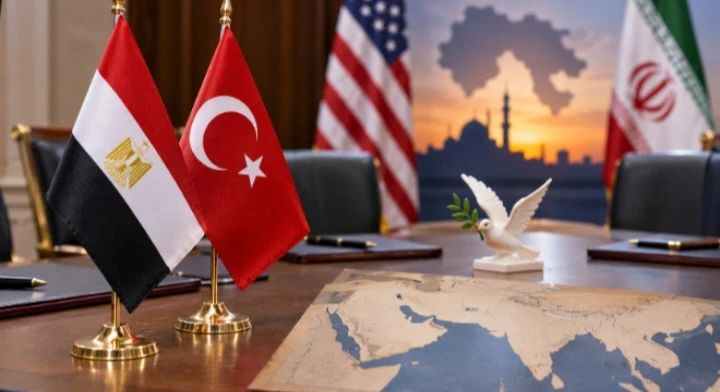
Egyptian Foreign Minister Badr Abdelatty and his Turkish counterpart Hakan Fidan discussed the latest regional developments during a telephone conversation on Sunday, according to a statement released by Egypt’s Foreign Ministry.
The two ministers emphasised the importance of continued diplomatic coordination and joint efforts to prevent further escalation between Washington and Tehran.
Their conversation comes amid persistent tensions between the United States and Iran, with Washington keeping open the possibility of renewed military strikes while Tehran continues to demand the lifting of US sanctions and the naval blockade before negotiations can resume.
The latest diplomatic engagement reflects growing concern among regional countries that another military confrontation could have serious consequences for the wider Middle East.
Egypt and Türkiye Call for Dialogue and Political Solutions
During their telephone conversation, Abdelatty and Fidan stressed that dialogue and diplomacy must remain the preferred approaches to resolving the ongoing disagreements between Washington and Tehran.
Both ministers highlighted the importance of reaching political understandings that could prevent renewed military escalation and protect regional security.
They also underlined the need for continued consultation between countries seeking to reduce tensions and encourage the parties involved to pursue peaceful solutions.
According to the Egyptian Foreign Ministry, the two sides agreed on the importance of strengthening diplomatic coordination to help prevent further deterioration of the situation.
Their position reflects concerns that military confrontation could extend beyond the immediate parties involved and create additional challenges for neighbouring countries.
The ministers therefore stressed that diplomatic engagement should take priority over further military action.
Regional Quartet Plays Important Role in Diplomatic Initiative
An important aspect of the discussion was the continued coordination between Egypt and Türkiye within the regional quartet, which also includes Saudi Arabia and Pakistan.
The two foreign ministers emphasised the importance of maintaining cooperation through this diplomatic framework to intensify efforts aimed at easing tensions between the United States and Iran.
They also highlighted the importance of working with Qatar to strengthen regional diplomatic initiatives.
The involvement of these countries provides a wider regional framework for communication and consultation at a time when tensions between Washington and Tehran remain unresolved.
The ministers discussed the need to coordinate diplomatic approaches and encourage both sides to consider political solutions rather than allow disagreements to develop into another military confrontation.
Cooperation among regional countries could help maintain communication channels and create opportunities for diplomatic engagement.
US-Iran Tensions Remain a Major Concern
The diplomatic conversation comes against the backdrop of continuing tensions between the United States and Iran.
Washington has kept open the possibility of renewed military strikes, maintaining uncertainty over the future direction of relations between the two countries.
Tehran, meanwhile, has insisted that US sanctions and the naval blockade must be lifted before negotiations can resume.
These opposing positions have complicated efforts to restart diplomatic discussions and establish a framework for reducing tensions.
The disagreement over sanctions, maritime restrictions and security arrangements remains a major obstacle to reaching a political understanding.
The latest initiative by Egypt and Türkiye therefore comes at a particularly sensitive moment, when regional governments are seeking to prevent the situation from deteriorating further.
Concerns Over Wider Regional Security
A renewed military confrontation between the United States and Iran could have consequences extending well beyond the two countries.
The Middle East is closely interconnected through trade, energy transportation, maritime routes and regional security arrangements. Any major escalation could therefore affect neighbouring countries and create wider economic and political uncertainty.
Regional governments have strong reasons to avoid another prolonged confrontation that could undermine stability and complicate diplomatic relations.
For countries such as Egypt, Türkiye, Saudi Arabia, Pakistan and Qatar, preventing escalation is an important diplomatic priority.
The latest discussions indicate that these countries are seeking to strengthen coordination and encourage a political approach to the crisis.
Egypt and Türkiye Seek Stronger Regional Coordination
Egypt and Türkiye have emphasised the importance of continued cooperation on issues affecting regional peace and security.
Their latest conversation demonstrates a shared interest in supporting diplomatic efforts to reduce tensions and prevent further instability.
By coordinating with Saudi Arabia, Pakistan and Qatar, the two countries are seeking to strengthen a broader regional effort focused on dialogue and political understanding.
The initiative also highlights the importance of involving regional countries in diplomatic efforts concerning developments that could directly affect their security and economic interests.
Although the discussions have not yet produced an announced agreement between Washington and Tehran, they underline the continuing efforts to keep diplomatic options open.
Diplomatic Path Remains Essential to Prevent Further Escalation
The latest telephone conversation between Abdelatty and Fidan underscores the importance of regional cooperation at a time of heightened uncertainty.
Both ministers have called for prioritising dialogue, strengthening diplomatic coordination and pursuing political understandings that could prevent renewed military escalation.
However, the differences between the United States and Iran remain significant, particularly over sanctions, the naval blockade and the conditions required for negotiations to resume.
The effectiveness of the regional diplomatic initiative will ultimately depend on whether Washington and Tehran are willing to engage in meaningful discussions and consider arrangements that address their respective concerns.
For now, Egypt, Türkiye and their regional partners are continuing to support diplomatic efforts aimed at avoiding another military confrontation.
The central message emerging from the latest discussions is that dialogue and political engagement remain essential to protecting regional security and preventing a wider Middle East crisis.