Gulf Oil Exports Face Fresh Threat as Shortage of Empty Tankers Disrupts Shipping Network
The flow of crude oil from the Persian Gulf could face renewed disruption as a shortage of available empty tankers threatens the region’s ability to maintain regular oil shipments, according to shipping-market tracking data.
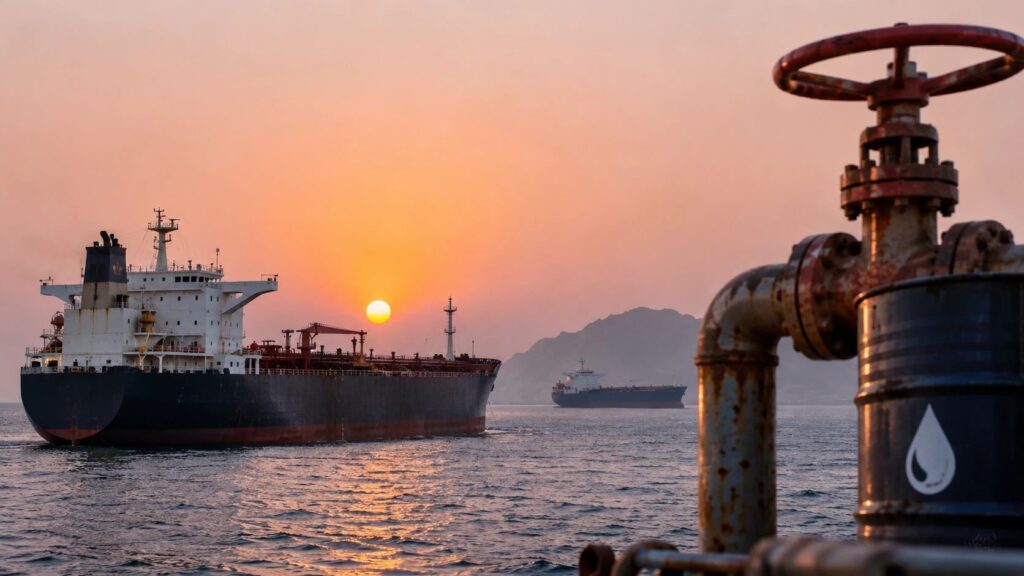
The availability of empty vessels is an essential part of the global oil transportation system. Tankers must return to exporting terminals after delivering their cargoes before they can load additional supplies. Any prolonged interruption in this cycle can create logistical bottlenecks for major oil producers.
The latest concerns highlight the vulnerability of Gulf energy exports amid continuing security risks around the Strait of Hormuz and uncertainty surrounding international shipping operations.
Empty Tanker Shortage Creates Logistical Pressure
Oil exports depend not only on the availability of crude but also on the continuous movement of vessels between producing regions and international markets.
When loaded tankers leave the Gulf but fewer empty ships return, exporters may struggle to secure sufficient vessels for subsequent cargoes.
This imbalance can reduce loading capacity, delay scheduled shipments and increase competition among oil producers seeking available transportation.
The situation is particularly important for countries that rely heavily on maritime exports to generate government revenue.
Strait of Hormuz Remains a Critical Shipping Route
The Strait of Hormuz is one of the world’s most strategically important maritime passages, connecting the Persian Gulf with international shipping routes.
A substantial proportion of global seaborne oil supplies normally passes through this narrow waterway.
Security concerns, vessel attacks and elevated insurance costs have encouraged shipping companies to reconsider their exposure to the region.
Some operators have adopted more cautious deployment strategies, while others have adjusted their routes and vessel schedules to reduce potential risks.
Oil Producers Face Increasing Transportation Challenges
Major Gulf oil exporters, including Saudi Arabia, Iraq, Kuwait and the United Arab Emirates, depend on reliable tanker availability to maintain international deliveries.
A shortage of empty vessels could complicate export planning even when crude production remains available.
Producers may face longer waiting periods at terminals, increased shipping expenses and difficulties coordinating cargo schedules with international buyers.
The problem could also affect floating storage arrangements, where crude oil remains aboard tankers while awaiting delivery or transfer to another vessel.
Shipping Costs and Global Oil Markets Under Pressure
Disruptions in tanker availability can influence international oil markets through higher transportation expenses and uncertainty over delivery schedules.
When shipping capacity becomes difficult to secure, charter rates may increase as exporters compete for available vessels.
However, the broader market impact also depends on global crude inventories, alternative export routes, refinery demand and the ability of shipping companies to reposition their fleets.
Recent market developments suggest that Gulf oil exports have continued through alternative logistics arrangements, including ship-to-ship transfers, despite ongoing security challenges.
Global Energy Supply Faces Another Test
The availability of empty tankers is emerging as an important indicator of the resilience of Gulf oil exports.
Even if producers maintain sufficient crude supplies, the inability to transport those barrels efficiently could create additional pressure on international energy markets.
For oil-importing economies, any prolonged disruption could introduce uncertainty into energy purchasing strategies, transportation costs and inflation expectations.
The coming weeks will be important in determining whether shipping companies can restore a more balanced flow of vessels into the Gulf and maintain the region’s ability to supply international markets.