Hungary to Complete Comprehensive Paks II Nuclear Project Audit by End of 2026
Budapest, November 14, 2026
Hungary is aiming to complete a comprehensive review of its Paks II nuclear power plant project by the end of 2026, as the country’s authorities seek a clearer picture of the project’s technical, financial and legal position before deciding on the next steps.
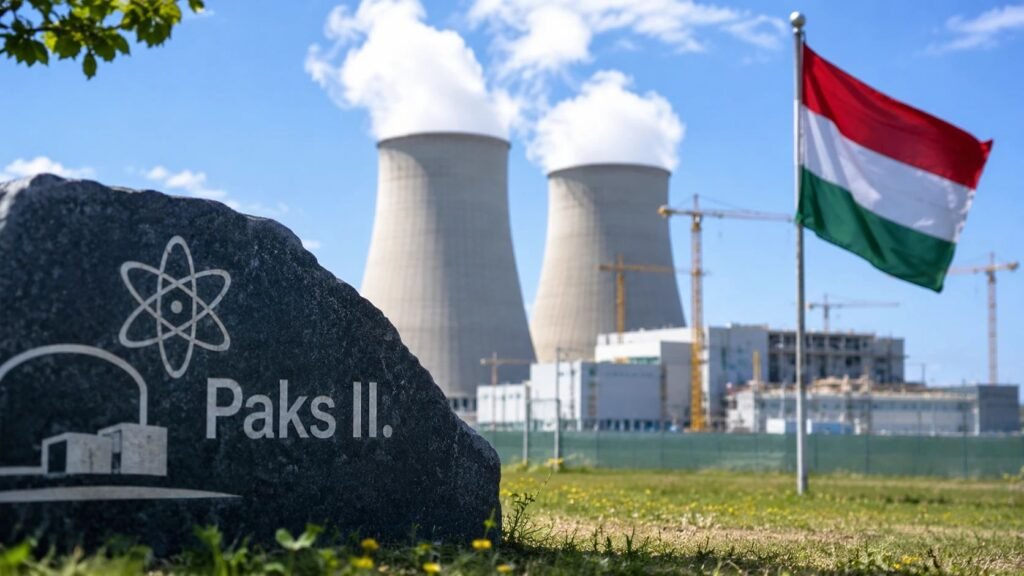
Attila Sagodi, chairman of the board and chief executive officer of Paks II, confirmed the timeline in an interview with TASS. He said the ongoing assessment would examine all major aspects of the nuclear power plant’s development, including engineering plans, construction schedules, documentation, financing arrangements and technological requirements.
Sagodi, who took charge of the project approximately four months ago, explained that the audit is intended to provide decision-makers with a detailed understanding of the project’s current status.
The review is expected to be completed before the end of this year. Once its findings are available, the authorities will determine whether additional investigations or more detailed assessments are necessary.
New Government Seeks a Clearer Picture of Paks II
According to Sagodi, Hungary’s new government has shown considerable interest in continuing to examine the Paks II project. However, officials still need comprehensive information before making important decisions about its future.
He noted that the nuclear power plant represents one of the country’s largest and most complicated infrastructure undertakings. As a result, government representatives need sufficient time to understand its technical requirements, contractual obligations and financial implications.
The current audit is therefore an important step towards establishing a reliable basis for future government decisions.
Financing and Contractual Issues Under Review
Financing remains one of the central issues surrounding Paks II. Sagodi stressed that the matter cannot be treated simply as a question of whether the Hungarian government is prepared to provide money for construction.
The project operates under an engineering, procurement and construction (EPC) agreement, which establishes responsibilities and obligations for the parties involved.
Under this type of arrangement, a general contractor is responsible for delivering the project through several stages, including engineering design, equipment procurement, construction, installation and commissioning.
Sagodi pointed out that the contractual framework limits the ability of individual parties to make unilateral changes to the project’s implementation. Any decisions concerning financing or further development must take these existing commitments into account.
Audit Findings to Shape the Project’s Next Phase
The results of the assessment could become a major reference point for Hungary’s future approach to Paks II. By reviewing the project’s technical readiness, financial structure and contractual position together, authorities hope to identify outstanding issues and determine the most appropriate course of action.
For now, the immediate priority is to complete the examination and establish an accurate picture of the project’s condition.
The end-of-year deadline will be an important milestone, although completion of the audit should not automatically be interpreted as confirmation of a final government decision on every aspect of construction.
Hungary’s next steps will depend on the findings of the review and the conclusions reached by the officials responsible for the project.