
Father’s Influence and Public Service: The Legacy That Helped Shape Xi Jinping’s Leadership
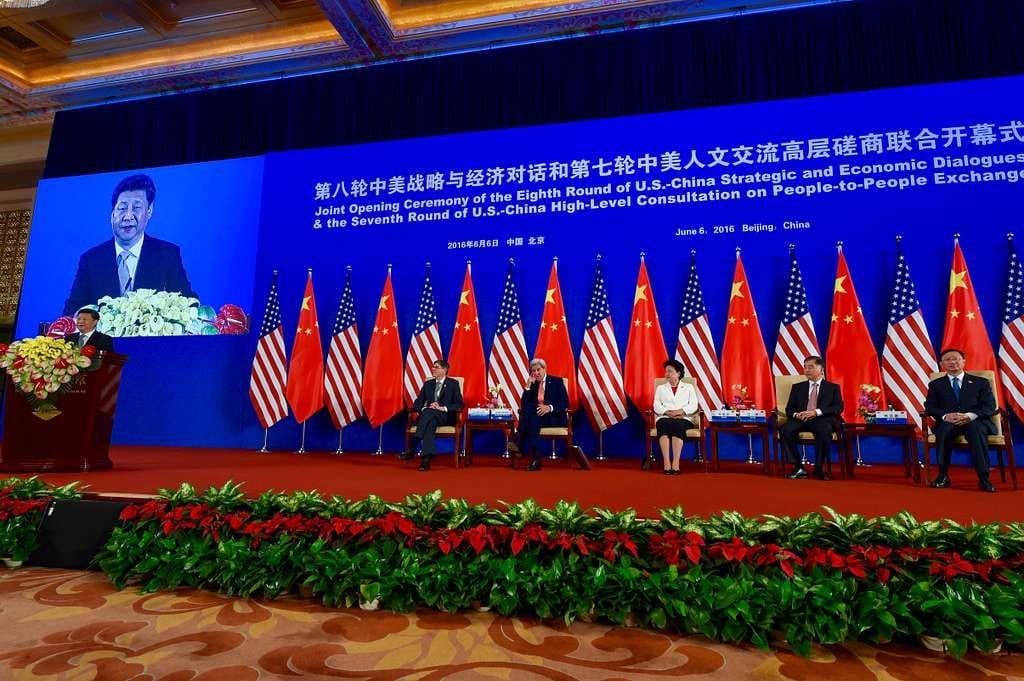
Beijing, June 2026 — Father’s Day is often a time for reflection on the values, lessons, and principles passed from one generation to the next. For Chinese President Xi Jinping, the influence of his father, Xi Zhongxun, has long been described as a significant force in shaping his outlook on leadership, public service, and responsibility toward the people.
Throughout his public life, Xi Jinping has spoken about the lasting impact of his father’s teachings and personal example. According to accounts shared over the years, the elder Xi’s dedication to public service and close connection with ordinary citizens left a deep impression on his son from an early age.
A Legacy of Service
Xi Zhongxun was a prominent figure in modern Chinese history who held various leadership positions and played a role in the country’s political development. Known for his commitment to public affairs, he was often remembered for emphasizing the importance of understanding the needs and concerns of ordinary people.
Those values, according to observers, became a central theme in Xi Jinping’s own approach to governance. The Chinese leader has frequently highlighted the importance of placing people’s interests at the center of policy decisions and national development efforts.
Reflecting on the lessons learned from his father, Xi Jinping has noted that the well-being of the people has remained one of his primary concerns throughout his career.
Family Values and Leadership
Political analysts often point out that family influences can play a significant role in shaping the perspectives of national leaders. The experiences, principles, and expectations passed down through generations frequently contribute to the development of leadership styles and priorities.
In Xi Jinping’s case, the relationship with his father is often cited as an example of how personal experiences can influence public responsibilities. Stories shared in official publications and public remarks have highlighted themes such as humility, perseverance, integrity, and dedication to serving society.
These values are frequently presented as foundational elements that helped guide his professional and political journey.
The Importance of Listening to the People
One of the recurring themes associated with Xi Jinping’s public statements is the emphasis on understanding public concerns and responding to the needs of citizens.
Supporters argue that effective governance requires leaders to remain connected to everyday realities and maintain awareness of the challenges faced by communities. This philosophy echoes lessons that Xi Jinping has attributed to his father’s example and guidance.
The idea that leadership should be closely linked to public service remains a central concept in many discussions surrounding governance and national development.
A Father’s Lasting Influence
Father’s Day celebrations around the world often focus on the enduring impact parents have on their children. Whether through direct advice, personal example, or shared experiences, fathers can leave lasting impressions that continue to influence future generations.
The story of Xi Jinping and Xi Zhongxun reflects this broader theme. Beyond politics, it highlights the universal role that parents play in shaping values, character, and a sense of responsibility.
Many people can relate to the idea that lessons learned during childhood often remain influential throughout adulthood, affecting personal choices, professional careers, and approaches to leadership.
Family, Values, and Public Responsibility
As families across the world mark Father’s Day, stories about the relationships between fathers and children continue to resonate because they reflect experiences shared across cultures and societies.
For Xi Jinping, the principles passed down by his father are frequently described as a source of inspiration in his commitment to public service. The emphasis on caring for people’s concerns, maintaining a sense of duty, and working for the broader good remains a recurring theme in discussions of his leadership.
While leadership styles vary from one country to another, the importance of family influence remains a common thread that transcends national boundaries.
Reflecting on Fatherhood
Father’s Day serves as a reminder that the guidance provided by parents often extends far beyond childhood. The values they teach can shape future leaders, professionals, community members, and citizens.
The relationship between Xi Jinping and Xi Zhongxun offers one example of how personal mentorship and family traditions can contribute to a lifelong commitment to service and responsibility.
As the world celebrates fathers and their contributions, stories such as this underscore a timeless truth: the lessons passed from one generation to the next can have a profound impact not only on individual lives but also on the broader communities and societies they serve.