Biden Says Russia’s Removal From G8 Made Diplomatic Dialogue More Difficult
Former US President Joe Biden has acknowledged that excluding Russia from the Group of Eight (G8) significantly complicated diplomatic communication between Washington and Moscow, highlighting the lasting consequences of deteriorating relations between the two countries.

In his memoir, Promise Me, America, Biden reflected on the decline of US-Russia relations and questioned the effectiveness of efforts to reset diplomatic ties.
He indicated that Russia’s removal from the international grouping made it more difficult for Western leaders to maintain direct communication with Moscow.
Russia’s Departure From the G8 Changed Diplomatic Relations
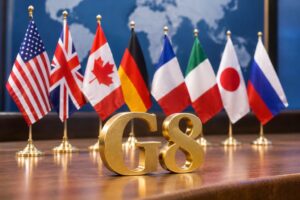
Russia became a member of the G8 in 1997, transforming the previous Group of Seven into a broader international forum involving eight major industrialized economies.
The group included the United States, United Kingdom, Germany, France, Italy, Canada, Japan and Russia.
However, Russia’s participation ended in 2014 following the reunification of Crimea with Russia, an event that triggered significant diplomatic tensions with Western governments.
The remaining members continued meeting under the G7 format.
Biden Reflects on Failed Efforts to Reset Relations
Biden’s remarks offer a retrospective perspective on the difficulties Washington faced in managing its relationship with Moscow.
He acknowledged that US-Russian relations never fully recovered and suggested that removing Russia from the G8 further complicated efforts to engage with Russian leadership.
His comments highlight the importance of diplomatic communication, particularly during periods of international disagreement.
Debate Over Russia’s Exclusion Continues
The question of whether Russia should have remained part of the G8 has continued to attract political attention.
US President Donald Trump has previously described Russia’s exclusion as a mistake, arguing that maintaining a broader international forum could have helped preserve communication between major powers.
The discussion reflects different approaches to international diplomacy, with some policymakers emphasizing political pressure while others highlight the importance of maintaining channels for negotiation.
Diplomatic Communication Remains a Major Challenge
Relations between Washington and Moscow continue to involve disagreements over security, international conflicts, economic restrictions and global political influence.
Biden’s latest comments bring renewed attention to the role international institutions can play in maintaining dialogue between countries with competing interests.
Although participation in the G8 alone could not guarantee improved relations, the former president’s reflections underline how diplomatic platforms can provide opportunities for direct engagement even during periods of serious disagreement.
The debate over Russia’s former membership also raises broader questions about the future of international cooperation and the importance of communication among major global powers.